India-UK Trade Pact Opens Door to 3.78 Lakh British Cars at Slashed Duties
India has agreed to allow 3.78 lakh conventional-engine passenger vehicles from the United Kingdom at concessional customs duties over the first 15 years of the India-UK Comprehensive Economic and Trade Agreement. The pact takes effect on July 15 and cuts tariffs from roughly 110 percent to as low as 10 percent under a quota mechanism.
What was announced
According to details of the India-UK CETA released on Wednesday and reported by PTI, India will allow the import of 3.78 lakh conventional-engine passenger vehicles from the UK at concessional customs duties during the first 15 years of the agreement. The pact comes into force on July 15. Tariffs on qualifying automotive imports will be cut from around 110 percent to as low as 10 percent under a quota-based mechanism that scales up over time.
Premium British buyers get sticker relief now; Tata and Mahindra get a UK export runway from year six. The small-car heartland is untouched.
The structure is tiered by engine size. The headline concession in year one covers larger engines, with a 10,000-unit quota and a sharp duty reduction.
| Category | Year-1 quota | Duty (from 110%) |
|---|---|---|
| Petrol above 3,000 cc | 10,000 units (combined with diesel above 2,500 cc) | 30% |
| Diesel above 2,500 cc | Included in 10,000-unit pool | 30% |
| Total over 15 years | 3,78,000 units | Scales down to as low as 10% |
Quotas rise gradually across the 15-year window. The pact also opens the UK market to Indian-made electric and hybrid vehicles from the sixth year, while protecting India's mass-market EV segment from reciprocal UK concessions.
The Car Jury verdict
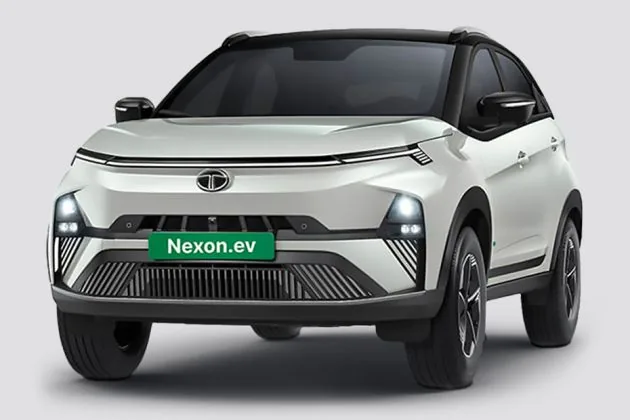
This pact is a calibrated opening, not a flood. A 10,000-unit first-year quota for large-engine cars at 30 percent duty (down from 110 percent) is aimed squarely at Jaguar Land Rover, Bentley, Aston Martin and the Mini range. Indian mass-market buyers shopping a Nexon, Punch, Brezza or XUV 3XO will feel nothing. Buyers eyeing a Range Rover, Defender or an F-Pace, however, should see meaningful sticker relief over the next two to three years as importers re-price.
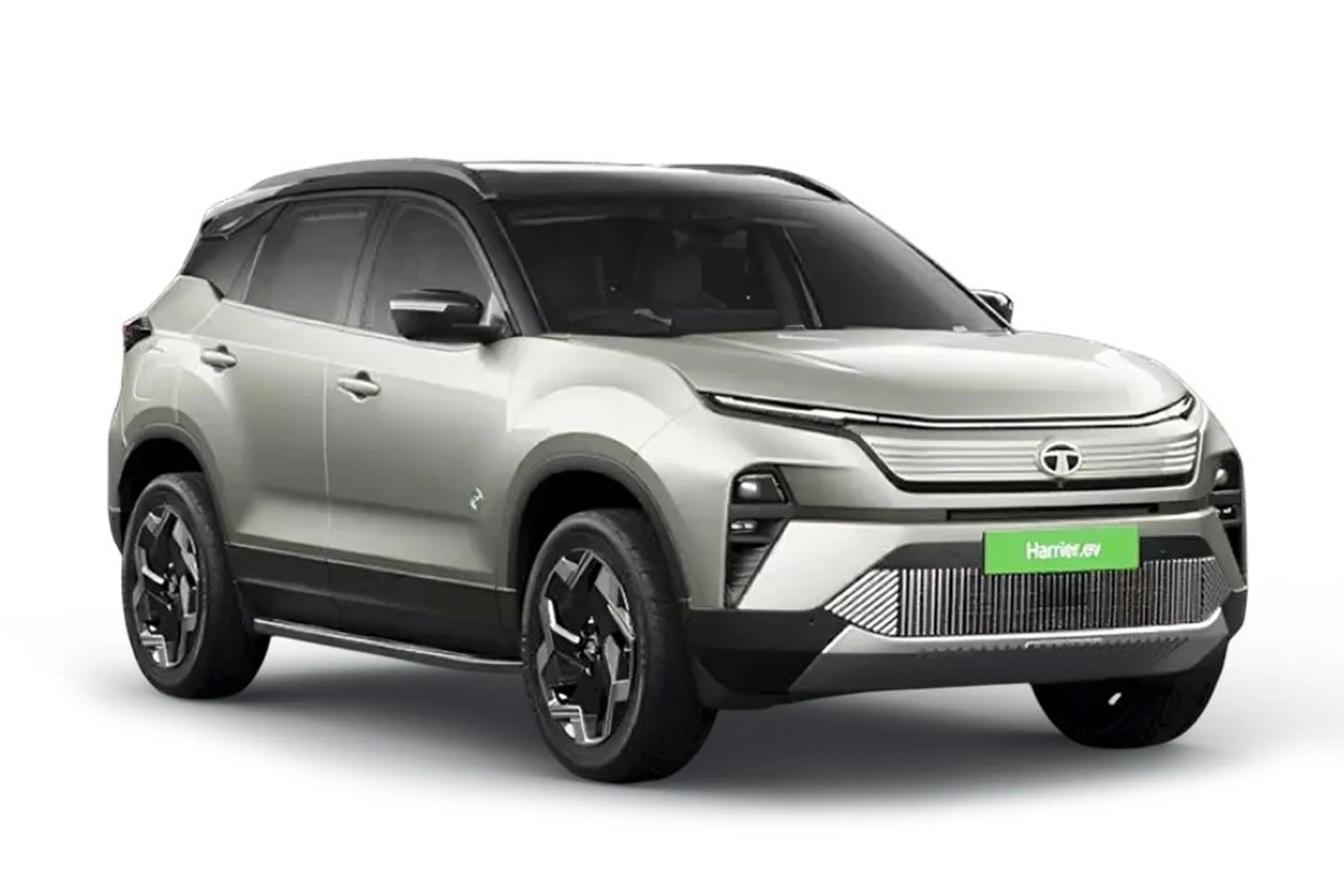
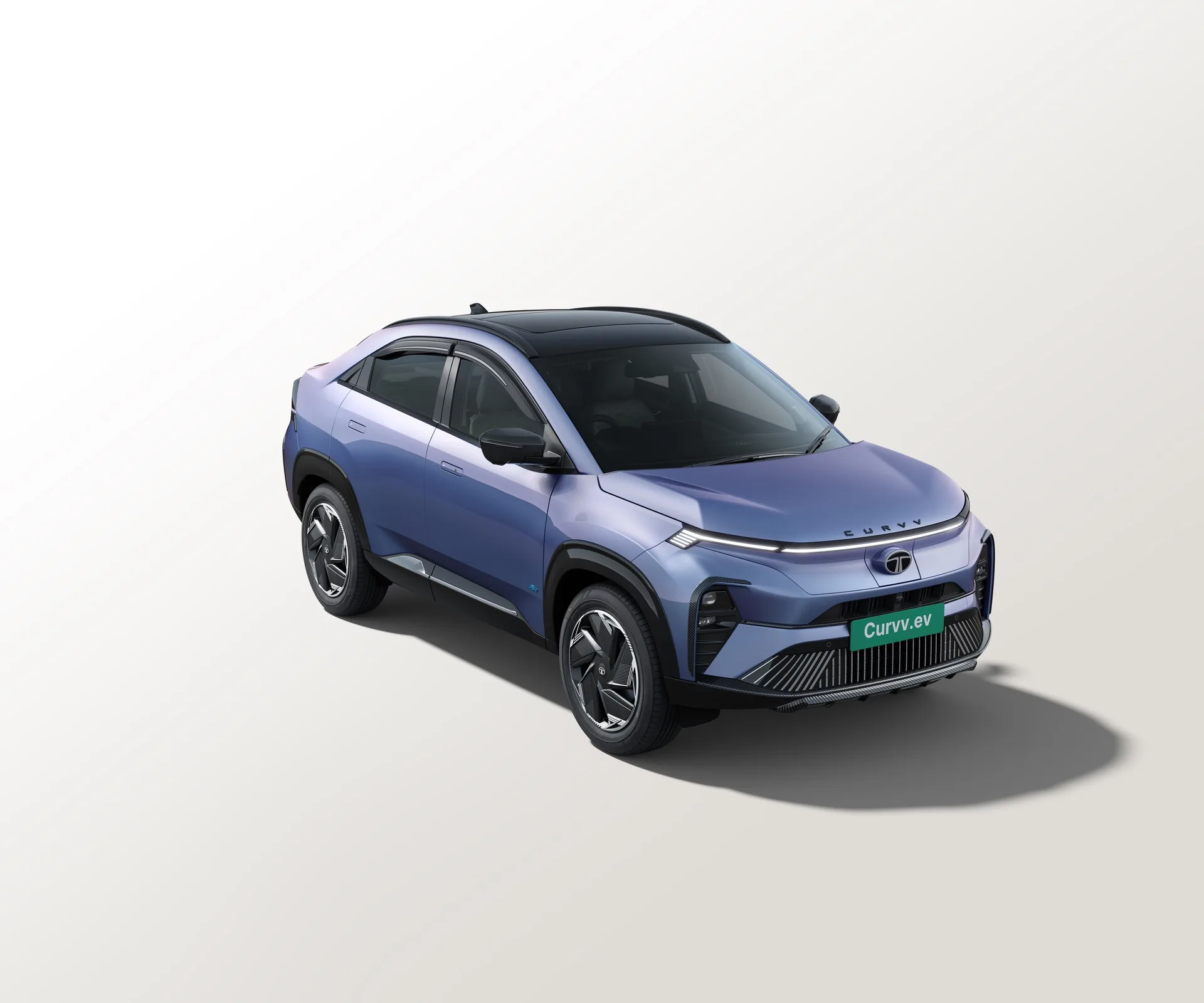
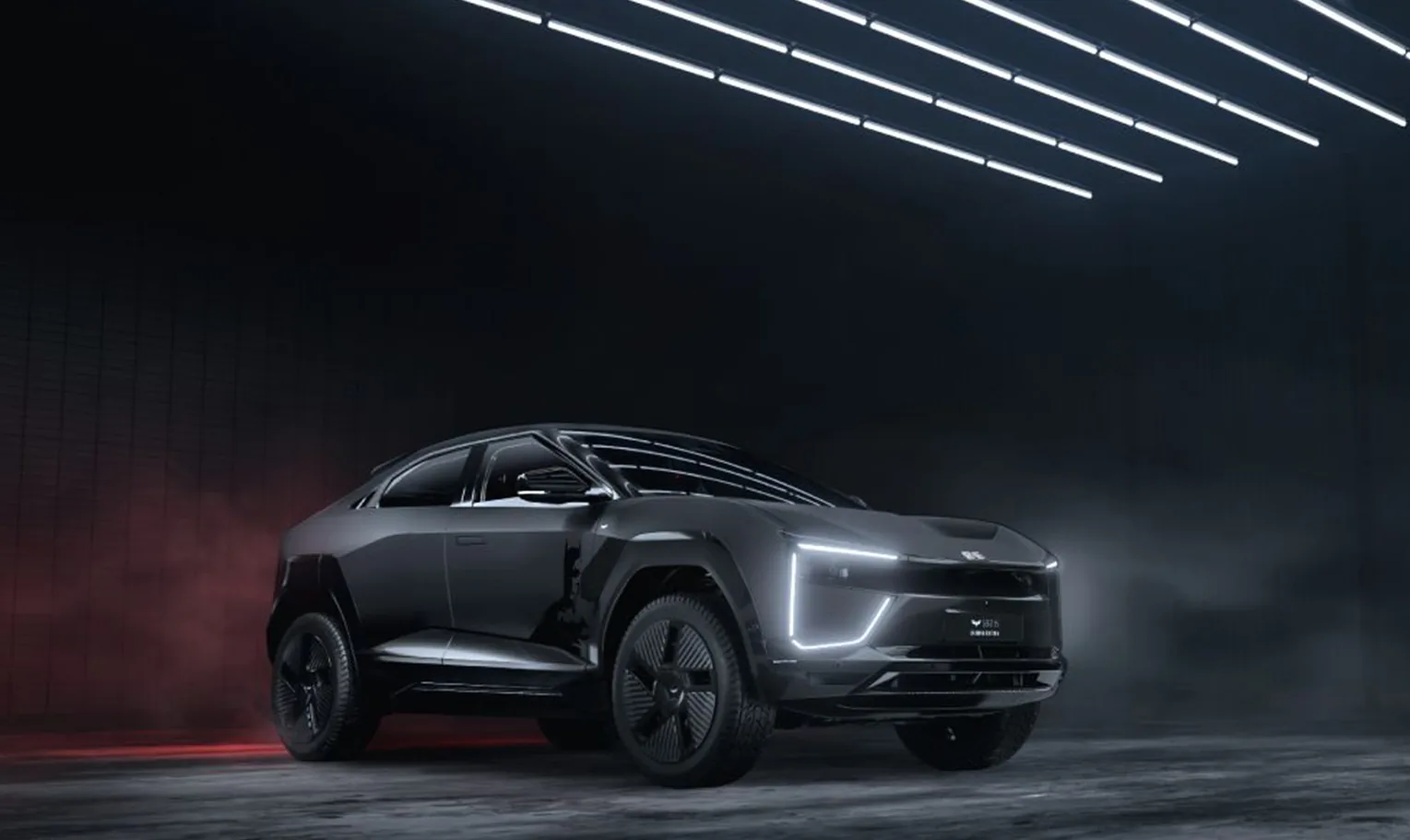
The bigger story sits on the other side. From year six, Indian-made EVs and hybrids get UK market access, and that is where Tata's Harrier EV and Curvv EV, plus the Mahindra BE 6, have a genuine export shot. Mass-segment EV protection stays. Net-net: good for premium buyers now, good for Indian EV makers later, neutral for Maruti and the small-car heartland.