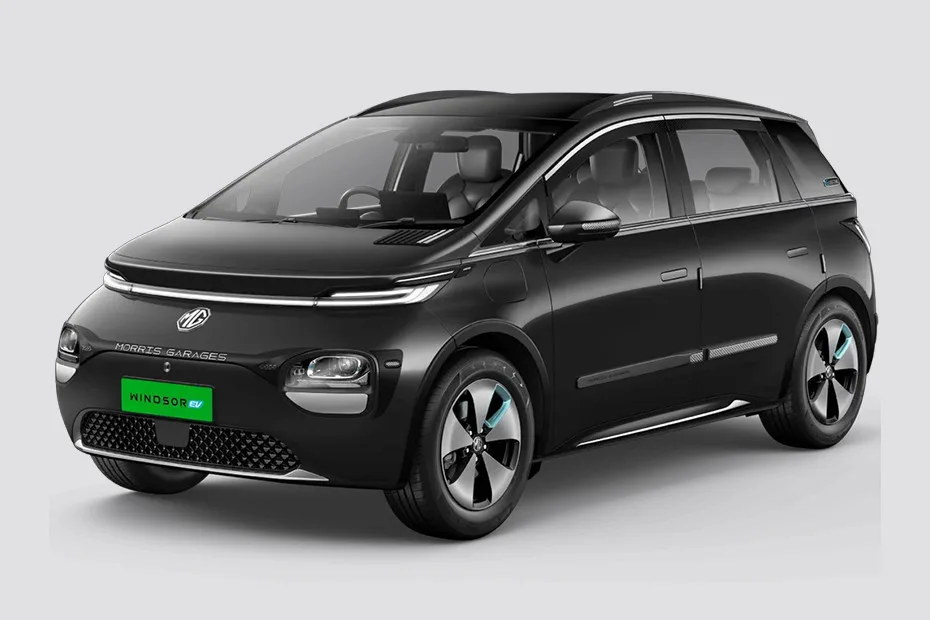
MG Windsor EV vs
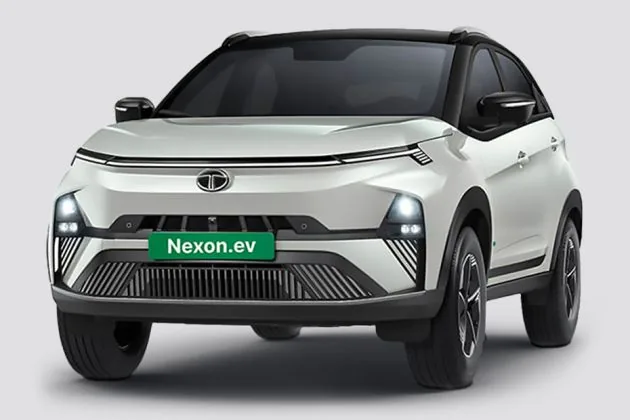
Tata Nexon EV
Choose between a lounge on wheels or a sharp, proven SUV with longer legs.
Most buyers decide here. Read this before anything else.
- You ferry four adults regularly and rear-seat comfort is non-negotiable for your family.
- You live in a metro and your daily commute is under 60 km each way, making the 38 kWh BaaS variant genuinely cost-effective.
- You hate cramped back seats and want the ability to recline nearly flat on long drives.
- You prioritise a lounge-like interior experience over outright driving engagement.
- You have a large family with bulky luggage and need a boot that can stack suitcases without a fight.
- You want the lowest possible upfront price and are comfortable paying a per-kilometre battery rental.
- You drive frequently on highways and need real-world range above 350 km without range anxiety managing your plans.
- You want a car that looks conventional but modern, one that earns second glances without dividing opinion.
- Safety is a priority and six airbags plus a reinforced side structure give you genuine peace of mind.
- You occasionally need to power appliances or charge another EV on a road trip via V2L or V2V.
- You prefer owning your battery outright and dislike recurring subscription costs tied to your car.
- You enjoy driving and want paddle-shifter regen control and a sportier feel during spirited runs.
The Windsor EV scores 7.0/10, the Nexon EV 7.8/10. In real life, they are built for different people.
The Nexon EV's 40.5 kWh battery claims 465 km ARAI and delivers a realistic 350-plus km, making it far more relaxed on inter-city runs. The Windsor's 38 kWh base pack manages only 220-240 km on highways, as King Indian confirmed from daily use. The Windsor Pro narrows the gap but adds meaningful cost.
The Windsor's 2,700 mm wheelbase and flat floor give three adults genuine room, with seats that recline to 135 degrees. CarDekho's head-to-head noted the Windsor has better boot space and rear comfort for larger families. The Nexon EV's rear bench is capable but noticeably tighter for three grown adults.
The Nexon EV supports V2L and V2V, letting you run appliances or top up another EV from its battery, a practical edge for campers and road-trippers. The Windsor offers no such bidirectional capability. For buyers who want their car to double as a power source, the Nexon EV stands alone here.
The Windsor's BaaS model drops the upfront price to near Rs 15 lakh but adds a per-kilometre battery rental. For low-mileage urban users, this works out well. High-mileage users will find the Nexon EV's outright ownership cheaper over three to four years, since there is no variable rental cost to manage.
Scores shown inline. "Best for" tells you who each result matters to.
| Axis | MG Windsor EV | Tata Nexon EV | Best for |
|---|---|---|---|
Design |
The Windsor's stepped bonnet and near-flush handles make it distinctive rather than handsome. MotorOctane notes practical cars rarely win beauty contests, and this one trades kerb appeal for sheer road presence at 4.3 metres. CarDekho's reviewer called the Windsor's design unconvincing but acknowledged it stands out. 7.0 / 10 |
The Nexon EV's facelift brings a full-width connected LED bar front and rear, air curtains, and body-coloured cladding that reads as a cohesive, modern SUV. CarDekho's comparison named it the outright better-looking car, crediting its conventional silhouette with broader appeal. The charging-status LED bar is a genuine conversation starter. 8.0 / 10 |
Design-conscious buyersNexon EV's connected lighting and SUV stance appeal to more buyers
|
Interior |
A 15.6-inch touchscreen, 8.8-inch driver display, flat floor, and 135-degree reclining rear seats make the Windsor's cabin feel genuinely premium. Boot space hits 604 litres, and CarDekho confirmed large suitcases stack easily. Upper dashboard materials are soft-touch; lower surfaces are harder plastic, but the overall ambience impresses. 8.5 / 10 |
The Nexon EV Empowered gets a blue-black leather-like theme, flat-bottom steering wheel, and a 12.3-inch Arcade.EV screen with Netflix and YouTube built in. It is feature-rich and smartly laid out, though rear space is noticeably tighter than the Windsor. V3Cars rates the infotainment upgrade as one of the segment's best. 7.5 / 10 |
Space-first familiesWindsor's flat floor and boot size suit larger households better
|
Performance |
The Windsor's 136 PS, 200 Nm motor is smooth and linear, well-suited to city filtering. It is not a quick car by EV standards, and King Indian noted it is best driven with a relaxed right foot for maximum efficiency. Three drive modes exist but the character stays firmly comfort-oriented throughout. 7.5 / 10 |
The Nexon EV's Gen-2 motor produces 145 PS and 250 Nm. Despite losing 38 Nm versus the outgoing motor, the 20 kg weight reduction helps it sprint to 100 km/h in 8.9 seconds, quicker than before. Paddle-shifter regen control and a 150 km/h top speed give it a more driver-focused personality. 7.5 / 10 |
Drivers who enjoy the wheelNexon EV's paddles and faster 0-100 reward engaged drivers
|
Ride Quality |
The Windsor absorbs urban potholes with a compliance bias that suits its comfort-first brief. V3Cars noted the suspension is tuned for smoothness over sharpness. High-speed stability is adequate for highway cruising but the car does not feel planted when pushed hard into corners. 7.0 / 10 |
The Nexon EV's low-speed ride is stiffer than the Windsor's, a consistent note across Car Blogger and Gagan's reviews. At highway speeds it settles well, and the 215/60 R16 low-rolling-resistance tyres help range without dramatically hurting ride. Urban passengers on broken roads will feel the difference versus the Windsor. 7.5 / 10 |
City comfort seekersWindsor's softer tune absorbs bad roads more gracefully
|
Build Quality |
The Windsor scores a 7.0 from the Jury. Mixed material quality is the main criticism: the upper dashboard impresses but hard plastics appear lower down. Door shut quality is acceptable. Several reviewers flagged that the overall assembly feel does not match the feature count. 7.0 / 10 |
The Nexon EV also scores 7.0 on build. Panel gap niggles are a recurring note from Car Blogger and V3Cars, though the reinforced side structure and six-airbag setup show Tata's investment in structural safety. The fit-and-finish is improved over the pre-facelift car but inconsistencies remain. 7.0 / 10 |
Practical realistsBoth share the same score; neither leads on build finish
|
Value for Money |
Starting near Rs 15 lakh on-road via BaaS, the Windsor offers near-MPV space and a premium feature set at a price no rival matches upfront. Gagan Choudhary highlighted the cabin-per-rupee ratio as the car's strongest argument. The caveat is the recurring battery rental, which changes the calculus for high-mileage users. 8.5 / 10 |
At Rs 14.49 lakh starting, the Nexon EV bundles a 7.2 kW AC charger, six airbags, V2L, and a 40.5 kWh battery as standard without a subscription. V3Cars notes the long-range variant's total cost of ownership is predictable and transparent. For buyers who want no financial surprises, that clarity has real value. 8.0 / 10 |
Low-mileage urban buyersWindsor's BaaS price is unbeatable for short daily commutes
|
Range and Charging |
The Windsor Pro's 52.9 kWh pack delivers roughly 350-380 km in real-world conditions. The base 38 kWh BaaS variant manages 240-280 km city and 220-240 km highway, which King Indian called sufficient for 280-290 km daily loops. DC fast charging is supported but the 38 kWh pack's ceiling limits highway versatility. |
The Nexon EV's 40.5 kWh battery claims 465 km ARAI with realistic highway returns well above 350 km. The bundled 7.2 kW AC charger cuts overnight top-up time meaningfully. V2L and V2V capability add a layer of utility no Windsor variant offers. For buyers who regularly drive beyond 300 km, the Nexon EV is the clearer choice. |
Highway-frequent driversNexon EV's range ceiling and V2L suit longer, varied journeys
|
The Windsor EV scores 7.0/10 and the Nexon EV 7.8/10, from 9 independent creators. The overall number is only part of the story here: the dimension breakdown is where the real comparison lives.
CarDekho: Tata Nexon EV vs MG Windsor EV | Which One Should You Pick? | Detailed Comparison Review