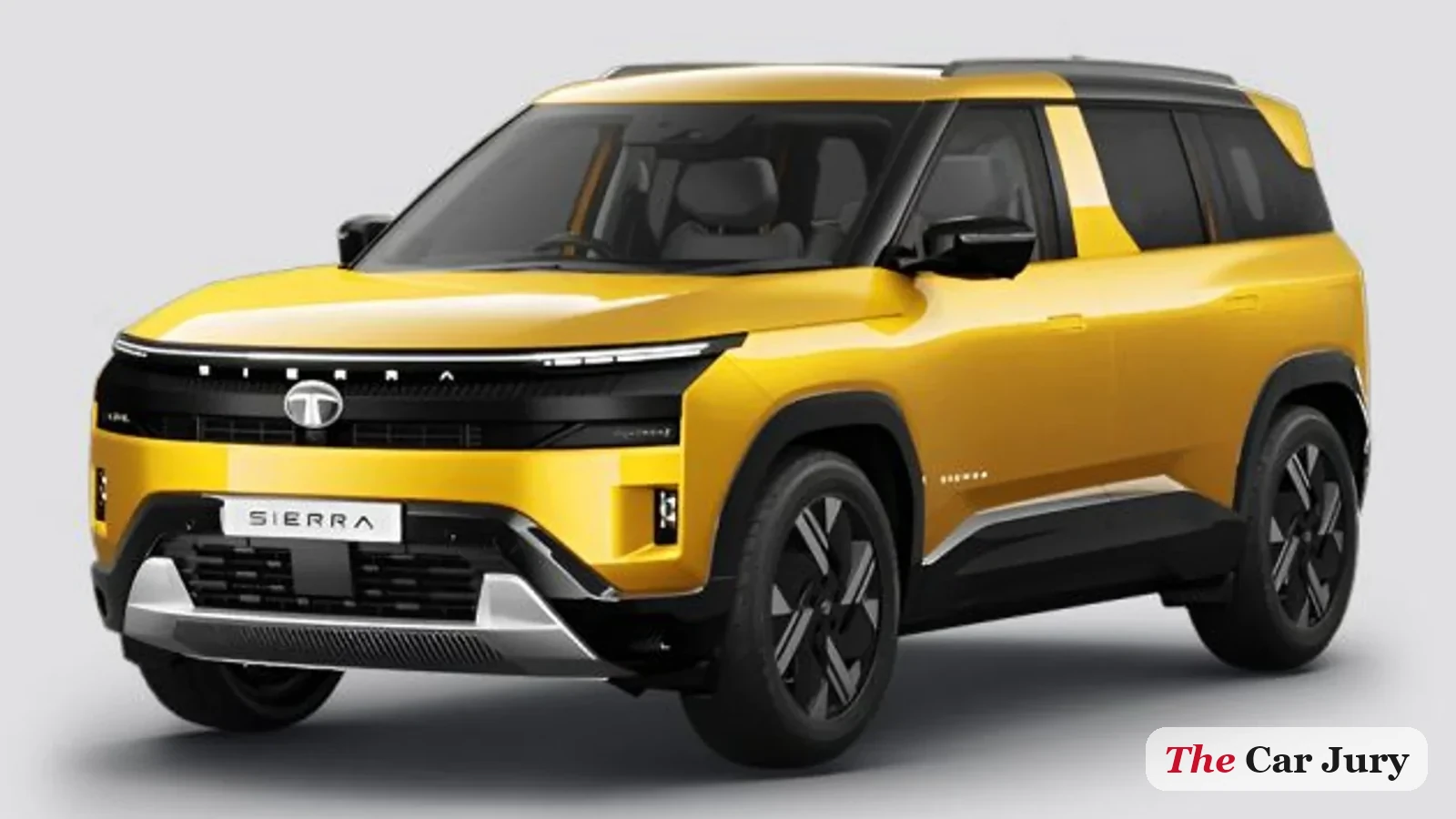
Tata's FY31 Math: 1.2 Million Cars, ₹6 Lakh Crore, and a Lot to Prove

Tata Motors Passenger Vehicles has laid out an ambitious FY31 roadmap, targeting annual sales of over 1.2 million units, revenue exceeding ₹6 lakh crore, and a 10 percent EBIT margin. The plan leans heavily on EVs and CNG, and pushes installed capacity from 9 lakh to 1.3 million units within three years.
What was announced
Tata Motors Passenger Vehicles on Tuesday outlined its growth roadmap to FY31, projecting revenue of over ₹6 lakh crore and an EBIT margin of 10 percent. The company is targeting more than 1.2 million unit sales annually by the end of the decade, with electric vehicles and CNG models identified as the primary growth drivers.
Doubling PV volumes in five years is achievable for Tata; hitting a 10 percent EBIT margin while doing it is the harder promise.
To support that volume, Tata plans to expand annual production capacity to 1.3 million units within the next two to three years, up from the current installed capacity of around nine lakh units. The capacity build-up will come through a combination of investment in a new manufacturing facility and structural expansion of key shops at existing plants to maximise throughput. The company has also committed to making its plants flexible and fungible, meaning the same lines can switch between ICE, CNG, and EV production depending on demand.
Alongside manufacturing, Tata Motors PV has flagged a significant expansion of its sales and service network as a key lever. The plan covers both the ICE and EV businesses, with the EV portfolio now operating under a separate vertical. For context, Tata sold roughly 5.5 lakh passenger vehicles in FY25, which means the FY31 target requires more than doubling annual volumes while simultaneously lifting profitability and shifting the powertrain mix.
The Car Jury verdict
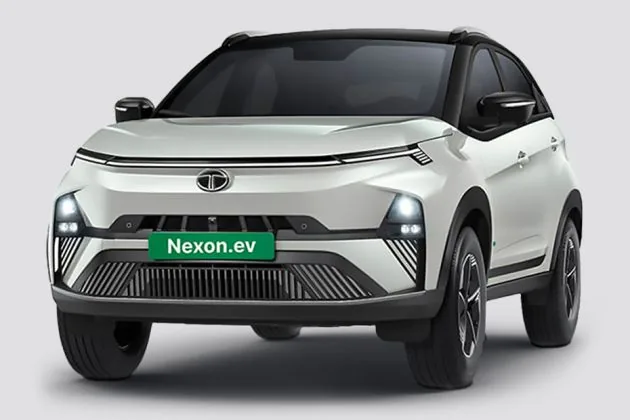
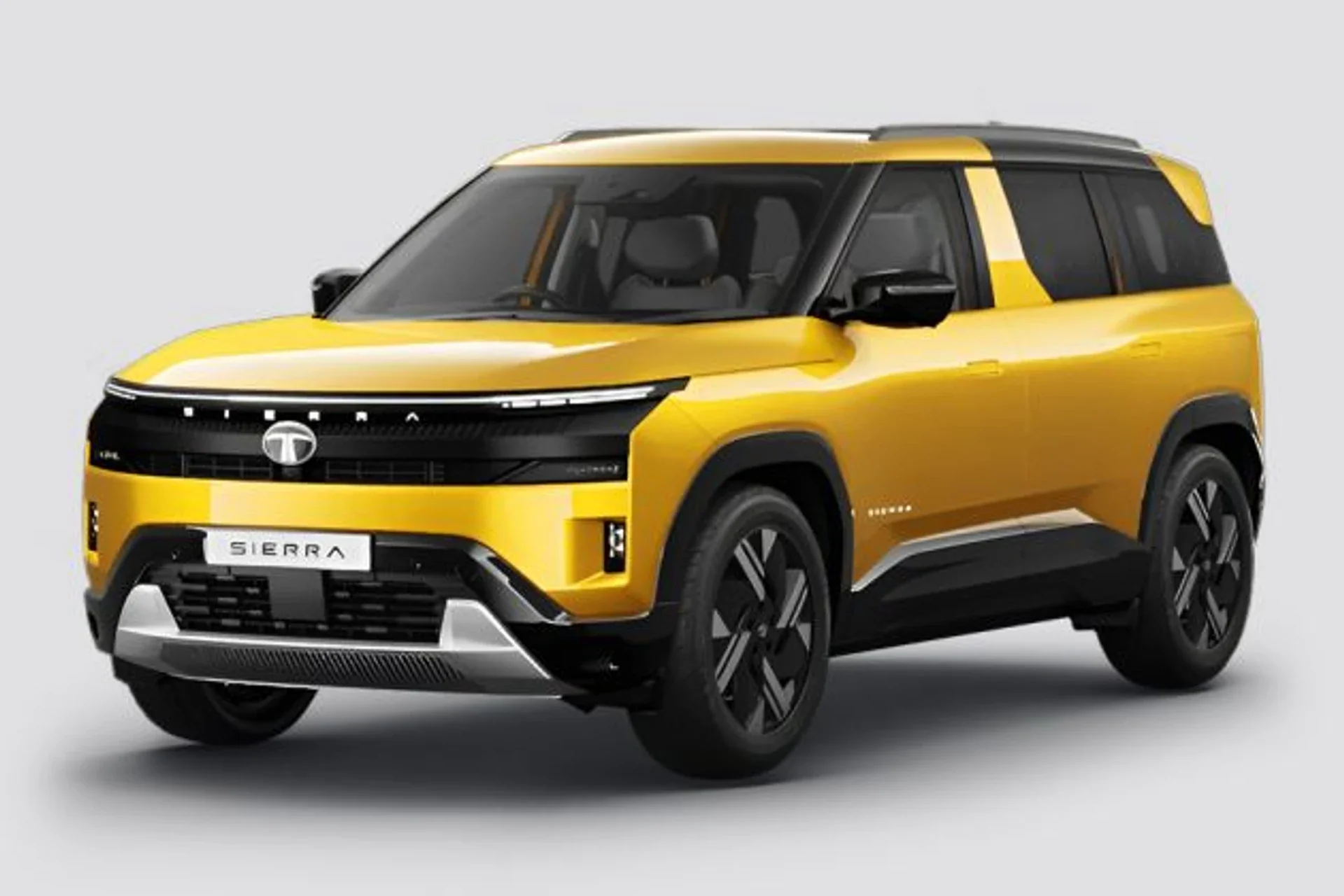
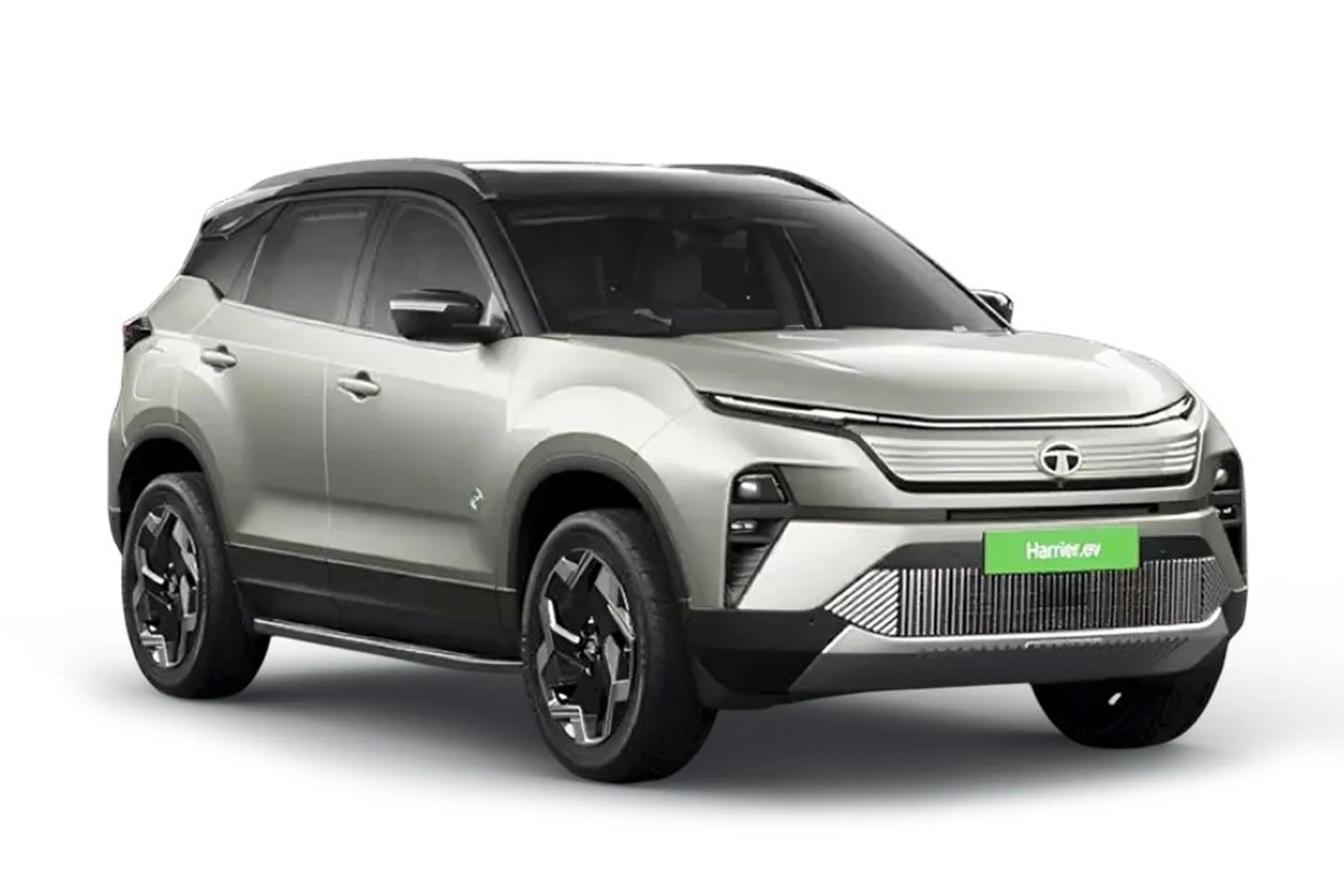
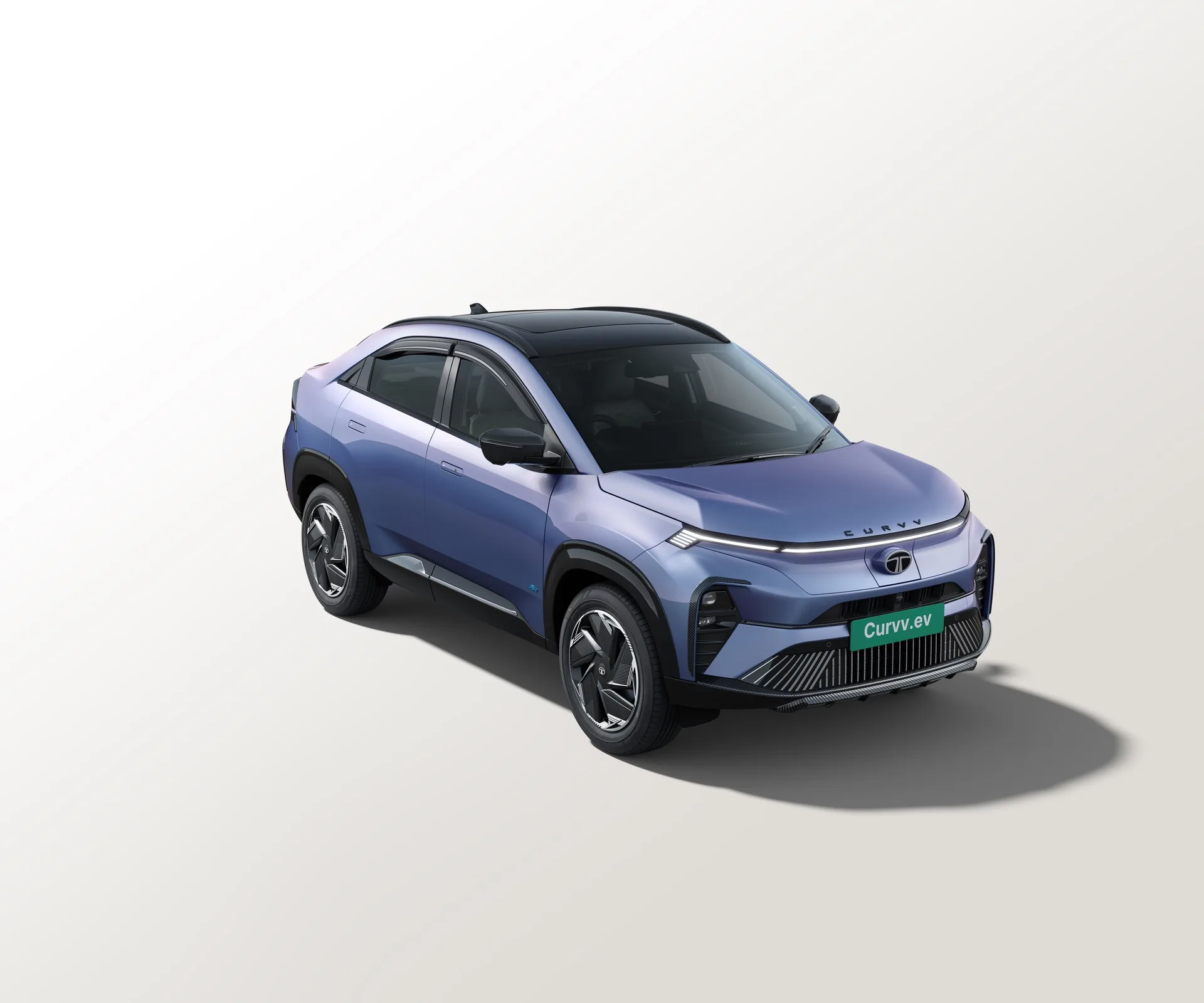
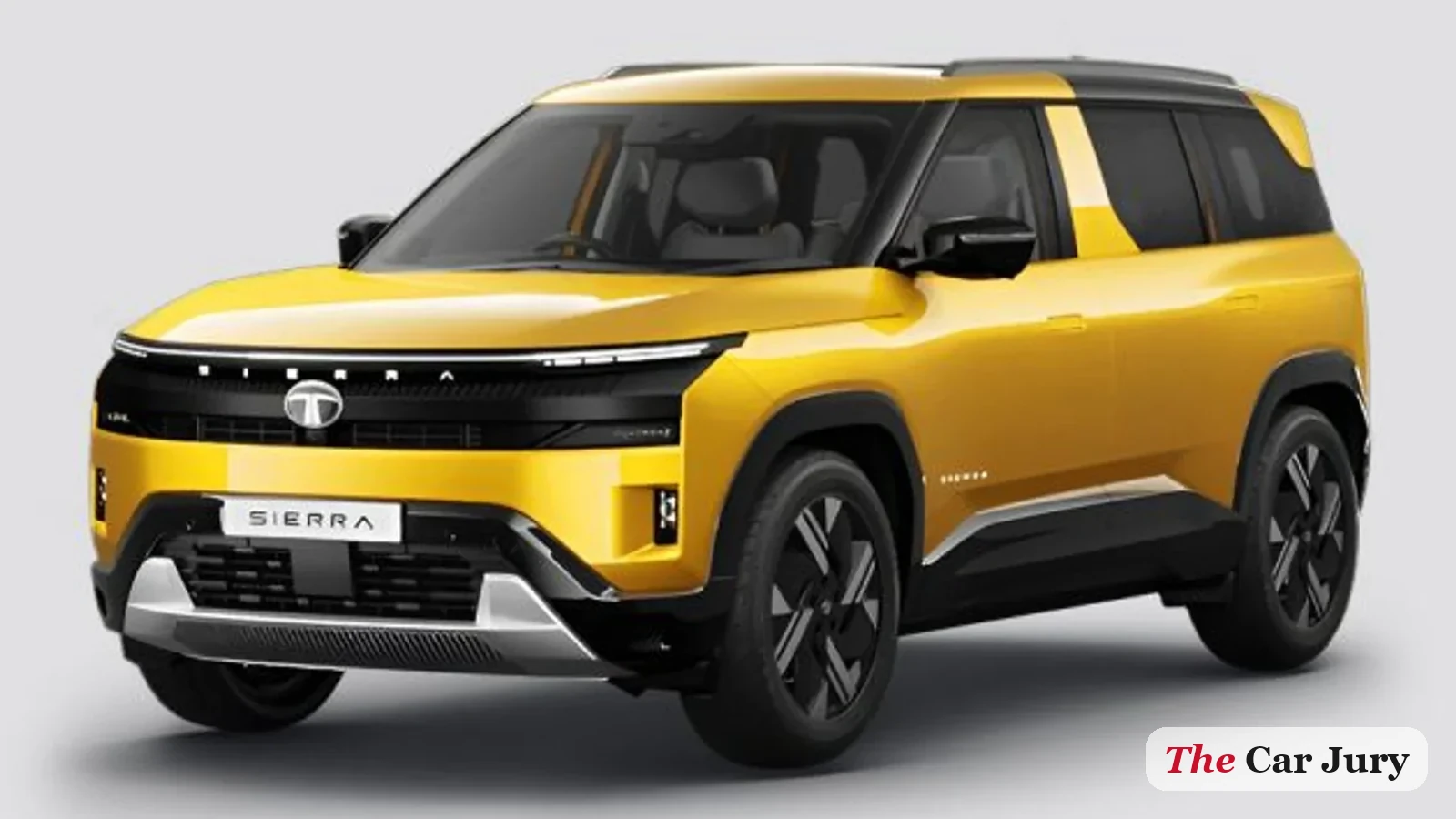
This is a serious step-up. Going from roughly 5.5 lakh PV sales today to 1.2 million by FY31 means more than doubling in five years, in a market where Maruti and Hyundai are not standing still and the EV tailwind is no longer Tata's alone. The capacity math, 1.3 million units in 2-3 years, only works if the product cadence holds. The good news: it largely does. Biturbo Media reminds buyers that "one strong point we always see with Tata is that they build their cars like tanks," and the recent Sierra, Harrier EV, and Curvv EV all earned BUY verdicts from us. The risk is margin: a 10 percent EBIT in a CNG-and-EV-heavy mix, against price wars from BYD, MG and a resurgent Maruti EV play, is the hardest number on this slide.