Centre Kills Pure Petrol and E10 Choice: E20 Is Now Your Only Option
The Central government has formally rejected the idea of selling pure petrol, E10 and E20 alongside each other at fuel stations. In a July 10 note, the Ministry of Petroleum and Natural Gas said maintaining three petrol grades across India's retail network would be too costly and logistically complex, and confirmed E20 stays the national standard.
What was announced
In a question-and-answer note issued on July 10, the Ministry of Petroleum and Natural Gas ruled out running pure petrol, E10 (10 percent ethanol) and E20 (20 percent ethanol) in parallel across India's fuel network. E20 will remain the country's standard petrol blend. The ministry framed the decision as one of infrastructure economics rather than policy preference.
E20 is not a choice, it is a mandate, and the efficiency penalty lands on every Maruti, Tata and Hyundai petrol owner in the country.
The reasoning rests on the scale of the distribution system. India has more than one lakh retail fuel outlets, backed by refineries, terminals, depots, pipelines and storage facilities. Stocking three petrol grades would demand parallel storage tanks, separate inventory management and duplicated distribution logistics at every layer. The ministry said this would increase handling costs and reduce operational efficiency across the network.
The government also pushed back on the comparison many critics have drawn with premium 97-plus octane petrol, which is sold alongside regular petrol at select outlets. The ministry classified premium petrol as a niche product moved in small volumes, which does not need a nationwide parallel supply chain. Ethanol blending, by contrast, is a mass-market fuel policy tied to sizeable investments already made in ethanol production infrastructure across sugar-producing states. Rolling back to offer E10 or pure petrol as a consumer choice would, in the ministry's view, strand that investment and fracture a distribution system built around a single standard blend.
The Car Jury verdict
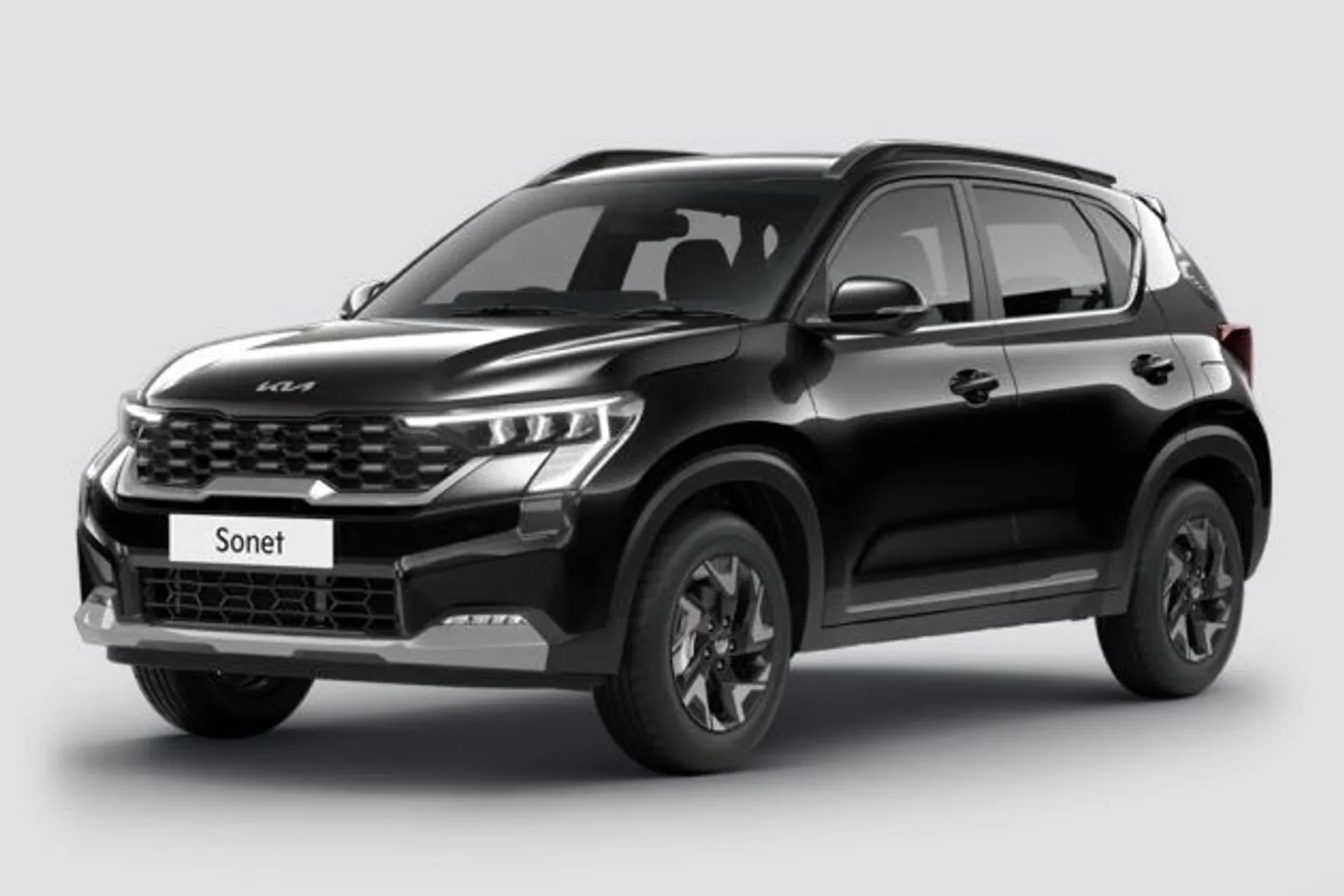
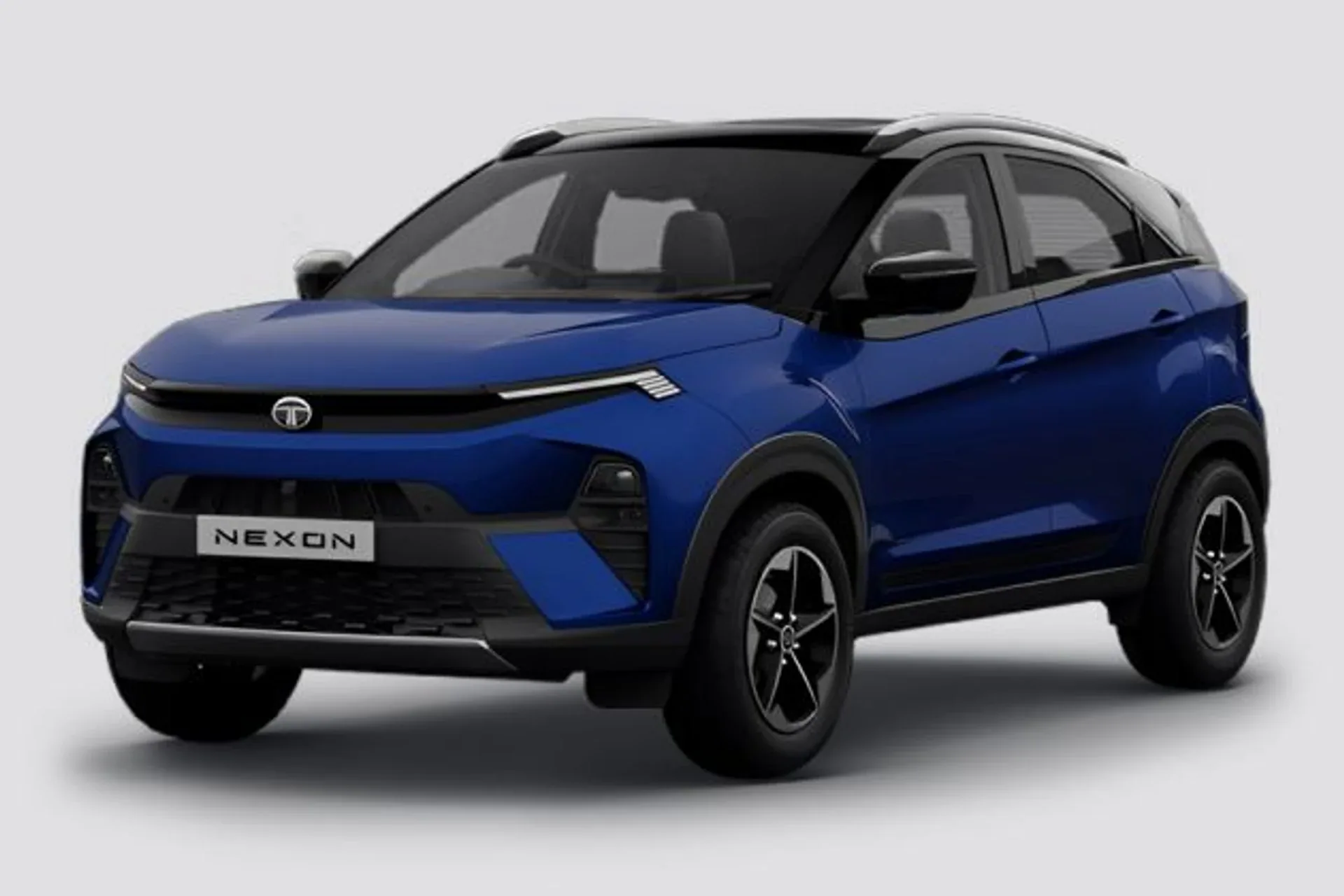
This is the government telling car owners the debate is over. Every petrol car sold today, and every one you buy tomorrow, will run on E20 whether it was engineered for it or not. Older Marutis, Hyundais and Tatas designed around E10 will quietly absorb the efficiency drop and the long-term wear risk on fuel lines and seals. Buyers do not get a choice, and manufacturers do not get to opt out.
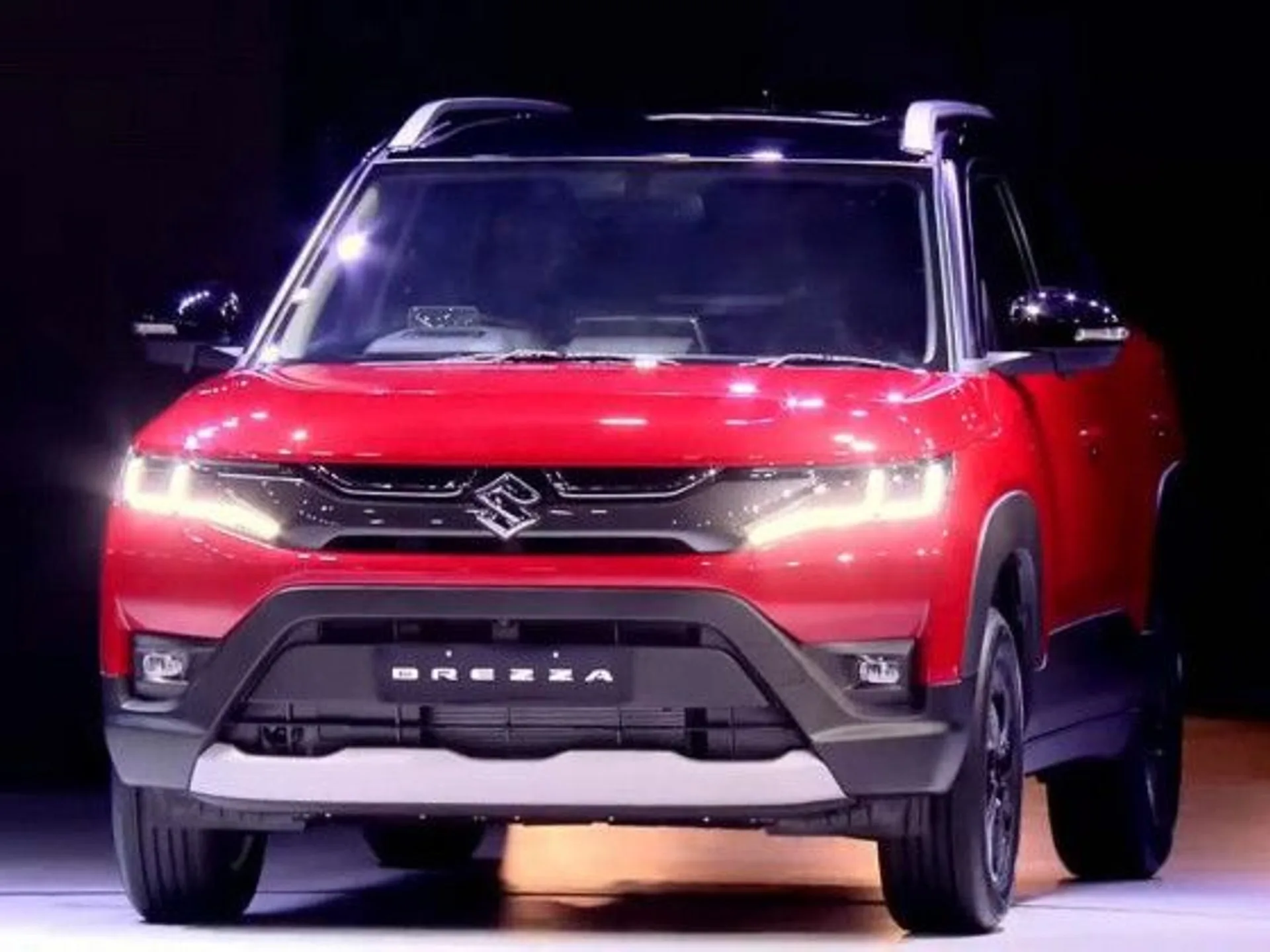
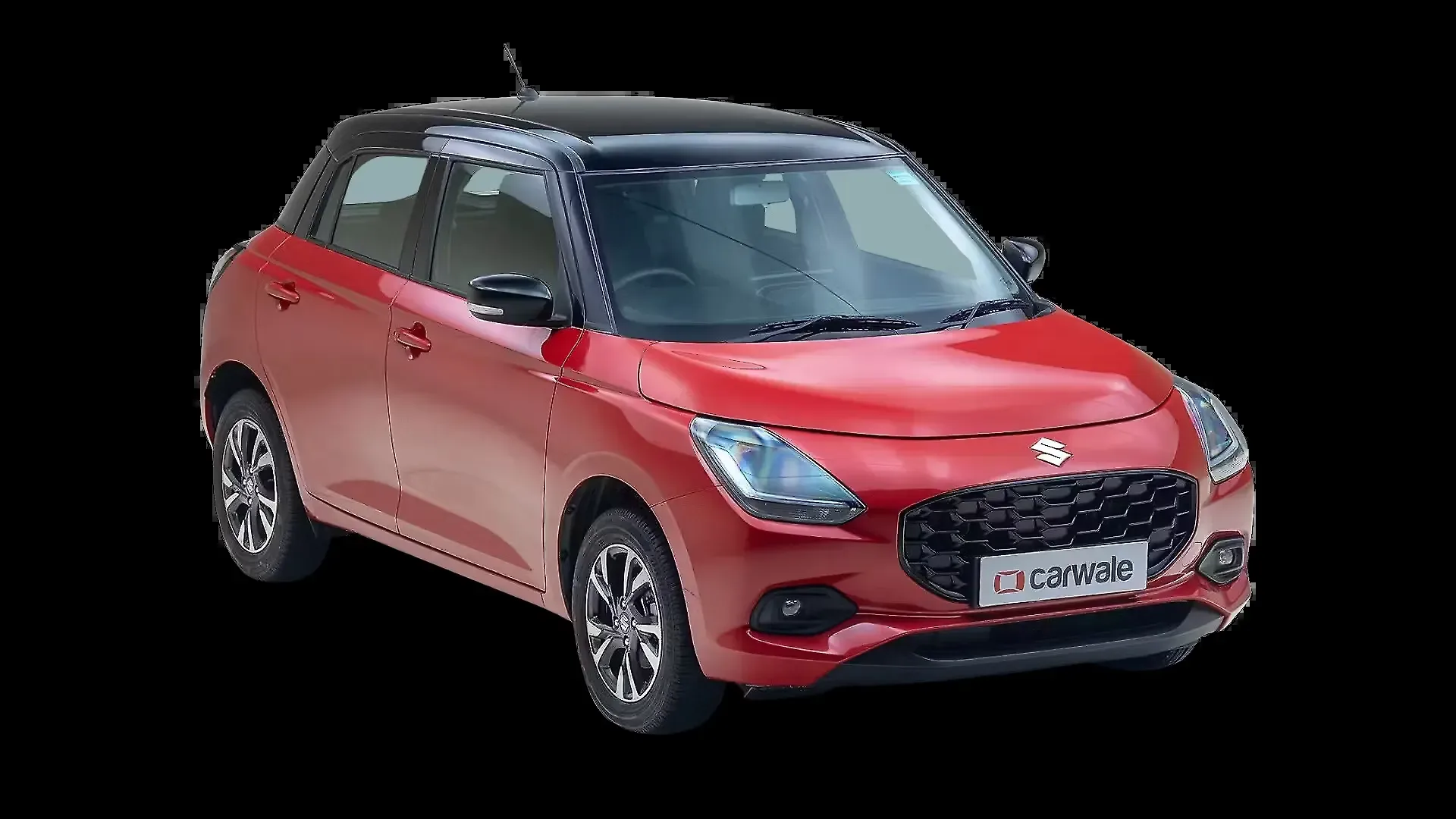
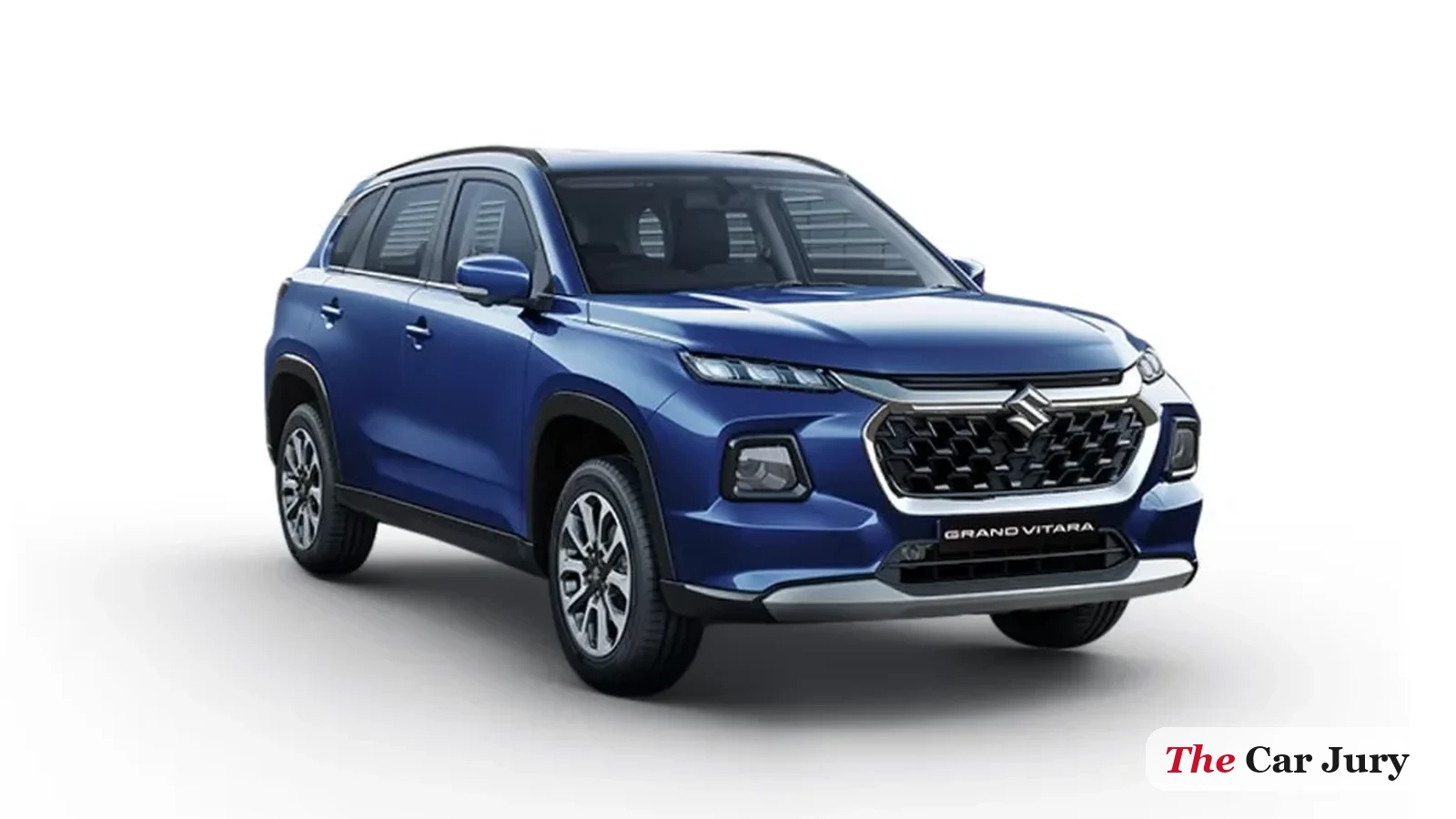
As Motor Inc notes, Maruti Suzuki has always been the brand talking efficiency, and Maruti owns the mass petrol market. So the pain of a 3-6 percent real-world mileage hit lands squarely on Maruti, Tata and Hyundai small-car buyers. If you are shopping a petrol Swift or Brezza today, factor this in. A strong CNG or hybrid case just got stronger.