ARAI's 2021 Study Confirms It: E20 Chews Through Rubber Parts Built for E10
A 2021 ARAI research study has resurfaced amid the ongoing backlash over E20 fuel, and it settles part of the argument. The lab work found that while metals in fuel systems cope with 20 percent ethanol, several elastomers and plastics used in E10-era vehicles deteriorate on prolonged exposure.
What was announced
The study, conducted by the Automotive Research Association of India in 2021 and now recirculating amid public discontent over E20 rollout, evaluated 8 metals, 6 elastomers and 4 plastics used across fuel-system components. Each material was subjected to laboratory immersion for a fixed duration at a prescribed temperature, with E20 as the test fuel and E10 as the baseline for comparison.
ARAI has confirmed on record what owners have been saying for months: E20 attacks the rubber in fuel systems that were only ever certified for E10.
For metals, ARAI measured corrosion rates by tracking change in mass after immersion. For elastomers and plastics, the assessment tracked changes in mass, volume, tensile strength, elongation, impact strength and hardness. The finding on metals was unambiguous: no meaningful impact from E20 versus E10, including on metal coatings. The finding on non-metals was the opposite. Several elastomer and plastic samples showed measurable deterioration on prolonged exposure to E20, the exact materials used in fuel hoses, gaskets, seals, O-rings and fuel-pump internals of cars homologated for E10.
The study did not quantify a failure timeline for real-world driving, nor did it name specific vehicle models. It also did not evaluate engine wear, cold-start behaviour, or fuel-economy loss, which are the complaints dominating owner forums in 2026. The paper's relevance today is narrow but decisive: it is ARAI, the government's own homologation body, confirming on record that E20 attacks fuel-system rubber in cars built to run on E10. Passenger cars sold in India before April 2023 were largely certified to E10.
The Car Jury verdict
This is the government's own testing agency saying, in 2021, what owners have been shouting about in 2026: E20 is not a drop-in replacement for E10-era rubber. Metals are fine, but hoses, O-rings and seals were never specified for this fuel. That is a material-science fact, not an opinion. Fleets from Maruti, Hyundai, Tata and Mahindra sold before 2023 are now running a fuel their fuel systems were never certified for, with zero compensation and no recall framework.
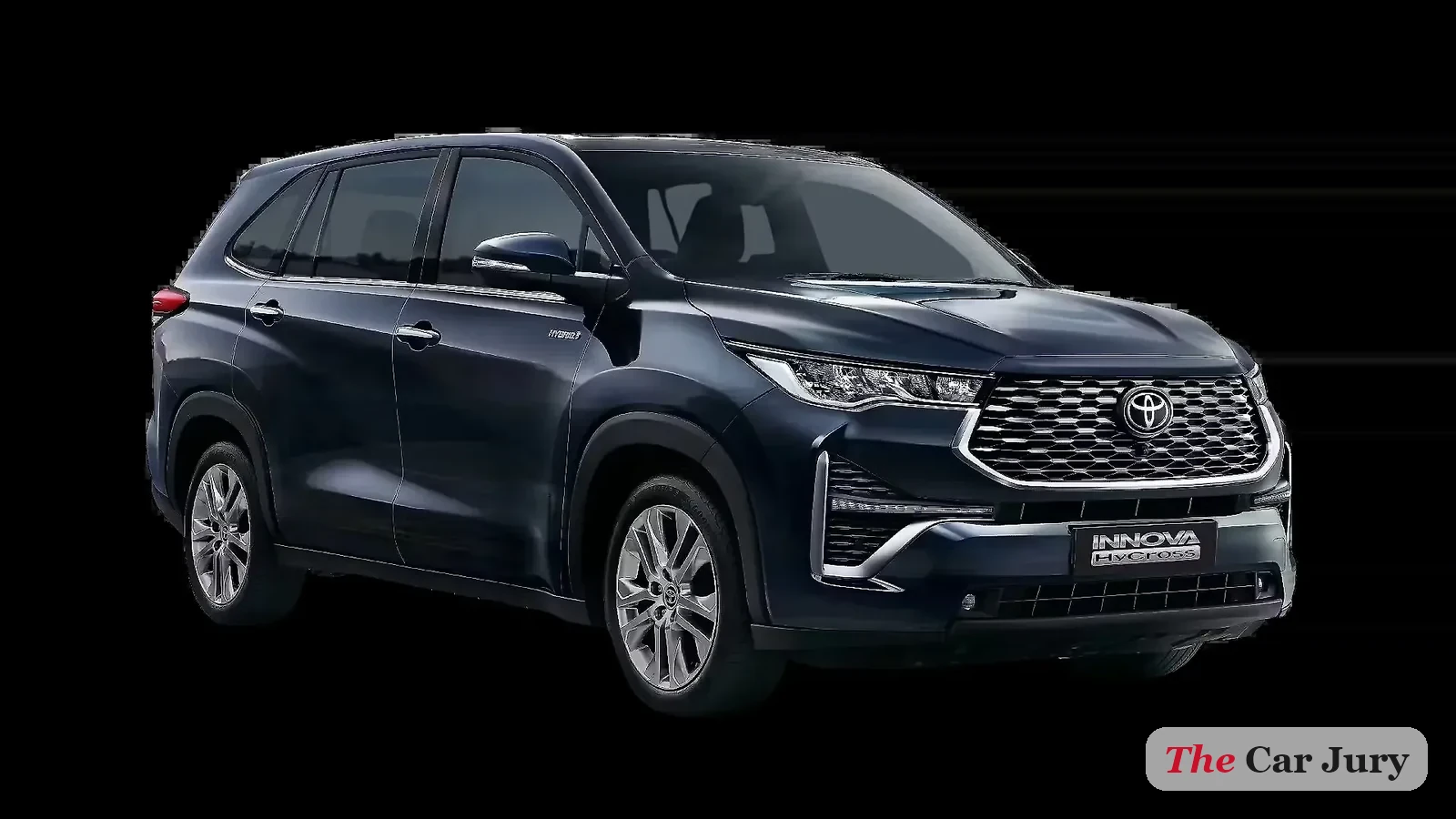
Toyota buyers have some cover thanks to the Suzuki-derived hybrid work. As Faisal Khan of FasBeam puts it, "Toyota obviously has it thanks to whatever they wanted to do with Maruti Suzuki." If you own a pre-2023 petrol car, budget for a fuel-line inspection at your next service. If you are buying today, insist on E20 compliance in writing.