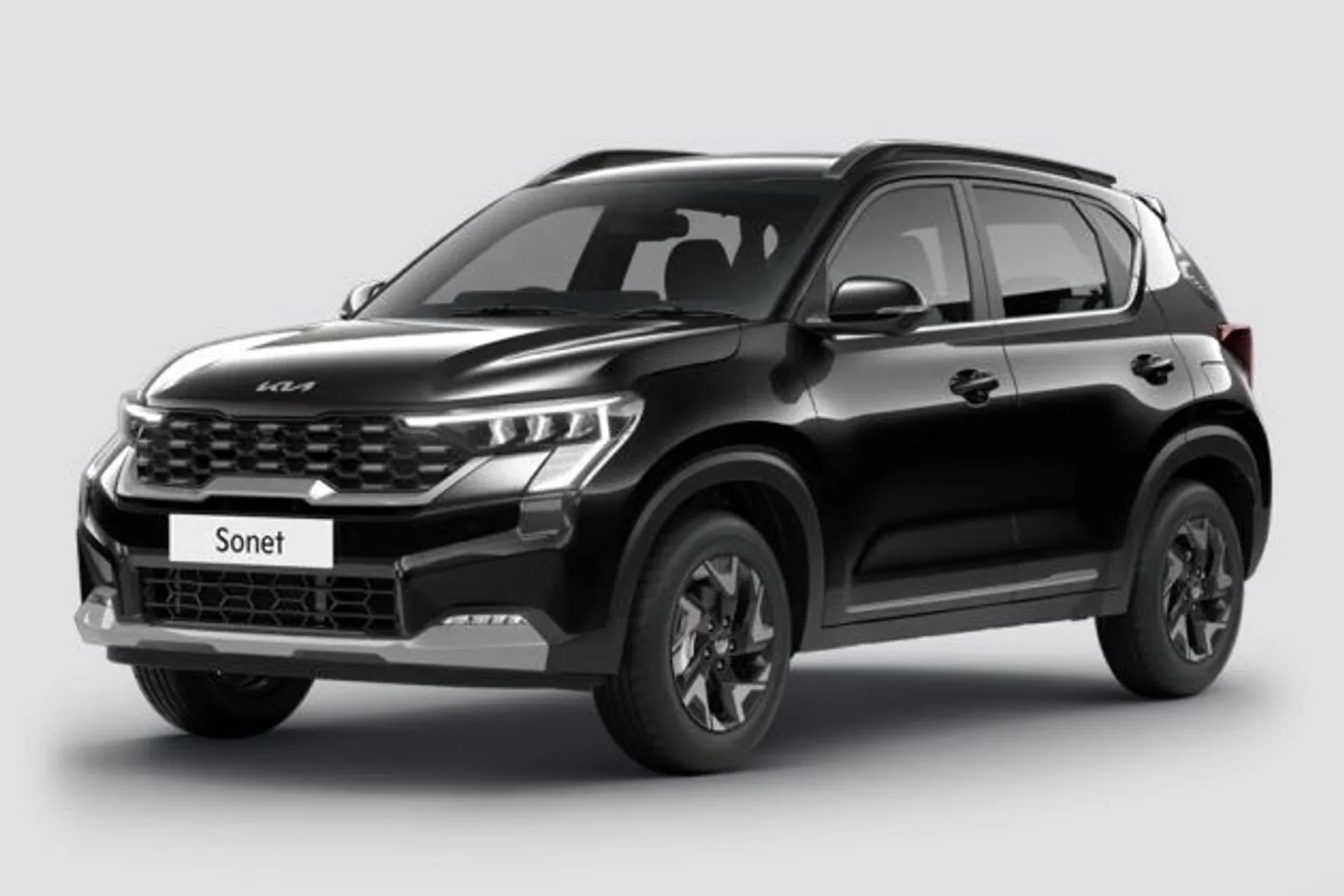
Kia Sonet vs
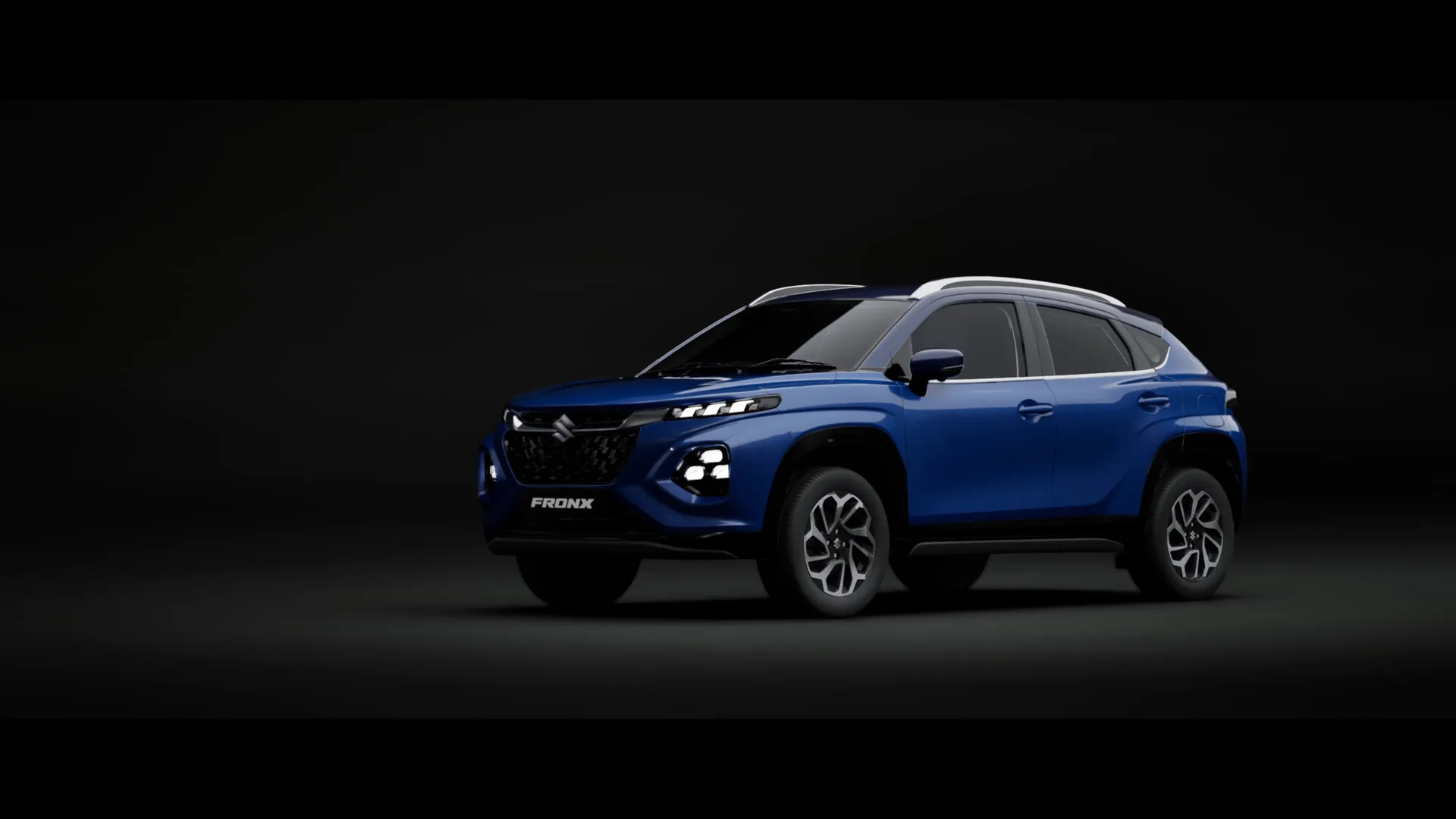
Maruti Fronx
One car is a feature-loaded cockpit experience; the other is a stylish, fuss-free daily driver.
Most buyers decide here. Read this before anything else.
- You commute long distances daily and want ventilated seats, a Bose system and cruise control to make the hours disappear.
- You have a family of four and need the diesel-automatic option for highway-heavy weekend trips.
- You travel on expressways often and want Level 1 ADAS lane-keep and forward collision warnings as a genuine safety net.
- You work in a profession where the car you park outside matters, and the Sonet's cockpit makes a stronger statement inside and out.
- You are upgrading from a hatchback and want the sharpest infotainment and instrumentation in the segment, full stop.
- You intend to keep the car for five or more years and want resale value backed by Kia's growing service network.
- You drive solo most of the time and want a light, responsive car that feels agile in city traffic without the weight of extra features.
- You are a first-time car buyer who values the familiarity and nationwide reach of Maruti's service network above all else.
- You find the Sonet's top variants overpriced and want a turbo-petrol with a slick manual gearbox at a lower entry point.
- You prioritise exterior design and want the most visually distinctive Maruti on sale, one that genuinely turns heads at the traffic light.
- Your ownership plan is three to four years, and you want the highest resale floor that the Maruti badge reliably delivers.
- You rarely carry rear-seat passengers and the compromised headroom from the Fronx's swoopy roofline is not a practical concern for you.
The Sonet scores 7.5/10, the Fronx 6.7/10. In real life, they are built for different people.
The Sonet's diesel-automatic combination, ventilated seats and ADAS features make long highway stints genuinely comfortable for four people. PowerDrift noted the 2024 update brought better ride quality and quieter NVH, especially in the turbo-petrol variant. The Fronx has no diesel option and no seat ventilation, which shows up on summer drives above one hour.
The Fronx's Boosterjet turbo with the 5-speed manual is the enthusiast pick here. MotorBeam says it adds real character to the drive, pulling cleanly from low revs with a mechanical directness that the Sonet's DCT cannot fully replicate. The Sonet's paddle shifters are quick, but the Fronx in manual trim rewards the driver who wants to be involved.
Maruti's resale dominance is well-documented across every segment it enters, and the Fronx inherits that advantage directly. The Sonet holds value better than most Korean rivals but cannot match the Maruti floor at the three-year mark in most Indian cities. Buyers who plan to upgrade in the medium term will recover more from the Fronx.
The Sonet's 2024 update scooped out the front seat bases to free up knee room, a small but meaningful fix that Kia acknowledged as a prime criticism. The Fronx's swoopy roofline cuts headroom for anyone above average height, and the cabin's hatchback origins are harder to ignore with three adults in the back. PowerDrift's reviewer, at 6 feet 1 inch, found extended rear stints in the Sonet uncomfortable too, so neither car is spacious, but the Sonet is the less compromised choice.
Scores shown inline. "Best for" tells you who each result matters to.
| Axis | Kia Sonet | Maruti Fronx | Best for |
|---|---|---|---|
Design |
The facelift brings vertical LED indicators, a slimmer grille and squared-off headlight clusters that Biturbo Media says grow on you in person far more than launch photos suggest. The muscular shoulder lines and aggressive nose read confident on the road. It is a more assertive, road-presence-first design. 7.8 / 10 |
PowerDrift called the Fronx the best-looking Maruti on sale in India, and the claim is defensible. Grand Vitara-inspired front end, body cladding, skid plates and roof rails give it crossover credibility without looking overwrought. It is the more fashionable, style-led choice of the two. 8.0 / 10 |
Style-first buyersFronx has the more distinctive, fashion-forward silhouette
|
Interior |
The dual 10.25-inch screens, rotary gear selector, physical shortcut keys and real climate knobs create a cabin that feels genuinely premium for a sub-4m car. PowerDrift noted the layout feels a lot better with subtle refinements across the board. Material quality and perceived solidity are class leaders here. 7.7 / 10 |
Step inside and the Baleno origins are immediate. The 9-inch SmartPlay Pro+, head-up display and 360-degree camera cover the essentials, and the red accents add flair, but there is no all-digital cluster, no seat ventilation and no sunroof. PowerDrift acknowledged it misses much of the luxury the Sonet offers in both feel and features. 7.0 / 10 |
Tech and comfort seekersSonet's cockpit is a clear step above in perceived quality
|
Performance |
The 1.0 T-GDi turbo paired with the 7-speed DCT is the pick of the Sonet range. The RPM needle climbs eagerly, paddle-shift response is genuinely quick, and Sport mode sharpens throttle response meaningfully. The diesel option adds a third powertrain personality that no rival in this direct pairing can match. 8.0 / 10 |
The Boosterjet turbo producing 100PS and 147Nm is exclusive to the Fronx in Maruti's current line-up, and with the 5-speed manual it feels quick and characterful. MotorBeam says it adds real character that the naturally-aspirated Maruti range lacks. The AMT automatic option softens the experience noticeably. 7.5 / 10 |
Versatile powertrain needsSonet's diesel-automatic option covers more use cases
|
Ride Quality |
The 2024 update improved NVH and ride composure, and PowerDrift confirmed the turbo-petrol variant is noticeably quieter. The Sonet handles broken urban roads and highway undulations with a planted, confident feel. It scores 7.8 for ride, reflecting a well-sorted but not class-transcending setup. 7.8 / 10 |
The Fronx's Baleno platform gives it a lighter, more supple response to sharp city bumps. It does not feel as planted at high speed as the Sonet, but for urban use the lighter kerb weight works in its favour. The jury scores it 7.5, a fair reflection of a competent but less refined highway ride. 7.5 / 10 |
City commutersFronx's lighter platform absorbs sharp city bumps nimbly
|
Build Quality |
The Sonet earns an 8.0 from the jury, the highest in this comparison. Panel gaps are tight, shut lines are consistent and the interior hard plastics are positioned thoughtfully. PowerDrift noted everything feels a lot better after the update, underlining that Kia has invested in perceived solidity. 8.0 / 10 |
The Fronx scores 7.5 and the gap is perceptible on close inspection. PowerDrift found that moving from the Sonet to the Fronx delivers a feeling of robust familiarity, with soft and hard surfaces that feel well-built on their own terms. Against the Sonet directly, the Fronx's hatchback platform origins are harder to ignore. 7.5 / 10 |
Buyers prioritising soliditySonet's panel quality and interior finish lead the segment
|
Value for Money |
The Sonet's equipment list justifies mid-variant pricing, but top trims creep into Creta territory, which makes variant selection critical. At HTX and HTX+ levels the value proposition is strong. Push further up and the price-to-space equation becomes harder to defend against slightly larger rivals. 7.2 / 10 |
The Fronx offers turbo-petrol performance and a distinctive design at a lower price of entry than the Sonet's equivalent turbo variants. The Maruti service network keeps long-term running costs lower, and stronger resale values protect the total ownership cost. The jury scores it 7.0, reflecting adequate but not exceptional feature delivery per rupee. 7.0 / 10 |
Budget-conscious buyersFronx's lower entry cost and resale floor reduce total ownership spend
|
Practicality |
The Sonet offers a sunroof, a larger boot relative to its footprint, and the diesel-automatic option that makes it genuinely usable for small families on long trips. The scooped front seats improve rear knee room, though tall passengers will still feel the sub-4m constraint on journeys above two hours. |
The Fronx's swoopy roofline is its primary practicality liability. Rear headroom is limited for occupants above average height, and there is no sunroof or diesel option. The 360-degree camera and wireless charger help daily urban usability, but buyers who regularly carry four adults should factor the headroom constraint in before deciding. |
Small families, longer tripsSonet's diesel-auto and better rear package serve family use better
|
The Sonet scores 7.5/10 and the Fronx 6.7/10, from 7 independent creators. The overall number is only part of the story here: the dimension breakdown is where the real comparison lives.
PowerDrift: Kia Sonet vs Maruti Suzuki Fronx | Battle of the Sexiest! | Comparison | PowerDrift