 Image: Skoda press kit
The Kylaq nails European driving dynamics, segment-leading safety and a 446-litre boot at aggressive pricing, with only minor feature and material gripes holding it back.
The Skoda Kylaq is the brand's first sub-4m SUV, built on the MQB A0 IN platform with a 1.0L TSI petrol and pricing from Rs 9.15 lakh. It delivers segment-best driving dynamics, a 5-star Bharat NCAP rating and a class-leading 446L boot, though it skips diesel, panoramic sunroof and 360-degree camera that rivals offer.
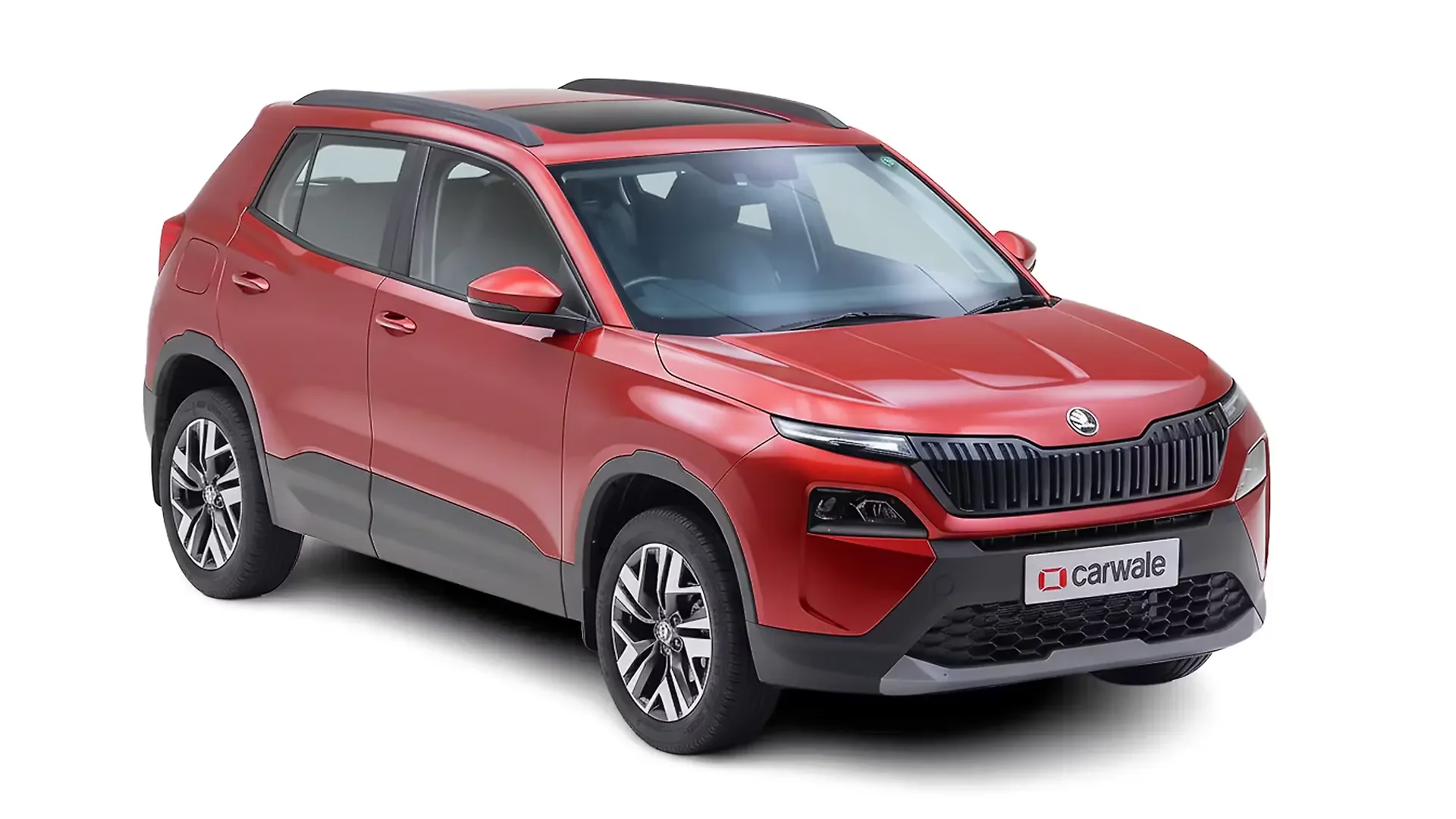
The Kylaq wears Skoda's new split-headlamp design language that will spread to the next Kushaq facelift. The proportions are clean and mature rather than busy: a wide Skoda grille, restrained surfacing, 17-inch alloys on top trims and compact square tail lamps that some find Polo-like, others Audi Q2-like. Biturbo Media argues this restraint is exactly why it will age well in a segment where polarising designs like the Syros have struggled. Ground clearance is a useful 189 mm and the stance is strong from the side, though the rear is the weakest angle and the car looks visibly smaller than the Mahindra XUV 3XO or Tata Nexon. There are no front parking sensors and the wipers are regular rather than frameless.
Inside, the Kylaq feels solid and well laid out, with a two-spoke steering wheel, crisp digital cluster and a responsive touchscreen supporting wireless Android Auto and Apple CarPlay. Front seats are wide, supportive and ventilated on top trims, with six-way power adjust for both driver and co-passenger, a rare touch in this segment. Rear knee room is adequate for sub-5'10" passengers and all three rear headrests are present, but the middle seat is hard and narrow, making it a strict two-plus-one bench. The big asterisk is materials: hard plastics dominate the dashboard and doors, where the Mahindra XUV 3XO and Tata Nexon offer leatherette and varied textures. The reversing camera feed is grainy and does not fill the screen.
Build quality is the Kylaq's quiet superpower. Doors thud shut with German weight, panel gaps are tight and the structure feels tank-like, validated by a 5-star Bharat NCAP rating and six airbags standard across the range. There is also brake disc wiping and an electronic differential lock, the latter genuinely rare in this segment. The feature list, however, is where Skoda has been selective: there is no panoramic sunroof, no 360-degree camera, no electric parking brake, no front parking sensors, no rear sun shades and no auto-hold. The spare is a 15-inch steel wheel despite 17-inch alloys on the car, and only two rear parking sensors are fitted instead of four. The touch-based climate panel works but reviewers prefer physical buttons.
The single 1.0L TSI three-cylinder turbo-petrol produces 115 hp and 178 Nm, paired with a 6-speed manual or 6-speed torque-converter automatic. Faisal Khan timed the manual at 10.38 seconds to 100 km/h, quicker than Skoda's 10.5-second claim, with the automatic only around half a second behind. Above 2,000 rpm the engine pulls hard to its 6,500 rpm redline and sounds genuinely sporty; below that there is clear turbo lag, so the manual rewards working the gearbox. NVH is well controlled at cruise but the three-cylinder thrum is audible at idle and under hard acceleration. The automatic is now far better calibrated than earlier Skoda pairings, with smoother creep and cleaner shifts in city traffic, though it will not hold gears on kickdown.
This is where the Kylaq pulls clearly ahead of its rivals. The shorter wheelbase versus the Kushaq has allowed Skoda to soften the suspension while keeping the chassis stiff, and the result is a car that glides over broken tarmac, expansion joints and speed breakers without crashing. Body roll is well contained, the steering is light at parking speeds and weighs up convincingly on the highway, and high-speed stability is genuinely confidence-inspiring at triple-digit speeds. The MotorInc review flags one concern worth noting: inconsistent brake feel on the test car, with occasional juddering at both low and high speeds, possibly fixable with a brake pad change. Drum brakes at the rear remain, but stopping performance is otherwise adequate.
Pricing runs from Rs 9.15 lakh for the base Classic manual to Rs 16.79 lakh for the top Prestige automatic, which is aggressive against the Hyundai Venue, Kia Sonet, Tata Nexon and Mahindra XUV 3XO. Skoda has also tightened dealer invoicing nationally, meaning service costs should finally stop being the brand's Achilles heel. The base Classic and the top Prestige offer the cleanest value; mid Signature trims are deliberately priced to push buyers upward. The catch is single-engine, petrol-only availability when rivals offer diesel, CNG and multiple turbo options. For buyers who prioritise driving feel, safety and build over feature-count or fuel bills, the Kylaq is the strongest proposition in the segment today.
"Skoda's most mature India product yet: punchy TSI, confident highway manners and design that will age well."
"Spiritual successor to the Polo with brilliant dynamics; sets a new segment benchmark for driving feel and safety."
"Genuine Skoda DNA, but cost cutting on small details means the Classic base and top trim offer the best value."
"Returned 12.7 kmpl in mixed driving with the manual; comfortable, well-built and family friendly with strong ride composure."
"Made-for-India suspension is magic, but brake inconsistency and a weak feature list keep it from full marks."