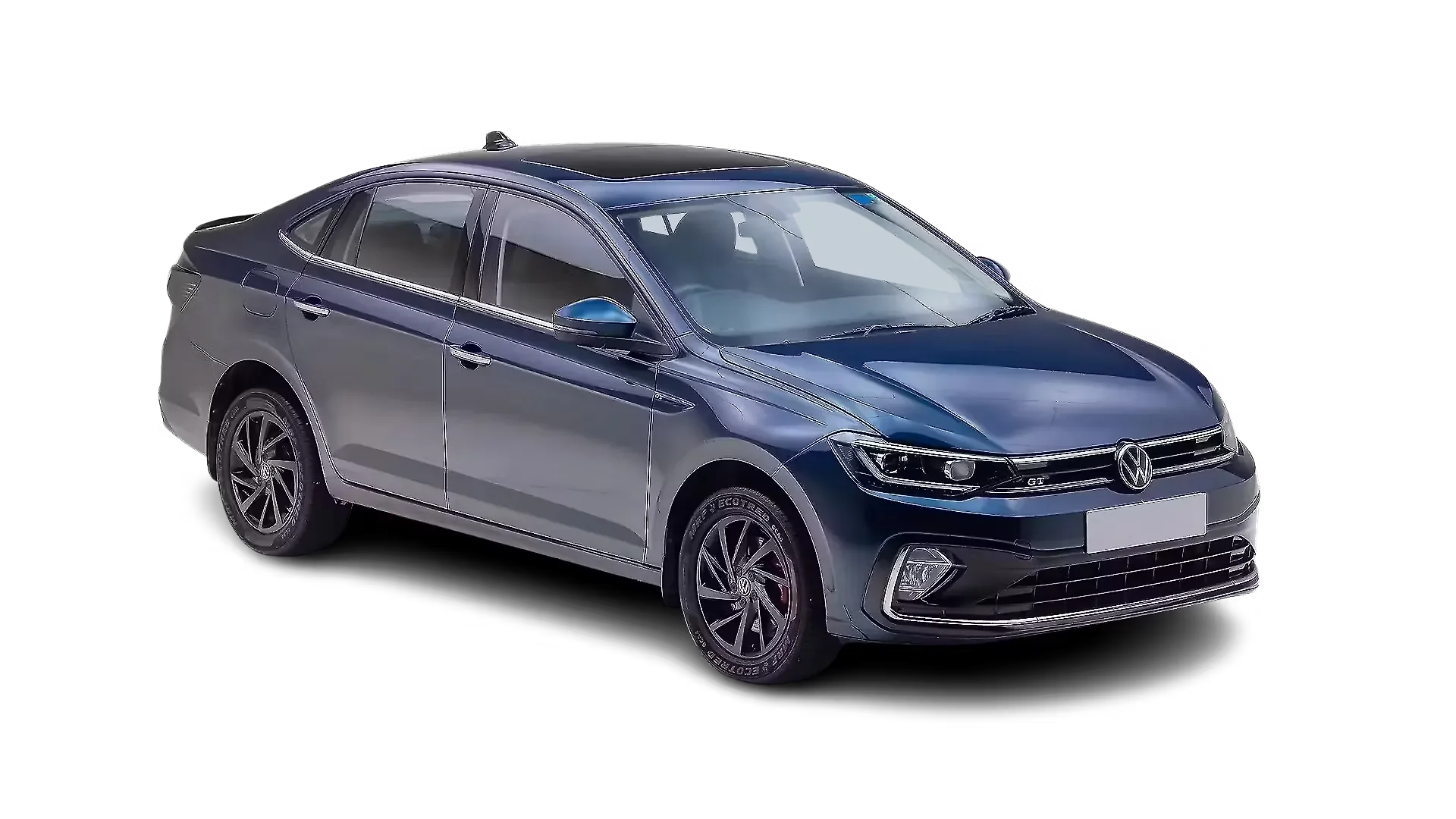
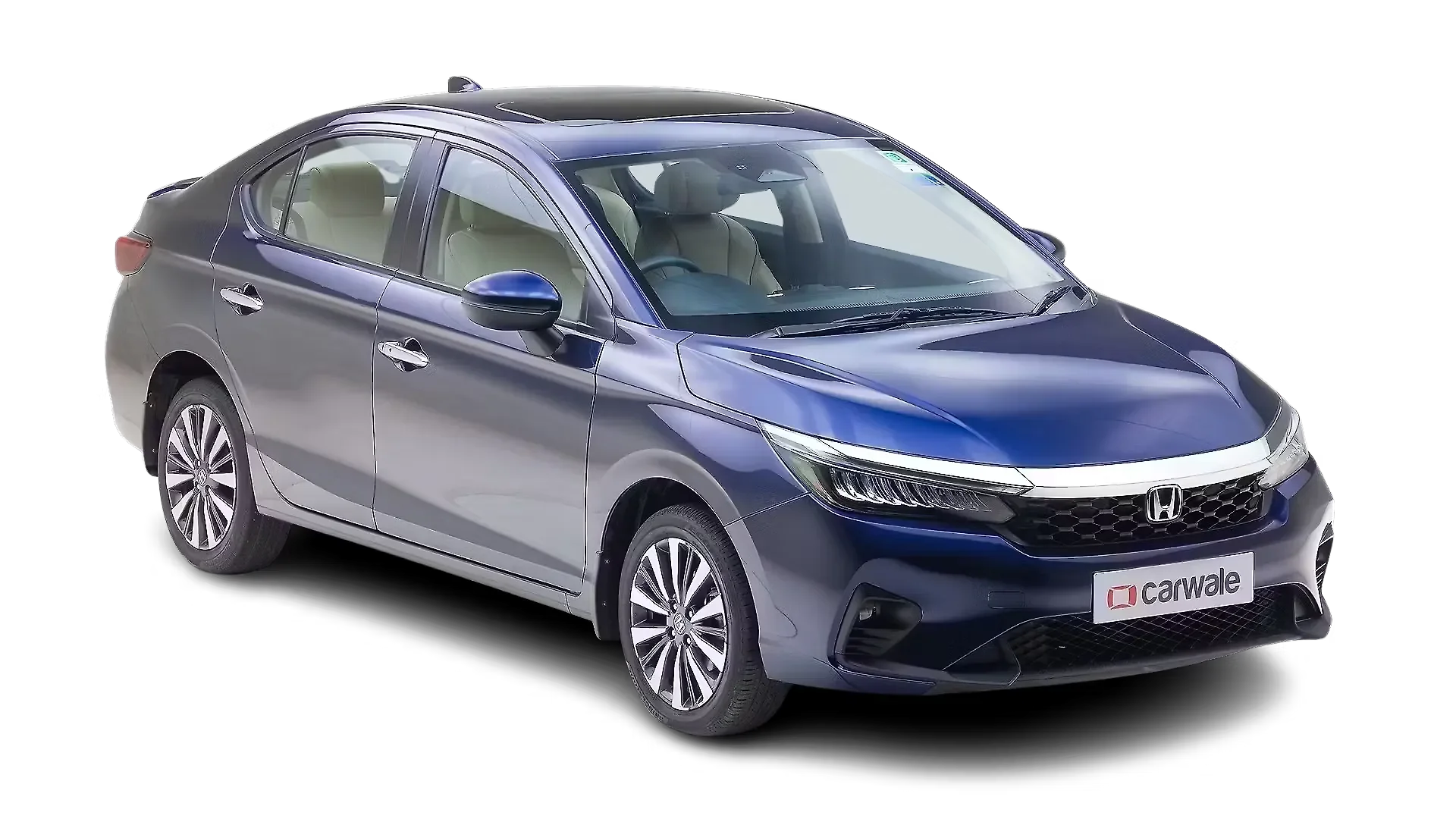
Honda City 2024 vs
Volkswagen Virtus
Choose between a refined all-rounder with ADAS or a driver's sedan with turbo muscle.
Most buyers decide here. Read this before anything else.
- You commute daily in stop-and-go city traffic and want a refined, stress-free cabin rather than a sporty one.
- You have a family that values rear-seat comfort on long highway runs and appreciates a smooth, predictable ride.
- You want factory ADAS safety features without paying flagship money, especially if you have a new driver at home.
- You are considering the e:HEV hybrid because your daily run exceeds 80 km and fuel bills matter more than outright pace.
- You prioritise long-term reliability and a familiar service network over cutting-edge in-cabin technology.
- You want a car that works equally well as a chauffeur-driven vehicle and a self-driven weekend machine.
- You drive long highway stretches regularly and want a car that feels planted and genuinely rewarding at 120 km/h.
- You are an enthusiast who prefers a tight, communicative chassis over a plush, wallowy ride.
- You carry large luggage frequently and need the 521-litre boot rather than the City's more modest offering.
- You want a 1.5 TSI GT with a DSG because you want the fastest car in this segment without moving to a performance car.
- You drive hard in the hills and want a turbo-petrol that pulls cleanly from low revs without constant downshifts.
- You value solid build quality and German-spec shutline precision over a longer feature checklist.
The City 2024 scores 7.6/10, the Virtus 8.4/10. In real life, they are built for different people.
The City's naturally aspirated i-VTEC is smooth and unstressed in bumper-to-bumper conditions, and the CVT makes urban crawling genuinely effortless. The Virtus 1.0 TSI can feel slightly jerky at very low speeds on the torque converter, though the 1.5 DSG is smoother. For buyers who live in metros, the City simply asks less of the driver each morning.
Faisal Khan recorded a verified 204 km/h for the Virtus on the Natrax high-speed bowl, and the car remained composed throughout. The City's 121 PS naturally aspirated engine is willing but runs out of breath well before the Virtus does. On an open expressway, the Virtus GT is the car you want when an overtake needs to happen quickly.
The City's 8.5-rated ride quality is the best number in this comparison, and reviewers consistently call it the more cosseting car over rough surfaces. The Virtus rides well but its stiffer setup, tuned for handling, transmits more road noise and impact into the cabin over broken highways. Families with elderly passengers will feel the difference on a long run.
Honda City sedans have historically held strong residual values in India, backed by a trusted service network and broad brand recognition. The Virtus carries a younger ownership base and slightly patchier after-sales perception in smaller cities, which reviewers including Namaste Car have flagged. Buyers in Tier 2 towns should factor in service centre availability before signing.
Scores shown inline. "Best for" tells you who each result matters to.
| Axis | Honda City 2024 | Volkswagen Virtus | Best for |
|---|---|---|---|
Design |
The 2024 facelift sharpens the City's face with a new mesh grille, redesigned bumpers, and a subtle rear lip spoiler. Top trims get a diffuser-style rear bumper and dual-tone 16-inch alloys in what Honda calls the Sporty treatment. The new Obsidian Blue colour and cleaner surfacing give it a more premium presence on the road. 7.5 / 10 |
The Virtus looks like a proper three-box European sedan rather than a stretched hatchback, and that distinction is real at the kerb. The long bonnet, chrome-laced grille, and planted stance read as mature and confident. The GT trim adds blacked-out alloys and red brake calipers for buyers who want a racier flavour. 8.0 / 10 |
Design-conscious urban buyersVirtus reads more like a proper European sedan from every angle
|
Interior |
The City's horizontal dashboard is clean, ergonomic, and one of the better driving positions in the segment. Wireless Apple CarPlay and Android Auto arrive with the facelift, and the improved 8-inch screen handles sunlight visibility better than before. The cabin prioritises usability over wow-factor, and it delivers exactly that. 7.5 / 10 |
The Virtus packs a 10-inch touchscreen, wireless CarPlay and Android Auto, ventilated front seats, wireless charging, and Type-C ports across both rows. MotorOctane noted the screen does not lag, which is a genuine differentiator in this segment. However, rear-seat ambience and soft-touch materials trail what the City and Korean rivals offer at similar money. 7.0 / 10 |
Tech-forward front-seat driversVirtus front cabin has more features per rupee
|
Performance |
The 121 PS i-VTEC is a Honda hallmark: smooth, refined, and willing to spin cleanly to its 7,000 rpm redline with a genuinely enjoyable note up top. The manual gearbox is the enthusiast's pick in the City lineup. The e:HEV hybrid variant adds 126 PS and near-silent urban running for buyers who want efficiency without compromise. 7.5 / 10 |
The Virtus is the performance benchmark in this segment. The 1.0 TSI makes 115 PS but produces 178 Nm from low in the rev range, and Faisal Khan's verified 204 km/h Natrax run demonstrates its real-world capability. The 1.5 TSI DSG GT is faster still, and both engines deliver the kind of confident overtaking ability the City's NA motor cannot match. 8.5 / 10 |
Highway and performance driversVirtus turbo torque makes real-world speed effortless
|
Ride Quality |
Ride quality is the City's single strongest attribute in this comparison. The suspension absorbs broken city roads and highway expansion joints with composure that reviewers consistently call segment-leading. Rear passengers on long runs benefit the most, making the City the family-trip sedan in this pairing. 8.5 / 10 |
The Virtus rides well for a performance-tuned sedan, but its stiffer setup prioritises handling over passenger comfort. At highway speeds on smooth roads it feels planted and secure. On patchy urban tarmac, the trade-off against the City's compliance becomes noticeable, particularly for rear-seat occupants. 8.0 / 10 |
Families on long road tripsCity's suspension tuning absorbs Indian roads best
|
Build Quality |
The City carries a 5-star Global NCAP rating and Honda's reputation for mechanical durability. Panel fit and finish are good, and the car feels solid without drawing attention to itself. Long-term reliability data from existing owners reinforces confidence in the product. 8.0 / 10 |
Volkswagen's build quality is the Virtus's most talked-about asset. Shutline precision, door thud, and material solidity all punch above the segment average. The 5-star Global NCAP rating matches the City's, but the German-spec rigidity of the body structure feels noticeably more substantial when doors close. 8.5 / 10 |
Buyers prioritising solidityVirtus shutlines and body rigidity are class-leading
|
Value for Money |
The City delivers ADAS from lower variants, a 5-star safety rating, and Honda's long-term reliability in a single package. The e:HEV hybrid makes the value case even stronger for high-mileage buyers when fuel savings are factored in over three years. Resale values hold well, which matters when the total cost of ownership is calculated. 7.5 / 10 |
The Virtus matches the City on price but offers turbo performance and class-leading build at the same sticker. However, a thinner after-sales network in smaller cities and slightly higher service costs affect the long-term value equation. Gagan Choudhary noted that the feature gap versus Korean rivals is noticeable at equivalent trims. 7.5 / 10 |
Long-term ownership plannersCity's reliability and resale history lower total cost
|
Practicality |
The City offers a competitive boot and practical rear-seat packaging for a sub-4.5-metre sedan. The cabin layout is intuitive, storage is thoughtful, and the ergonomics suit both short urban commutes and long family runs without compromising either use case. |
The Virtus carries a 521-litre boot that MotorOctane called the largest in this comparison, and it is a genuine differentiator for buyers who travel with full luggage. The long wheelbase provides strong rear legroom. For buyers who regularly carry three rear passengers or large bags, the Virtus is the more practical load-carrier. |
Frequent travellers with luggage521-litre Virtus boot is the segment's largest
|
The City 2024 scores 7.6/10 and the Virtus 8.4/10, from 9 independent creators. The overall number is only part of the story here: the dimension breakdown is where the real comparison lives.
MotorOctane: Hyundai Verna vs Honda City vs Skoda Slavia vs VW Virtus - MAHA COMPARISON