 Image: Renault press kit
The Kwid is stylish and cheap to run, but a one-star crash rating and dated cabin push it behind more complete rivals.
The 2026 Renault Kwid remains India's best-styled entry-level hatch, wearing SUV-inspired proportions and a genuinely likeable cabin. But an ageing platform, a one-star Global NCAP score and creeping prices mean it now sits awkwardly between the alto K10 and far more capable cars like Renault's own Triber and Kiger. It works for a first-time urban buyer, less so for anyone stretching a budget.
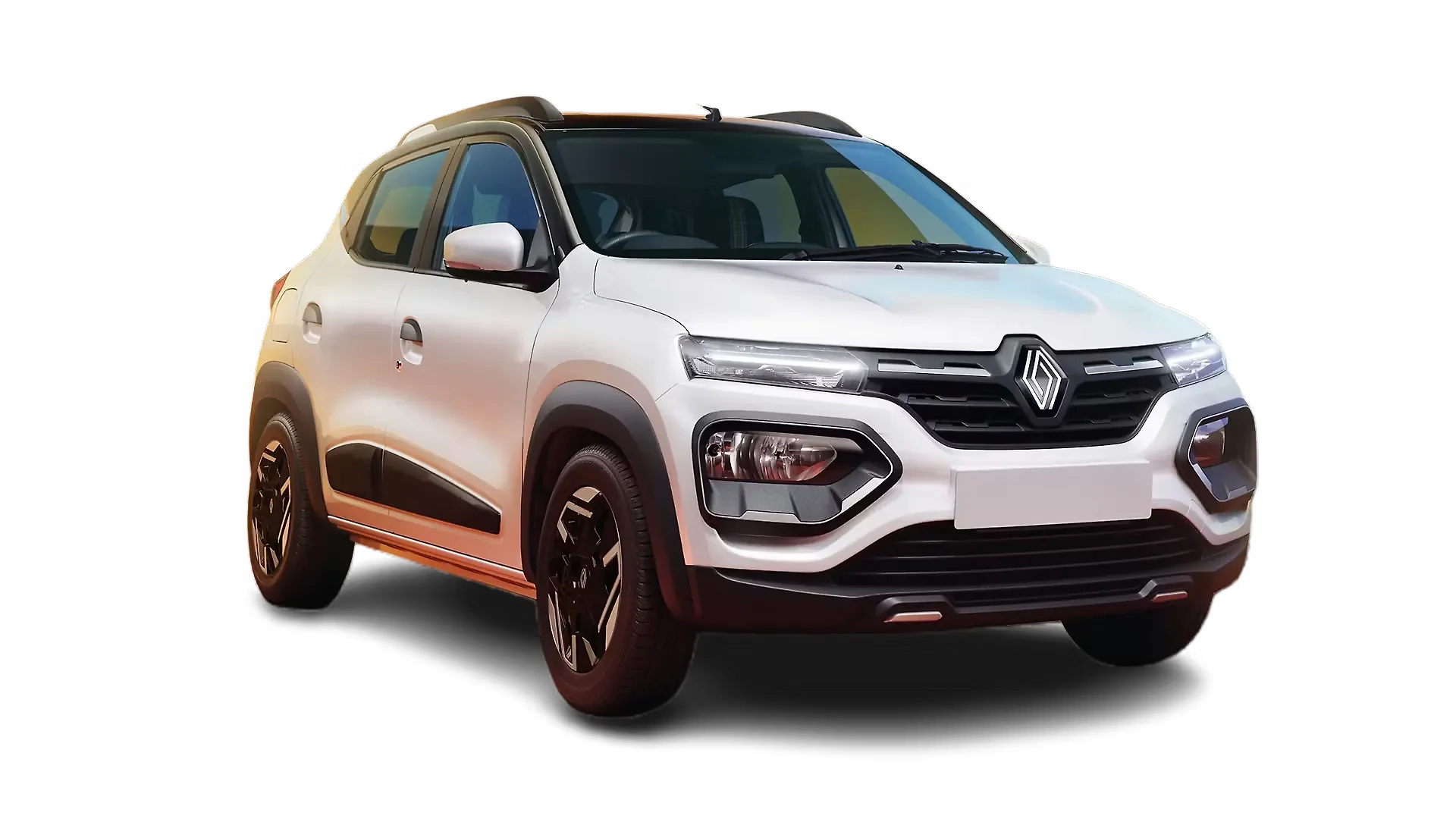
The Kwid still punches well above its price on kerb appeal. The facelift brought split LED headlamps, a Chrome-lined grille, faux skid plates and body cladding that convincingly mimic the bigger Kiger from a distance. Dimensions are 3.7m long, 1.5m tall with a claimed 180mm ground clearance, giving it a stance no rival can match. Wheels look like alloys but are steel with covers on most variants, and MotorBeam notes the top Climber finally gets proper alloys. Colour options include red, white, silver, blue and a dual-tone black roof. The one weakness is the rear, which looks older than the freshly styled face. Overall, this is still the most stylish car under six lakh rupees on Indian roads.
The cabin has character rare in this segment: dual-tone dashboard, white flashes, yellow seat-fabric streaks and a perforated leather steering wheel on the Climber. Standard kit now includes a digital instrument cluster, an 8-inch touchscreen with Apple CarPlay, Android Auto and a reversing camera, plus front power windows and central locking. A rear centre armrest is a segment-first. However, misses are conspicuous: no seat-height adjust, no steering adjust of any kind, no internally adjustable IRVM on lower trims, no rear USB port and no rear seatback pockets. Rear headroom is tight for anyone above 5'8", and Faisal Khan flags fit and finish as merely acceptable. The infotainment feels slow compared to newer rivals, and rattles from plastic panels intrude on longer drives.
This is where the Kwid shows its age. Rattles from plastic panels are audible over rough surfaces, and MotorBeam specifically calls out fit and finish as below what Renault has achieved on the Triber. Cost-cutting is visible if you look: a single wiper, three lug nuts per wheel, steel wheels dressed as alloys. Safety is the bigger concern. Global NCAP awarded the Kwid a single star while the rival Alto K10 scored higher in comparable testing. Standard kit now includes dual airbags, ABS with EBD, ESP, traction control, hill-start assist on the AMT, TPMS, rear parking sensors and camera, and speed-sensing door locks. Useful, but the underlying structure remains the Kwid's Achilles heel for safety-conscious buyers in 2026.
The Kwid is petrol-only with two three-cylinder options: a 0.8-litre and the more usable 1.0-litre making 67bhp and 91Nm. The BS6.2 update has genuinely transformed the 1.0, taming the earlier roughness into something smoother and calmer in traffic. City driving is easy and peppy; the AMT variant adds creep function and hill-hold. On the highway the 1.0 will cruise at 90-100 km/h but runs out of breath beyond that, and the AMT's downshifts are slow and hesitant under hard acceleration. Namaste Car quotes claimed efficiency of 22 km/l for the manual and 22.3 km/l for the AMT, with real-world figures of 15-17 km/l in the city and 18-22 km/l on the highway. Learn to use the clutch: the manual is the sweeter drive.
Ride quality remains the Kwid's quiet superpower. The 180mm ground clearance and well-judged suspension setup let it breeze over broken tarmac, speed breakers and unmarked ruts that would unsettle a Maruti Alto. It feels more mature than its footprint suggests, holding composure at highway speeds and staying comfortable at city crawl. Handling is less impressive: body roll is pronounced, and the electric power steering is light and easy to park but offers no feedback or weight build-up as speeds climb. Braking is adequate for the segment, though the tyres lock up under hard stops on lower variants without ABS on all wheels. For the target urban buyer navigating potholed streets and occasional highway runs, the Kwid's suspension tuning is genuinely class-leading.
Pricing spans roughly ₹4.7 lakh to ₹6.45 lakh ex-showroom across the RXE, RXL, RXT and Climber trims, with the AMT adding a modest premium. For a first-time buyer on the tightest budget, the Kwid still makes sense: it looks expensive, has the segment's best boot, digital cluster and touchscreen as standard, and comes with a four-year/1 lakh km warranty. But as the reviewer from Autocar-style analysis notes, the segment has been painted into a corner. Spend ₹50,000-₹1 lakh more and the Hyundai Exter, Maruti Ignis or Renault's own Triber become accessible, offering more space, better safety ratings and greater long-term versatility. The Kwid is a good buy only if the budget genuinely will not stretch.
"Comprehensive walkaround confirms the Kwid's SUV styling and feature list justify its position as India's entry-level style leader."
"The Dacia Spring EV version shows Renault could bring a genuinely usable 305km-range electric Kwid to India for ₹8-10 lakh."
"The 2023 update fixed the engine, but the Kwid has been squeezed by rivals that cost only marginally more."
"Auto Expo showcase reveals the Kwid platform's flexibility across ICE, AMT and electric, though safety credentials remain a concern."
"Feature-rich update boosts value, but for ₹1 lakh more the Tata Tiago offers airbags, more equipment and better driving dynamics."