 Image: BMW press kit
The LWB delivers genuine rear-seat luxury, modern tech, and strong ICE refinement at a price that undercuts the Mercedes E-Class, though the i5 M60 variant is for enthusiasts who can live with limited range.
The eighth-generation BMW 5 Series arrives in India exclusively as a long-wheelbase model, stretched 110-115mm over the global car to prioritise rear-seat space. It is offered as the 530Li petrol and 520d diesel at around Rs 86.7 lakh on-road Mumbai, with the electric i5 M60 xDrive sitting above at Rs 1.28 crore. It is a confident, tech-heavy luxury sedan that finally feels worthy of its E-Class rival.
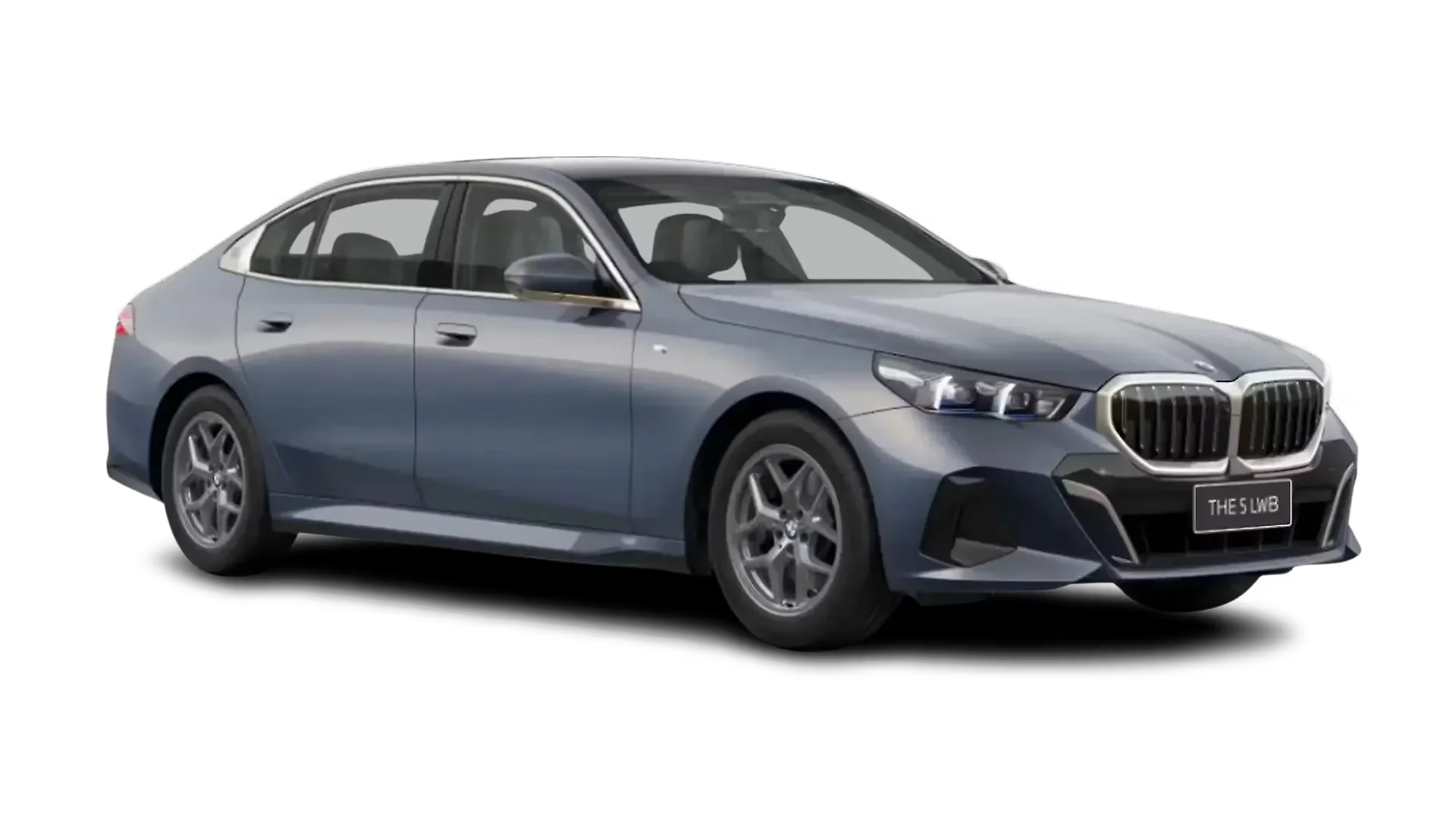
The G68 5 Series gets the illuminated kidney grille, sharper LED headlamps with welcome-and-goodbye light show, and flush door handles for aerodynamic gain (the i5 posts a slippery 0.22-0.23 Cd). For India, only the long-wheelbase version is sold, stretching length to roughly 5.2m and wheelbase past 3.1m, which is 110-115mm more than the global car. The rear-end treatment borrows heavily from the 7 Series with slim horizontal LED tail lamps and a subtle lip spoiler. Faisal Khan notes the i5 M60 looks better than the petrol 530Li in darker shades, thanks to red M brake callipers, 245/40 R20 front and 275/35 R20 rear tyres, and aggressive M bumpers. The petrol car wears 18-inch alloys on 225/55 Pirelli rubber.
The cabin is where the new 5 Series makes its biggest leap. The 14.9-inch curved iDrive 8.5 touchscreen pairs with a 12.3-inch instrument cluster, and the interaction bar with crystal-effect ambient lighting (15 colours on the i5) shifts mood with drive modes. Rear-seat space genuinely benefits from the LWB stretch, with four-zone climate, rear AC vents, USB-C ports, a tablet mount, and ventilated front seats. The Bowers & Wilkins 655-watt 18-speaker system, panoramic glass roof, and vegan leather upholstery feel segment-appropriate. Omissions sting at this price: no rear sunblind (offered on the previous 5 Series and even on cheaper Hyundais), no soft-close doors, no height-adjustable seatbelts, and burying the fan speed and climate functions in the touchscreen is frustrating in daily use.
Cabin fit-and-finish is convincingly premium, with crystal-effect iDrive controller, piano-black trim, and consistent panel gaps. Doors shut with the expected thunk and the dashboard layout feels closer to the 7 Series than the outgoing 5. Eight airbags, ISOFIX mounts, tyre-pressure monitoring, and Level 1 ADAS with lane-keep assist, forward collision warning, and pedestrian detection are standard; Namaste Car flags that the ADAS visualisation is unusually well calibrated, showing pedestrians as walking figures. The 360-degree camera, 3D view, and reversing assistant that retraces your path work cleanly. Build niggles are minor but present: some plastic switches feel under-spec for the price, the AC fan touch slider is fiddly, and Faisal Khan spotted paint that appeared faded on one test car.
India gets three powertrains. The 530Li uses a 2.0-litre four-cylinder turbo-petrol paired to a ZF 8-speed automatic with a 48V mild-hybrid system; MotorBeam found it responsive and refined with minimal body movement at low speeds but softer suspension behaviour at higher pace. The 520d brings a 2.0-litre diesel for long-distance buyers. The headline act is the i5 M60 xDrive: dual motors producing 601hp and 795Nm, drawing from an 83.9 kWh battery (81.2 kWh usable) sourced from the i4 platform. BMW claims 0-100 km/h in 3.8 seconds; the test car repeatedly clocked 3.55-3.57 seconds. Top speed is 230 km/h. A boost paddle adds 10 seconds of extra shove, and integrated traction control reacts ten times faster than the previous system.
The 530Li rides on adaptive dampers with 18-inch wheels on 55-profile tyres, which keeps the cabin comfortable on smooth tarmac, though there is some body movement at speed. The i5 M60 adds active anti-roll bars and rear-wheel steering (turning 2.5 degrees) that mask its 2400kg kerb weight surprisingly well; turn-in is sharp and the chassis feels composed. The catch is ground clearance: the i5 sits dangerously low and scrapes on virtually every Indian speed breaker, with no air suspension to lift it. The 20-inch low-profile tyres further hurt absorption over sharp edges. The petrol 530Li, sitting higher on taller-sidewall rubber, is the more usable everyday tool. Steering is light at parking speeds and weights up naturally on the highway.
Pricing is the 5 Series' sharpest weapon. The 530Li and 520d both come in at roughly Rs 86.7 lakh on-road Mumbai, which positions the car directly against the outgoing E-Class while undercutting the incoming new E-Class and Audi A6. The i5 M60 xDrive at Rs 1.28 crore is Rs 41.3 lakh more, but it undercuts the Porsche Taycan and Audi RS e-tron GT by a wide margin while matching their performance. Where value wobbles: the i5 uses a smaller 83.9 kWh i4-sourced battery rather than the i7's larger pack, real-world range stays under 400km, and obvious convenience kit like sunblinds and soft-close doors is missing. For buyers prioritising rear-seat comfort, the 530Li is the smart pick.
"The i5 M60 is one of the best EVs he has driven, but the ground clearance makes it unusable on Indian roads."
"A clear generational leap with 7 Series-inspired design and tech, but the LWB-only strategy is the right call for India."
"The 530Li drives cleanly with a responsive 2.0-litre petrol; rear-seat comfort and ride quality edge the outgoing E-Class."
"Steering feel and chassis composure remain the 5 Series' core strengths in this generation."