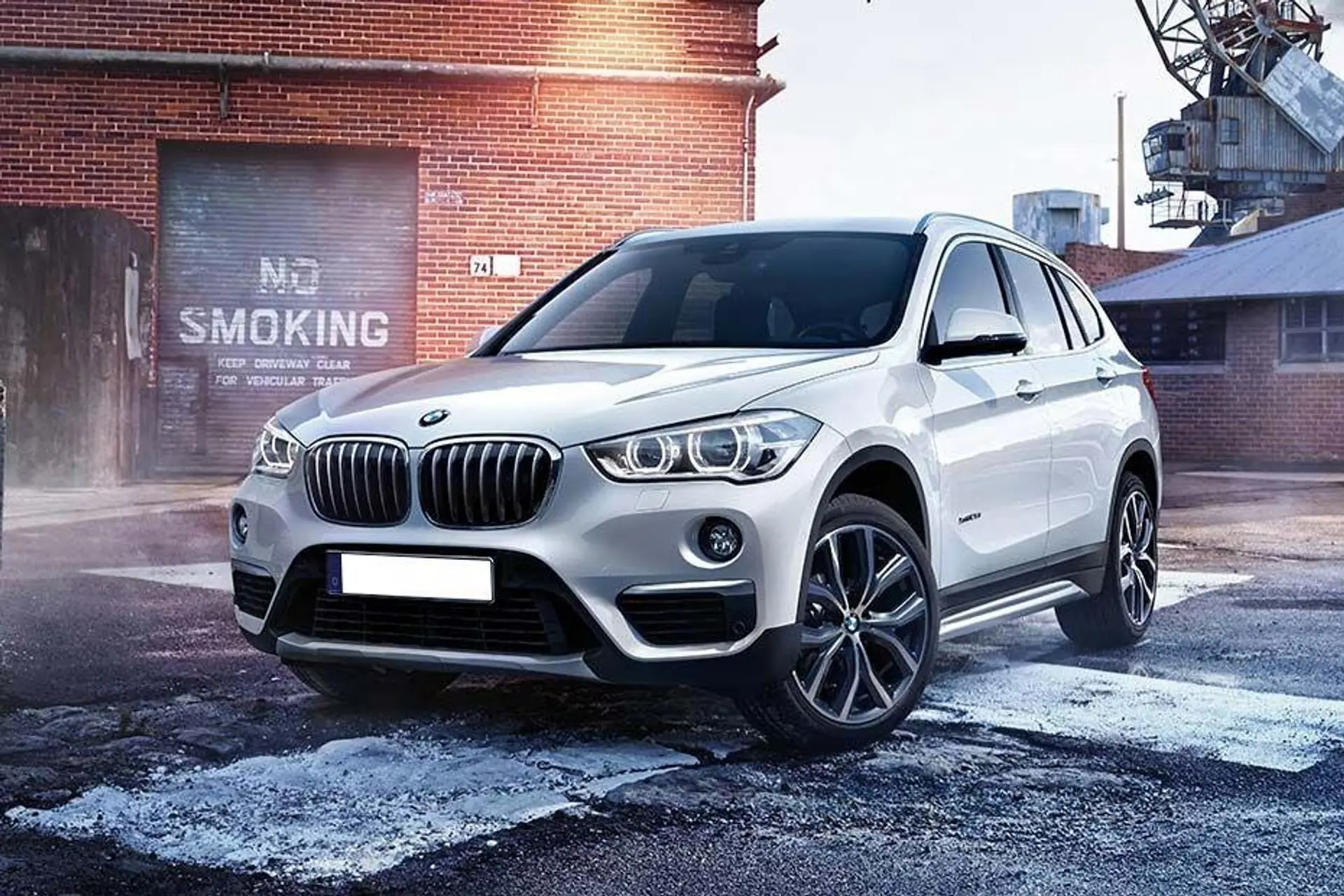
 Image: BMW press kit
Best-in-class rear seat space, segment-leading features and a sharp price make the X1 a smart entry-luxury pick, provided you can live with diluted BMW driving feel.
The third-gen BMW X1 (U11) is now longer, more spacious and far more feature-rich than before, with a long-wheelbase iX1 electric variant joining the petrol and diesel line-up. It targets the Mercedes GLA and Audi Q3 with a sharper price, a massive panoramic sunroof and class-first rear comfort, but enthusiasts will notice the trademark BMW driving feel has been softened.
The third-gen X1 grows up visually, with a larger kidney grille, sharper LED headlamps and an X3-like silhouette that makes it the most grown-up X1 yet. The M Sport trim adds aggressive bumpers, an M-badged closed grille on the iX1 and 18-inch alloys, though some feel 19s would suit the proportions better. Faisal Khan finds the front-to-rear styling slightly disjointed on the iX1, and the absence of fog lamps and red brake calipers stings on a car wearing M badges. Overall length is up by 116 mm on the long-wheelbase iX1, with a 2.8-metre wheelbase that visibly stretches the side profile. It is no longer the cute small BMW SUV: it now looks like a proper family crossover.
The cabin is where the X1 makes its biggest leap. A floating twin-screen setup (10.25-inch cluster plus 10.7-inch touchscreen) running BMW's latest iDrive dominates the dashboard, paired with a freed-up centre console, ambient lighting in 15 colours and a 9-square-foot panoramic glass roof. Equipment is class-leading: massage front seats, Harman Kardon audio, wireless charging, electric tailgate, memory seats and digital key with NFC. The catch is ergonomic: physical buttons for climate, parking lights and even the gear selector have been replaced by touch inputs that require multiple taps. Material quality is good up top but Gagan Choudhary points out hard plastics lower down, and the iX1 has fewer interior colour options because it is locally assembled.
Build feels solid where you touch most often: doors shut with the expected German thunk, the dashboard top and upper door pads are soft, and the seats are wide and supportive with extendable thigh support up front. Lower plastics and the boot area are harder than the price suggests, and the centre console plastics around the wireless charger attract scratches. Safety is comprehensive: eight airbags, Level 2 ADAS with adaptive cruise, lane keep, blind-spot monitoring and adaptive regen braking on the EV. A 360-degree camera is missing, which is a notable omission at this price. BMW also bundles a complimentary 11 kW AC wall charger with the iX1 and offers extended warranty packages up to 8 years/2 lakh km.
India gets a 2.0-litre diesel (148-150 bhp, 360 Nm), a 1.5-litre three-cylinder petrol (134 bhp, 230 Nm) and the iX1 eDrive20L EV (204 PS, 250 Nm). The diesel does 0-100 km/h in around 8 seconds, the petrol around 9 seconds and the iX1 a claimed 8.6 seconds. All three feel adequate rather than exciting: the diesel is the pick for highway runs with strong mid-range and refinement, while the iX1, weighing over two tonnes, lacks the shove most EV buyers expect. Critically, this generation is front-wheel drive only in India, with no xDrive option. Even MotorOctane, an X1 loyalist, notes the trademark thrust is missing, though it remains the most engaging of the three Germans in the segment.
Ride quality has been softened deliberately for Indian conditions and it shows. The suspension absorbs broken patches, rumblers and expansion joints without fuss, and 170-175 mm of ground clearance is enough for most speed breakers. The 225/55 R18 Bridgestone Turanzas (non run-flat) help. The trade-off is body control: there is more roll than a BMW purist would accept, and on the iX1 the suspension can sound crashy over sharp bumps. The steering is now lighter and more accessible, but feedback is muted compared to the previous-gen car. For a first-time luxury buyer this is a win; for someone cross-shopping with a 3 Series, the dynamics will feel diluted. Visibility is good, though the bonnet edges are not visible.
Pricing is where the X1 lands its biggest punch. The petrol and diesel sit in the Rs 49-50 lakh ex-showroom bracket, translating to roughly Rs 55-63 lakh on-road, which puts it level with the Mercedes GLA and Audi Q3. The locally assembled iX1 eDrive20L is the headline act at around Rs 49 lakh ex-showroom (Rs 51.93 lakh on-road Mumbai), making it the most affordable luxury EV in India and significantly undercutting the Mercedes EQA and Volvo EX40. Standard kit, a 2-year unlimited-km warranty extendable to 8 years, 5-year roadside assistance, and the option of service-inclusive packages from around Rs 1.2 lakh strengthen the case. It is properly priced; it just is not the most exciting BMW.
"Still the best-driving of the three Germans, but the missing thrust will disappoint loyal BMW buyers."
"Best-looking X1 yet with massive rear space, though the lack of physical iDrive knob hurts everyday use."
"The iX1 long-wheelbase makes sense only on price; the driving fun of a real BMW is absent."
"Stellar value as the cheapest luxury car in India, but it simply does not feel like a BMW."
"A used 3,000-km example at Rs 44 lakh is a smart way into the new X1's tech and design."
"Older E84 X1 diesel is still fun and rear-drive; the new car is more practical but less engaging."