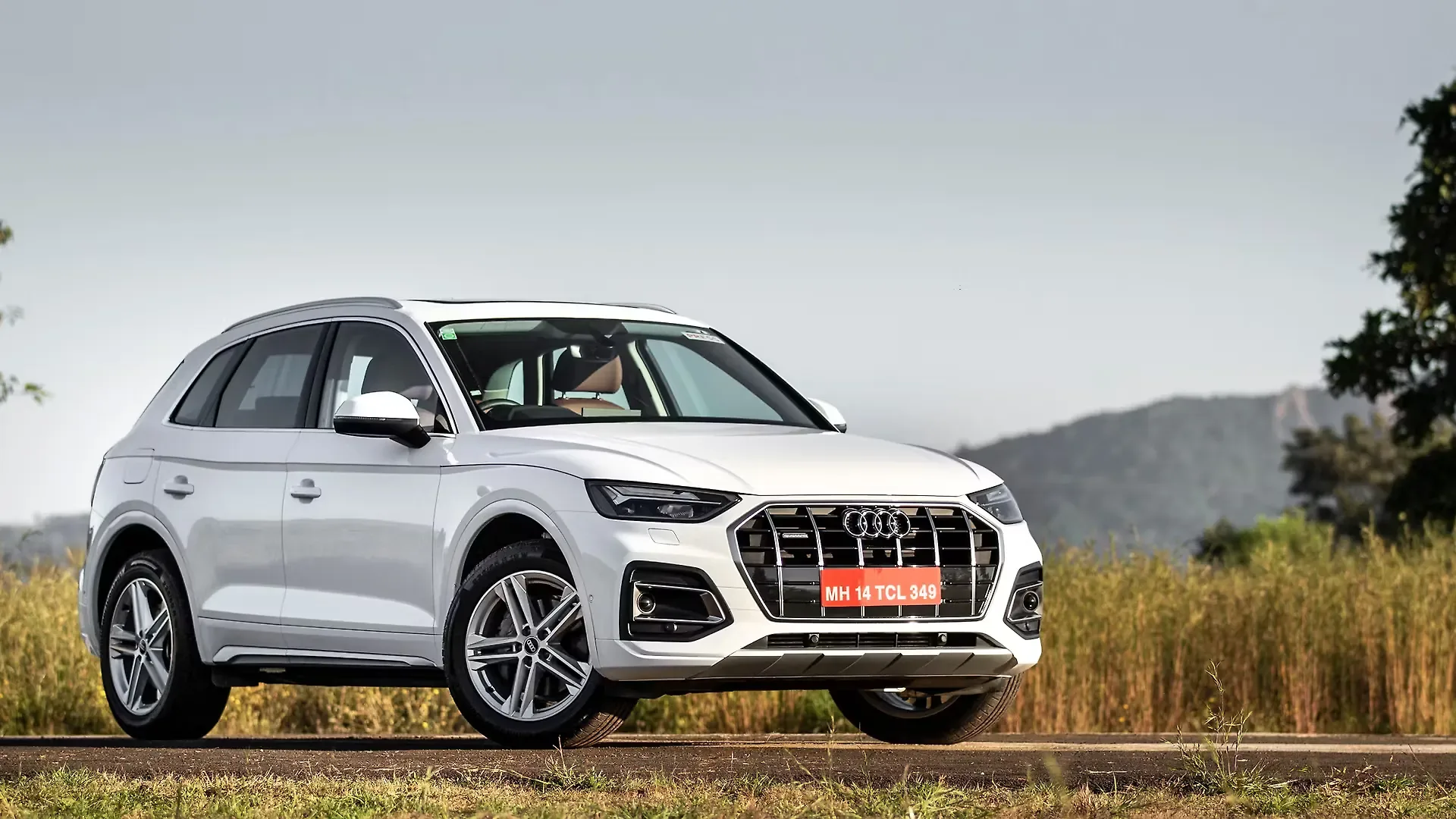
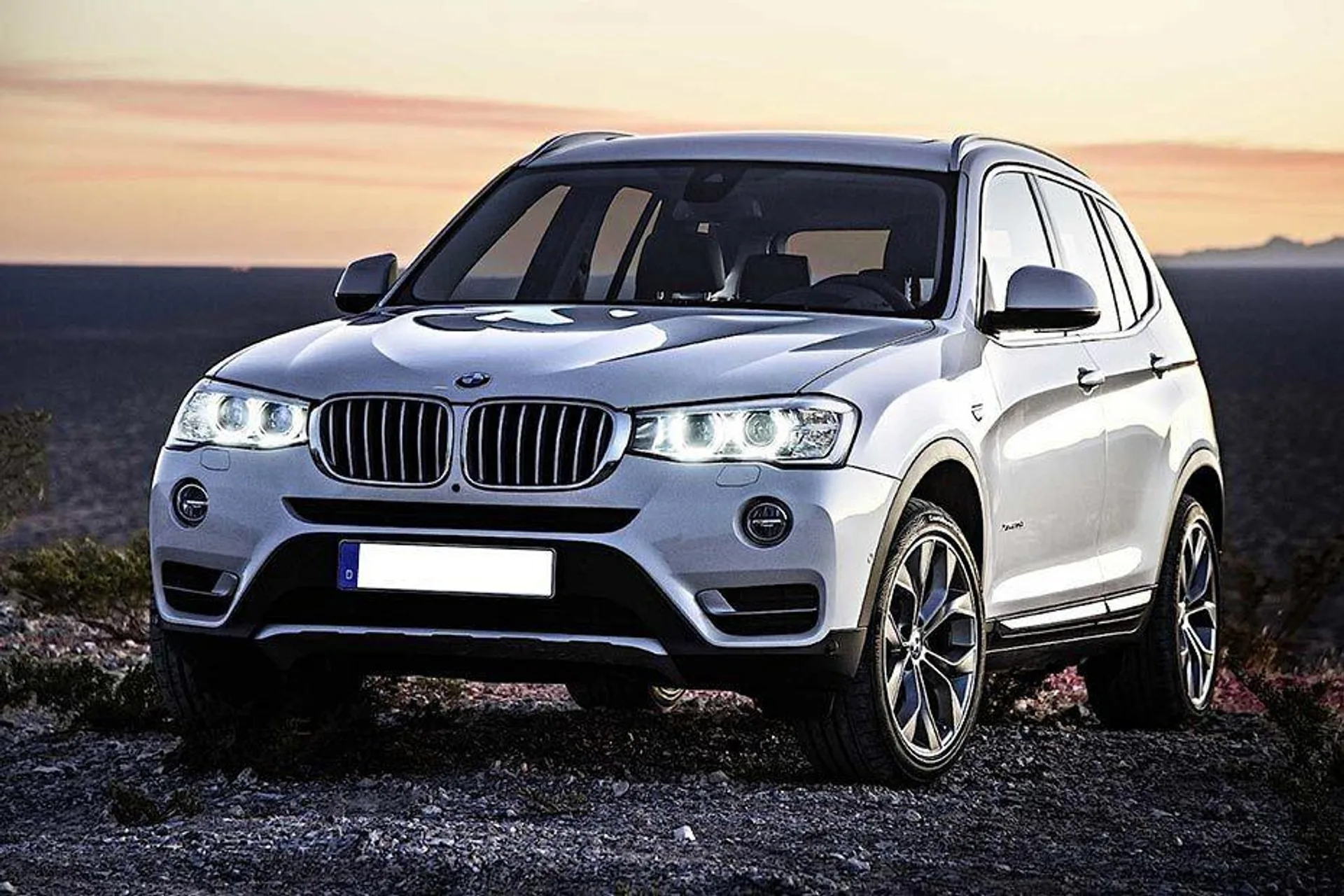
BMW X3 vs
Audi Q5
The X3 rewards drivers who want a sharper, softer ride; the Q5 rewards buyers who want a solider, more familiar luxury experience.
Most buyers decide here. Read this before anything else.
- You drive yourself daily on mixed city and highway roads and want the most composed, comfortable chassis in the segment.
- You enjoy technology immersion and do not mind learning a screen-first cabin without many physical buttons.
- You want a diesel option that returns strong real-world fuel efficiency on long intercity drives.
- You prioritise a modern, progressive design statement over a conservative badge-first appearance.
- You plan to keep the car for four to five years and want the latest generation platform from day one.
- You carry two adults regularly in the rear and need genuine legroom from that longer 2.86m wheelbase.
- You want the fastest car in this comparison off the line and value a 6.1-second 0-100 sprint in daily driving.
- You prefer a cabin with tactile buttons, logical ergonomics, and an interior that grows on you over months of use.
- You are buying today and want strong value from the current-generation car before the new Q5 arrives in 2026.
- You carry passengers who get carsick easily and prefer a more upright, stable SUV stance over a sporty low profile.
- You want quattro all-wheel drive as standard and live in an area with wet or uneven seasonal road conditions.
- You value long-term build solidity and want a cabin that shows no rattles even past 30,000 km of hard use.
The X3 scores 7.7/10, the Q5 7.9/10. In real life, they are built for different people.
The X3's 48V mild-hybrid diesel returns exceptional refinement at cruise speeds, and its adaptive suspension absorbs highway undulations better than almost anything in the segment. Faisal Khan noted the ride quality as a genuine benchmark step forward for the G45 generation. The Q5 petrol is smooth but louder at sustained triple-digit speeds, and the current cabin lacks ventilated seats for hot-climate comfort on long runs.
The Q5's 265 PS quattro combination delivers a 6.1-second 0-100 sprint that no X3 petrol variant matches on paper. MotorOctane drove the new-gen Q5 across Spanish circuits and praised its composed, driver-focused dynamics. The X3 handles well for an SUV but prioritises comfort over outright driver engagement at this generation.
The X3 runs iDrive OS9 on a 14.9-inch curved screen with no physical shortcut buttons, which divides opinion sharply at this price. V3Cars spent a month with the Q5 and praised its MMI layout for ergonomic logic, noting physical AC and drive-mode controls that feel intuitive immediately. Buyers who dislike screen-hunting for basic functions will settle into the Q5 faster.
The X3 G45 is a freshly launched generation on a new platform, which typically holds residual value better in the early product cycle. The current Q5 is an outgoing generation with a confirmed replacement arriving in 2026, which may soften its resale curve sooner. Buyers buying the Q5 today should factor in that new-generation models will appear in showrooms within the ownership window.
Scores shown inline. "Best for" tells you who each result matters to.
| Axis | BMW X3 | Audi Q5 | Best for |
|---|---|---|---|
Design |
The G45 X3 is lower and wider than before, with an illuminated kidney grille and flush door handles that feel genuinely modern. Faisal Khan noted it photographs poorly but commands attention in person, especially in profile. The sloping roofline gives it a near-estate stance that splits opinion. 7.5 / 10 |
The Q5 wears Audi's upright single-frame grille and sharp LED headlamps in a shape that reads confidently without demanding attention. Carwow described it as inoffensive rather than adventurous, a car that does its job without polarising anyone. The limited-edition black pack adds visual bite to an otherwise measured silhouette. 7.8 / 10 |
Buyers wanting a bold statementX3's lower, wider stance reads more progressive at the kerb
|
Interior |
The X3 cabin centres on a 14.9-inch curved iDrive OS9 touchscreen and a 12.3-inch driver display, with crystal ambient lighting and 100% vegan upholstery. The Harman Kardon 750W system is superb and build quality is strong where hands fall. Physical control lovers will find the screen-first approach a daily adjustment. 7.0 / 10 |
The Q5 interior prioritises ergonomics: physical buttons for AC and drive modes, a 12.3-inch Virtual Cockpit, and three-zone climate control. V3Cars praised the cabin after 33,000 km of testing, noting zero rattles and a Bang and Olufsen 19-speaker system that rivals anything in the segment. It feels understated for the price but rewards careful inspection. 7.5 / 10 |
Tactile-control buyersQ5's physical layout is immediately intuitive and rattle-free long-term
|
Performance |
The B47 diesel in the X3 produces 197 hp and 400 Nm, with the 48V mild-hybrid containing turbo lag effectively. Tested 0-100 km/h runs came in at 7.4-7.67 seconds, marginally ahead of BMW's own 7.7-second claim. The 30i M Sport petrol adds more urgency if diesel is not preferred. 8.0 / 10 |
The Q5's 2.0 TFSI delivers 265 PS and 370 Nm through a 7-speed dual-clutch and quattro AWD, hitting 0-100 km/h in 6.1 seconds. MotorOctane clocked strong real-world pulls during the international drive programme in Spain. No diesel is offered, but the petrol's outright pace is the class benchmark at this price. 8.0 / 10 |
Performance-first driversQ5's 6.1-second sprint is a full second quicker than the X3 diesel
|
Ride Quality |
The G45 X3 sets the new segment benchmark for ride comfort, absorbing sharp edges and highway undulations with a composure that surprised reviewers. The adaptive suspension tuning prioritises passenger comfort without making the car feel floaty at speed. Faisal Khan rated it the best-riding car in its class at launch. 8.5 / 10 |
The current Q5 rides well on Indian roads but cannot match the X3's new-generation suspension refinement. The incoming 2026 model adds optional air suspension, which may close this gap significantly. For now, buyers prioritising ride plushness will find the X3 a clear step ahead. 7.5 / 10 |
Rear-seat comfort seekersX3's adaptive setup absorbs broken surfaces more effectively
|
Build Quality |
The X3 cabin uses quality materials where hands fall most often, with a fixed panoramic roof and solid door shut quality. Some reviewers noted that lower cabin surfaces feel less premium relative to the price point. Overall assembly is strong but the screen-heavy design draws attention to areas where material cost was managed. 7.5 / 10 |
V3Cars tested the Q5 to 33,000 km without a single rattle, a meaningful long-term endorsement. Carwow noted the Q5 cabin feels solid throughout, with no wobble in any trim piece regardless of how hard you try. The build score reflects this track record of durable, consistent assembly quality. 8.0 / 10 |
Long-term ownership buyersQ5's proven solidity over 33,000 km sets it apart
|
Value for Money |
The X3 asks a premium for its new-generation platform, mild-hybrid tech, and segment-best ride, and the feature list justifies much of it. Missing ventilated seats at this price and a cabin philosophy that demands screen literacy are notable concessions. Buyers get a genuinely current product that will age well. 7.0 / 10 |
The current Q5 offers competitive pricing for its 265 PS output, quattro AWD, and proven build quality, though it lacks ADAS and ventilated seats. V3Cars rates it strong value within the Rs 70 lakh bracket. Buyers aware of the 2026 new-generation arrival can negotiate well on current stock. 7.4 / 10 |
Value-conscious luxury buyersQ5 offers more outright performance per rupee in current spec
|
Practicality |
The X3's 2.86m wheelbase translates into genuine rear legroom improvements over the outgoing car, and the longer, wider body increases boot usability. The fixed panoramic roof is a practical all-weather choice over a sliding unit. Two adults in the rear will notice the space upgrade over the previous generation. |
The Q5's upright SUV stance makes entry and exit easier than the lower X3, a real advantage for older passengers or daily urban use. Boot space is competitive and the high seating position suits drivers who want visibility in dense city traffic. Quattro AWD adds genuine all-weather utility beyond the badge. |
Families with older passengersQ5's higher, more upright body is easier to enter and exit daily
|
The X3 scores 7.7/10 and the Q5 7.9/10, from 8 independent creators. The overall number is only part of the story here: the dimension breakdown is where the real comparison lives.
carwow: BMW X3 vs Audi Q5 vs Volvo XC60 2018 - which is best? | Head-to-Head