Tata Bets on AI and TQM to Fix Its Quality Problem: About Time
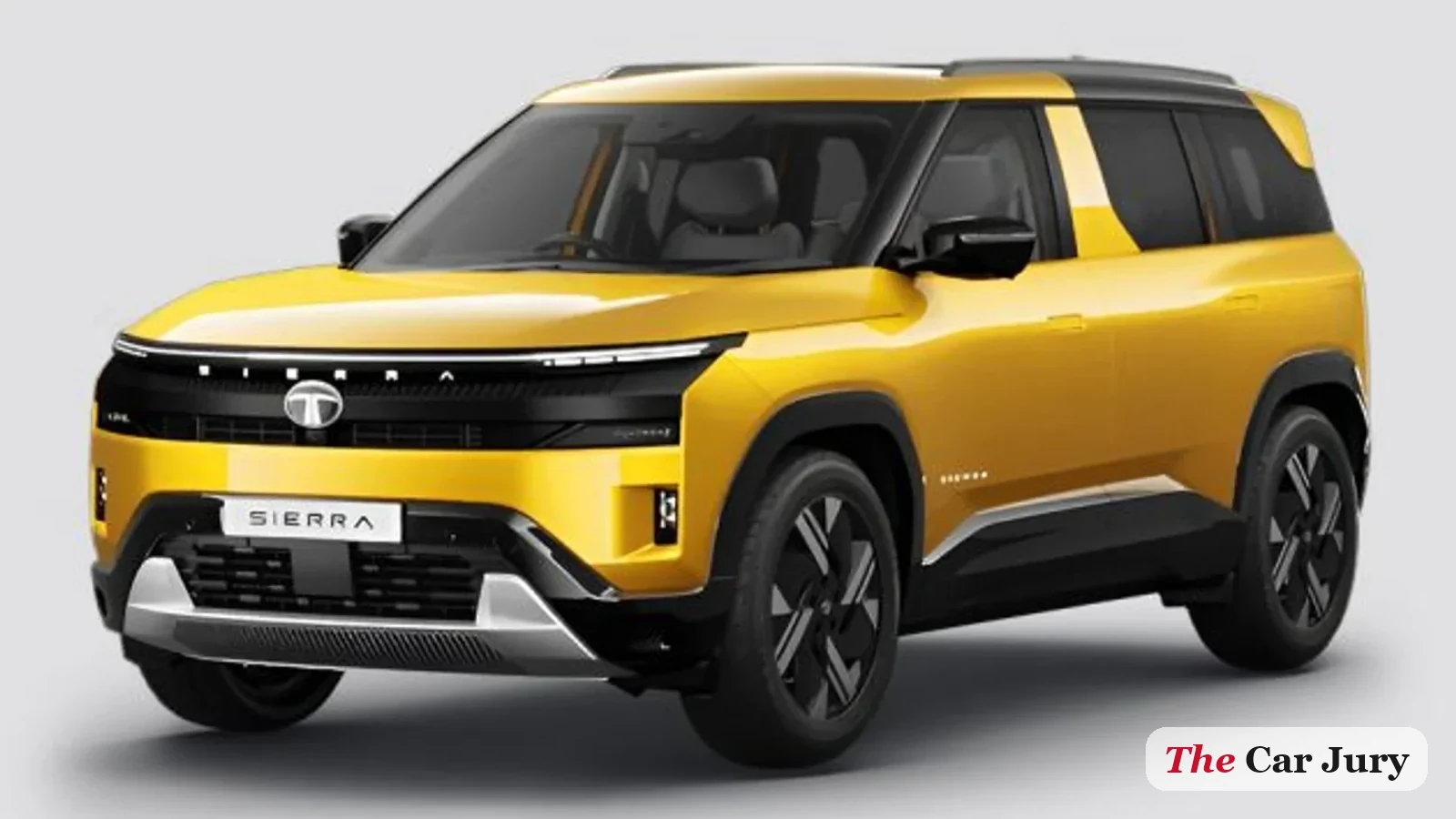
Tata Motors has outlined a structured push to fix its long-standing quality and after-sales perception problem, with MD and CEO Shailesh Chandra detailing the use of AI-based diagnostics, predictive analytics, digital twins and Total Quality Management. The company says early-life vehicle issues are already down by nearly 60 percent.
What was announced
Speaking after a period in which Tata Motors nearly quintupled its passenger vehicle volumes, MD and CEO Shailesh Chandra said the company is now shifting focus to product quality, an area where it has faced sustained criticism. "We have to prepare the system proactively rather than reactively," Chandra said, outlining a strategy built around AI, digital engineering, predictive diagnostics and Total Quality Management (TQM).
Tata can engineer brilliant cars; the test is whether the dealer service bay stops undoing that work.
Tata acknowledged that rapid portfolio growth and rising vehicle complexity, particularly with the addition of EVs and connected-car features, had put both product quality and after-sales service under stress. The company claims it has already reduced early-life vehicle issues by nearly 60 percent through tighter factory quality gates, improved logistics and electronic proof-of-delivery systems at dealerships.
The roadmap announced covers four pillars: predictive diagnostics to flag failures before the customer notices them, AI-based diagnostics in service workshops to reduce repair times and repeat visits, digital twins and virtual validation to catch design issues before tooling, and a wider TQM framework across manufacturing. Chandra identified two stress points on quality: the manufacturing-to-delivery chain, and the post-sale service experience. Tata says investments are flowing into both, with workshop technician training and parts availability being scaled alongside the diagnostic tools. The announcement is notable because it is the first time Tata's leadership has publicly tied its quality narrative to specific, measurable interventions rather than general assurances, and it comes as the brand prepares to defend share against Mahindra, Hyundai and Kia in the SUV and EV segments through 2026.
The Car Jury verdict
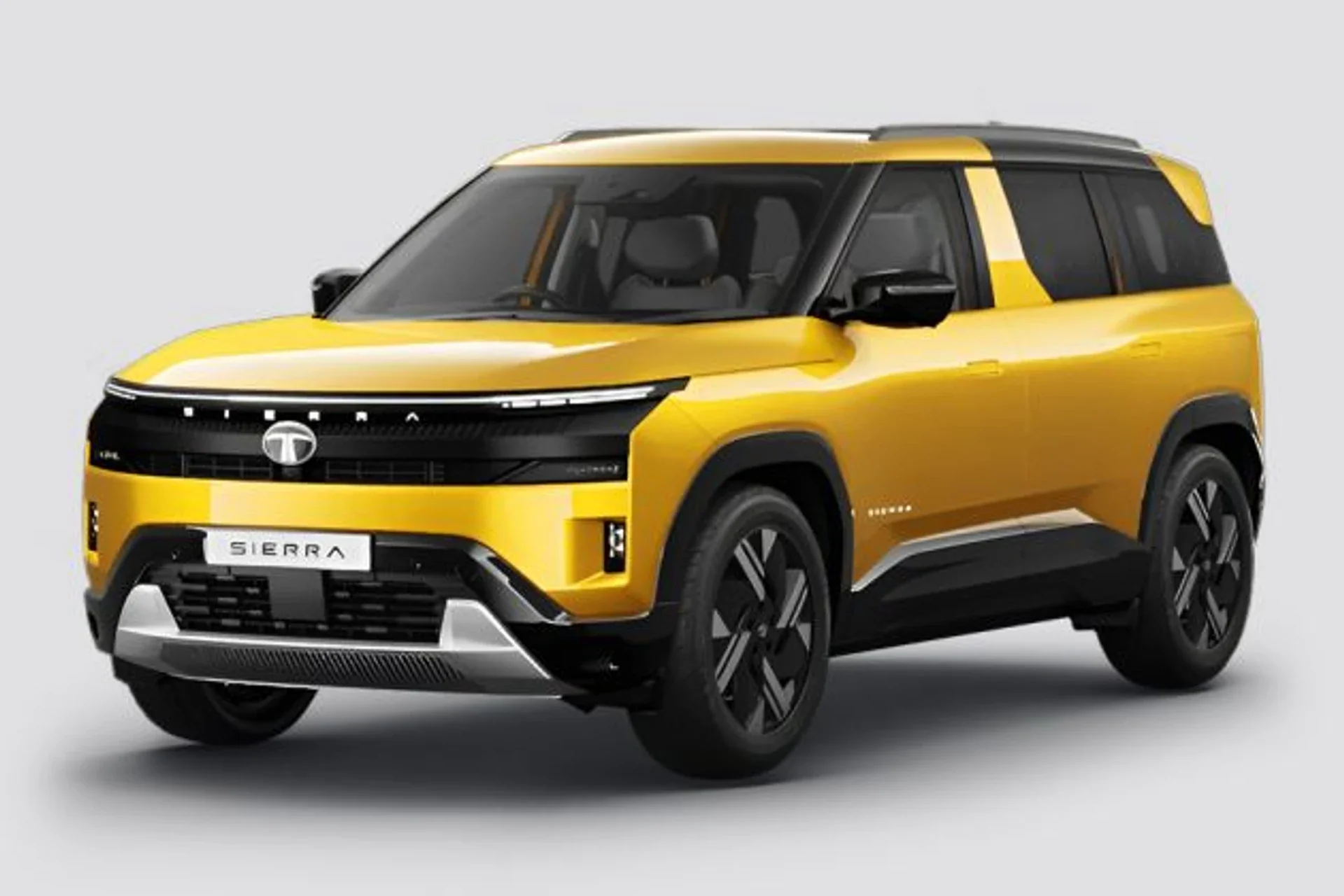
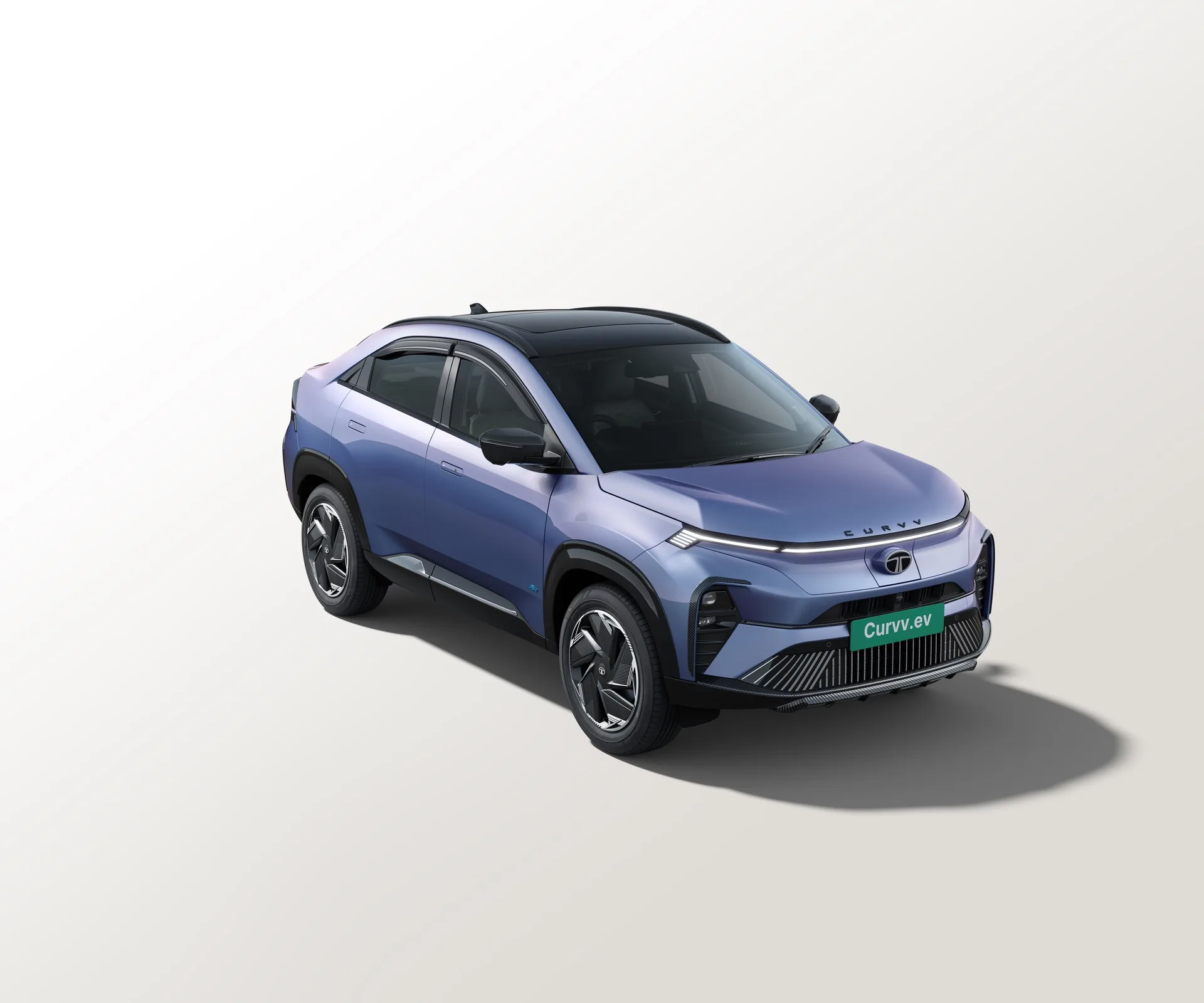
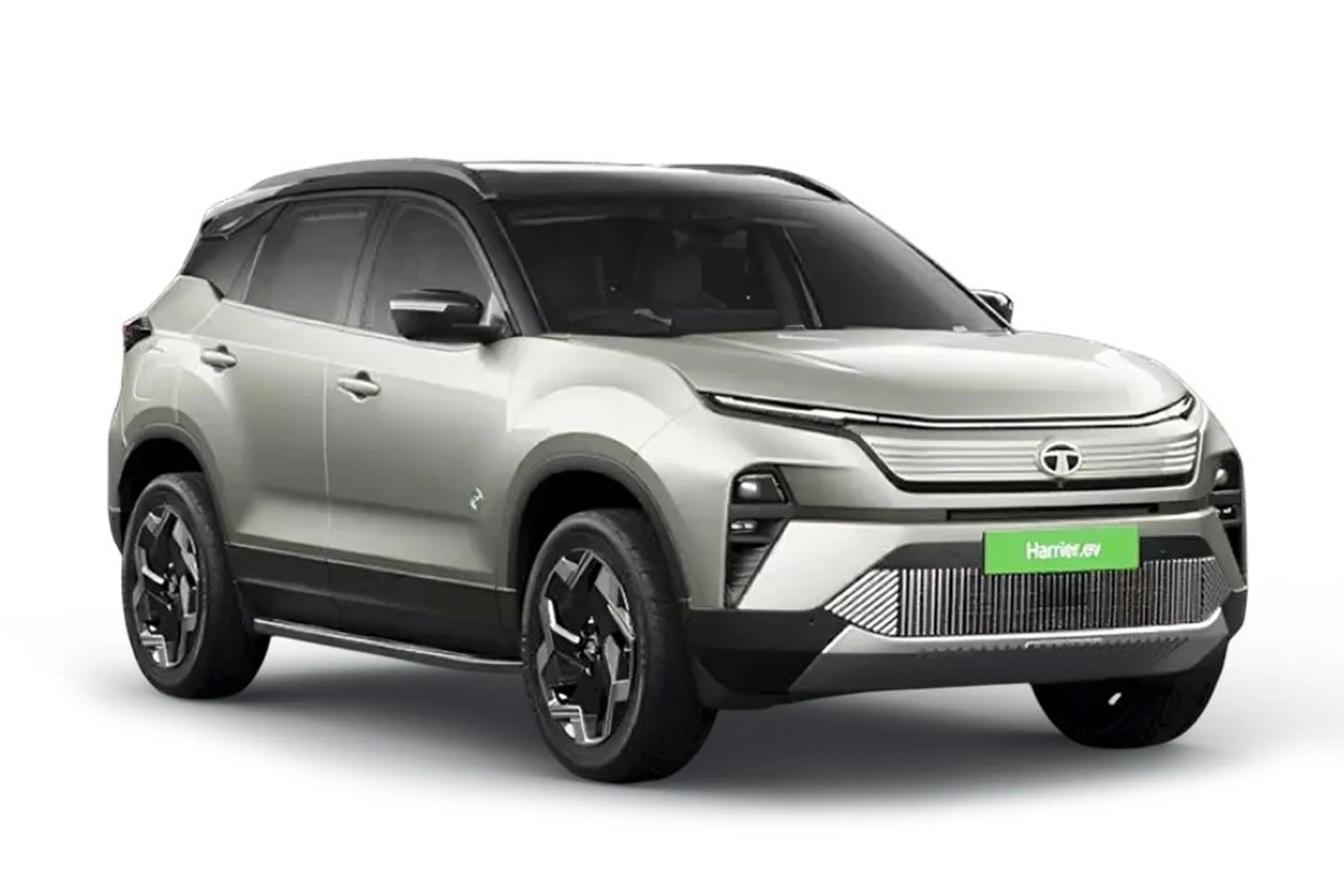
Tata needed to say this out loud. The portfolio has gone from a handful of models to one of the widest line-ups in India, and quality complaints, especially on software and fit-finish, have followed the volume curve. A 60 percent drop in early-life issues is a credible number if it holds across the Sierra, Harrier EV and Curvv EV ramp-ups.
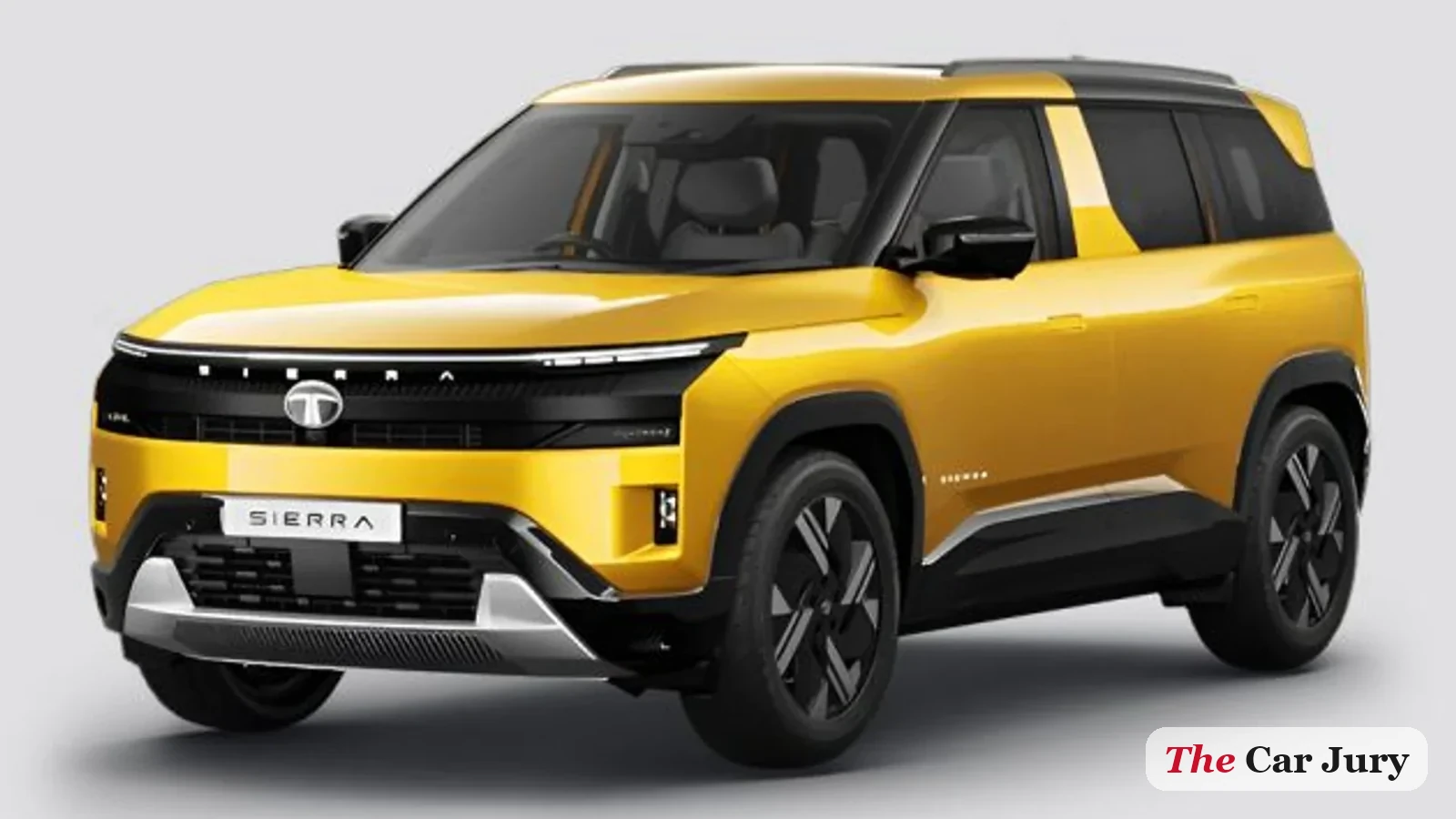
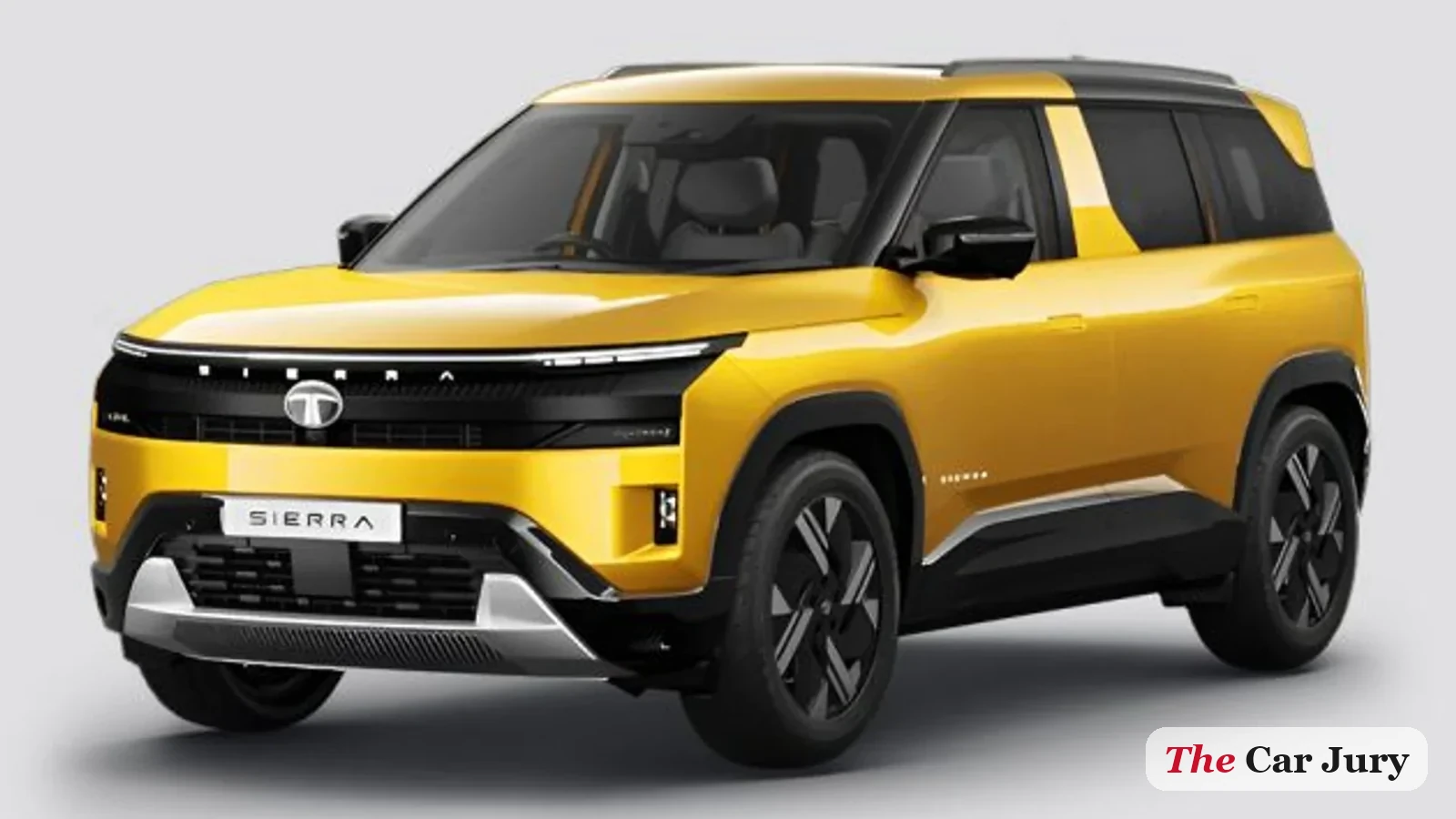
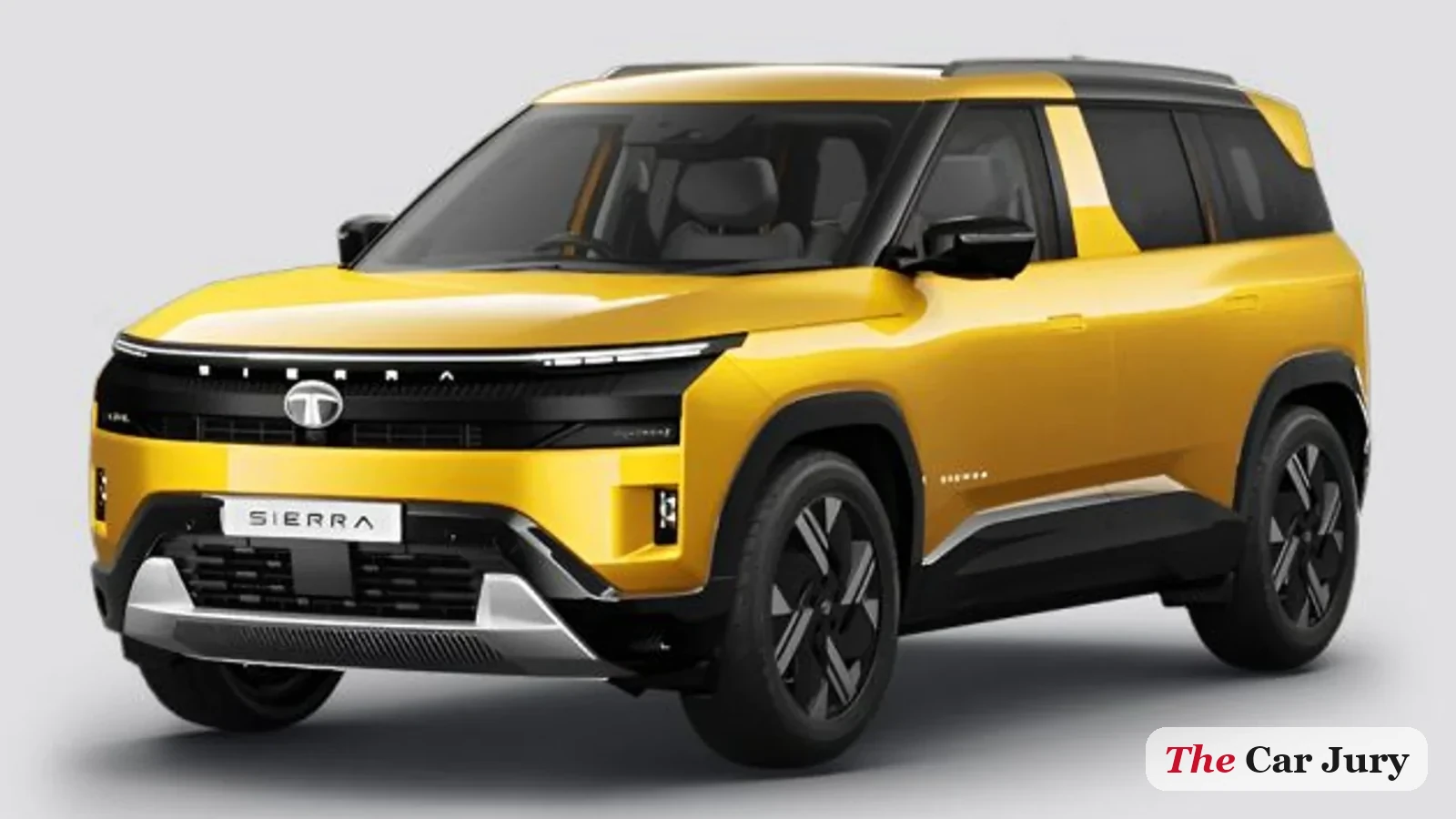
Our reviews of the Sierra, Harrier EV and Curvv EV all land on BUY because the products themselves are strong; the unknown was always ownership. Faisal Khan of FasBeam has already flagged that the Sierra range opens at Rs 13.58 lakh on-road Mumbai, which puts it squarely against Hyundai and Kia. At that money, Tata cannot afford service-bay horror stories. This announcement is the right fix; execution at the dealer level is the part we will keep auditing.