Reva at 25: Chetan Maini's EV Legacy, and Why India Owes Him More Than a Nod
India's first electric passenger car, the Reva, turns 25 this year. Founder Chetan Maini, speaking to ETAuto, reflected on the microcar's role in kickstarting the country's EV journey and hinted he would never say no to another electric vehicle venture, even as Tata, Mahindra and Maruti now dominate the space.
What was announced
The Reva was launched on 11 May 2001, chosen deliberately to coincide with India's National Technology Day, with customer deliveries beginning in July 2001. Built by the Reva Electric Car Company, founded by Chetan Maini in Bengaluru, the microcar claimed a driving range of 80 km on a full charge under ideal conditions, and a top speed of 65 kmph. It seated two adults plus two children and was aimed at intra-city commuting at a time when EVs were not part of any mainstream policy conversation in India.
India does not need another boutique EV. It needs a third serious player under Rs 15 lakh, and Chetan Maini could still be the man to build it.
Reva Electric Car Company was acquired by Mahindra in 2010, becoming Mahindra Reva, and the microcar eventually evolved into the e2o. Production of the e2o ended in 2019. Maini has since moved on to SUN Mobility, focused on battery-swapping infrastructure for commercial and two-wheeler segments.
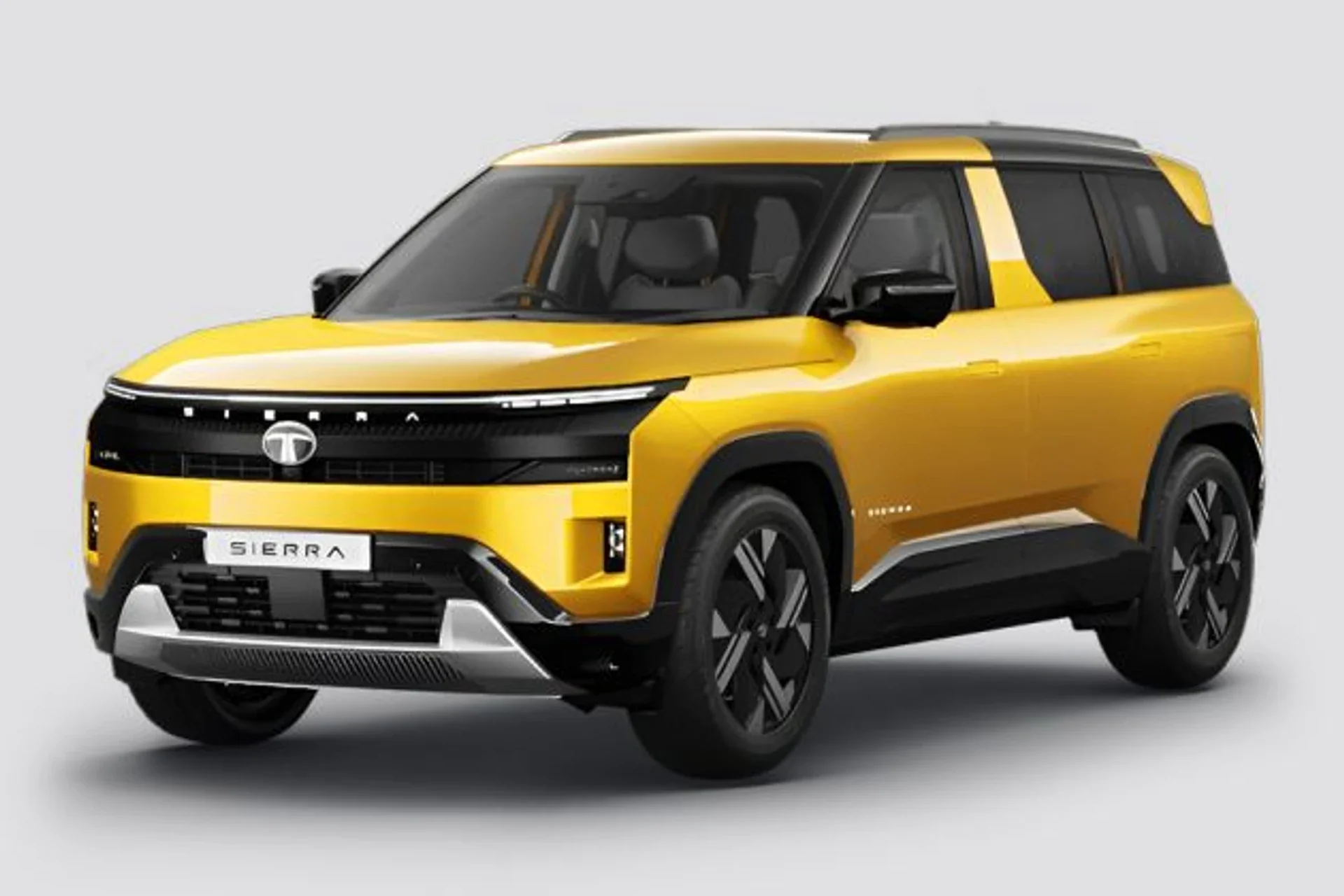
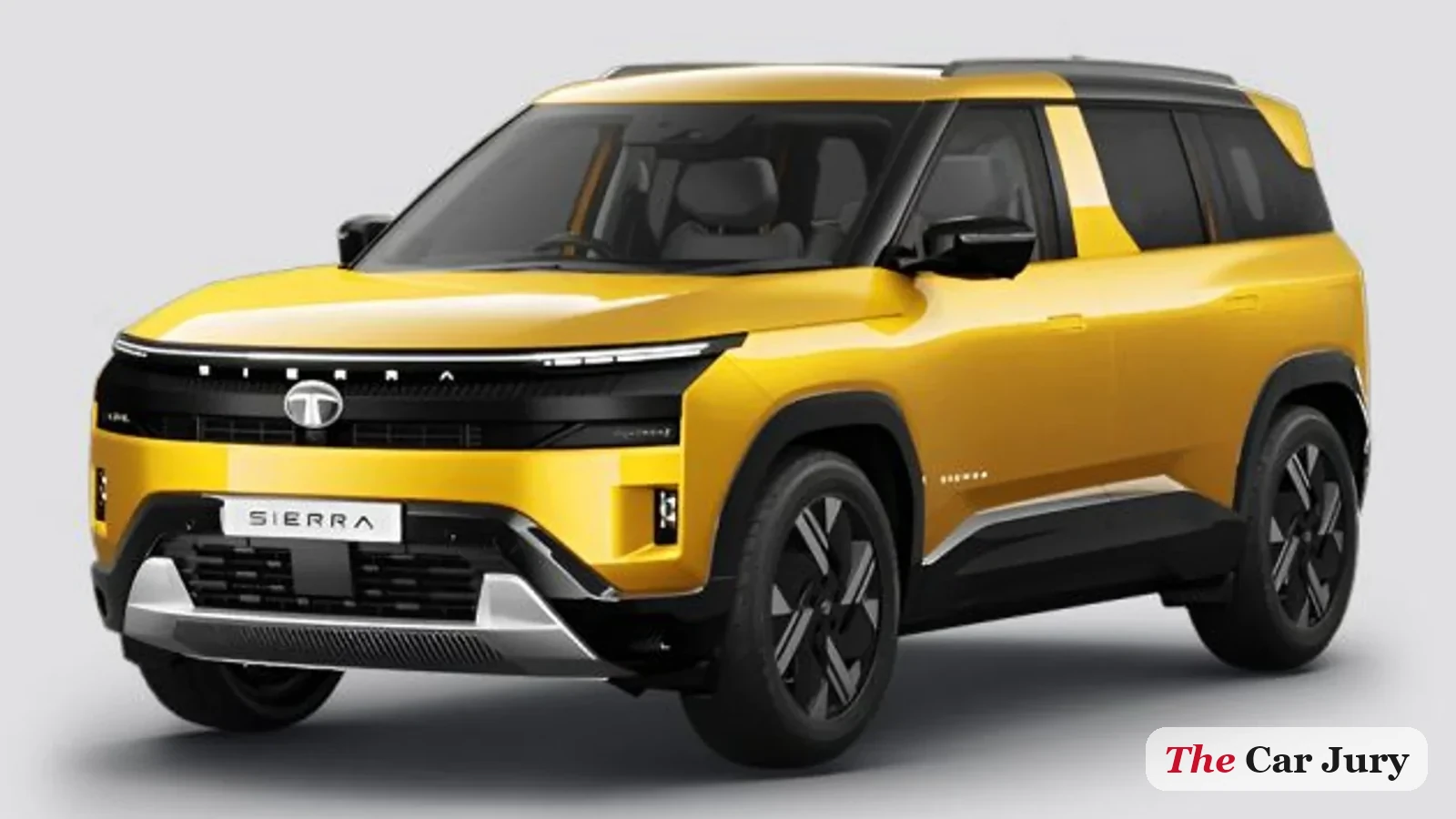
Speaking to ETAuto to mark 25 years since the Reva's launch, Maini said he would "never say no" to another EV venture, though he stopped short of announcing anything concrete. For context, the newest electric PV in the Indian market, the Tata Sierra EV, claims over 550 km of range and a 170 kmph top speed. The Reva's original owner base is small enough that pre-owned examples still surface in Bengaluru, occasionally bought by engineers as collector pieces.
The Car Jury verdict
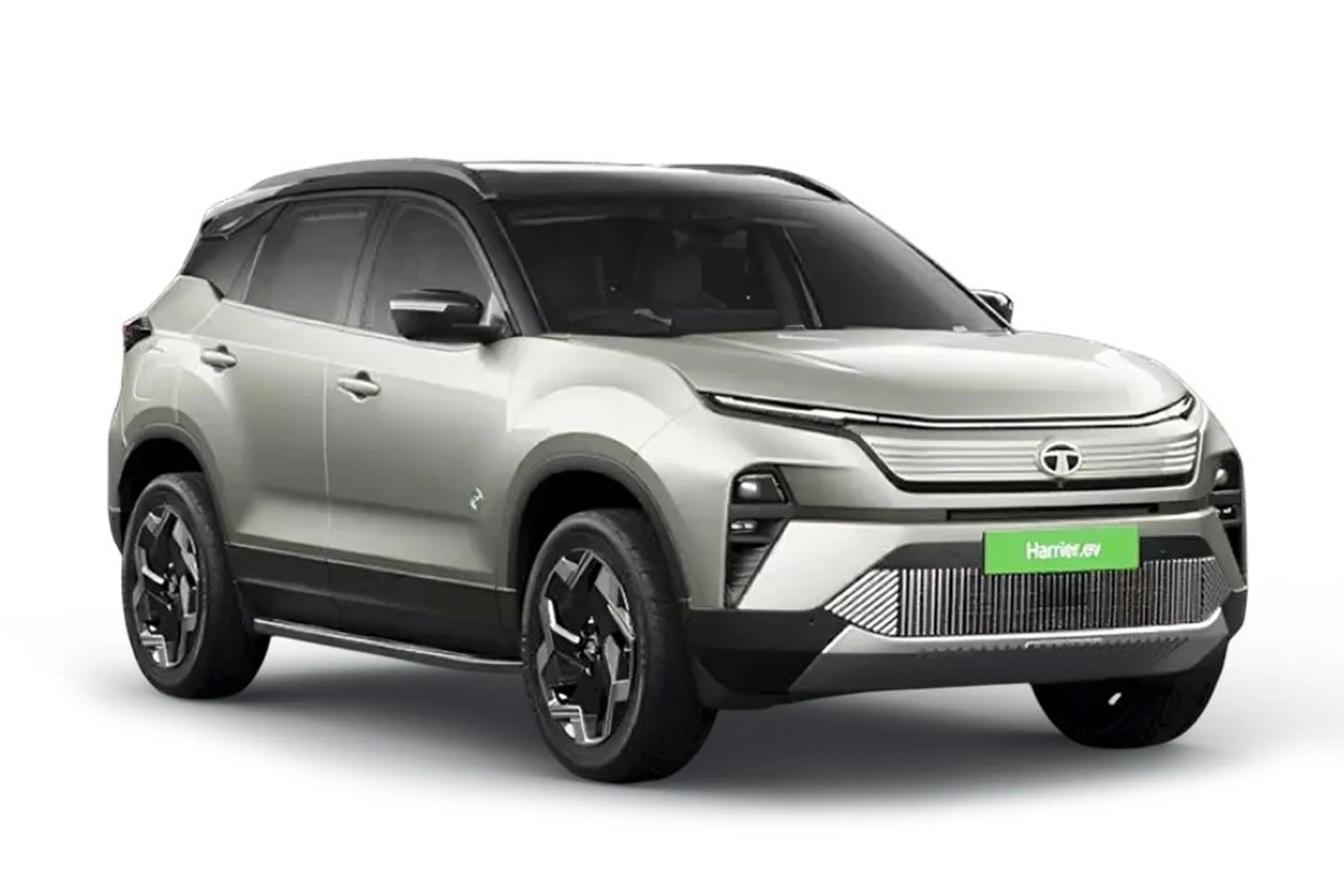
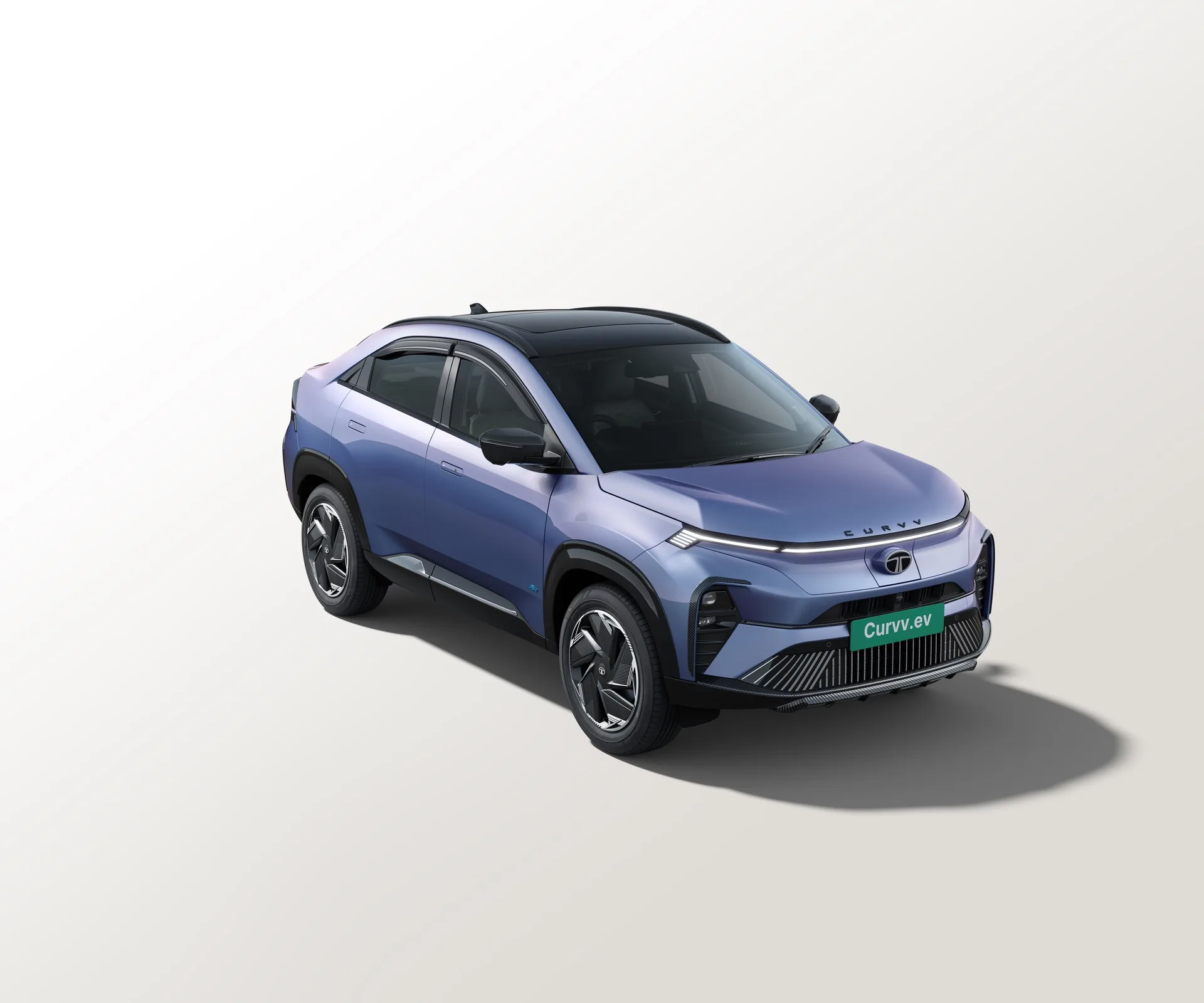
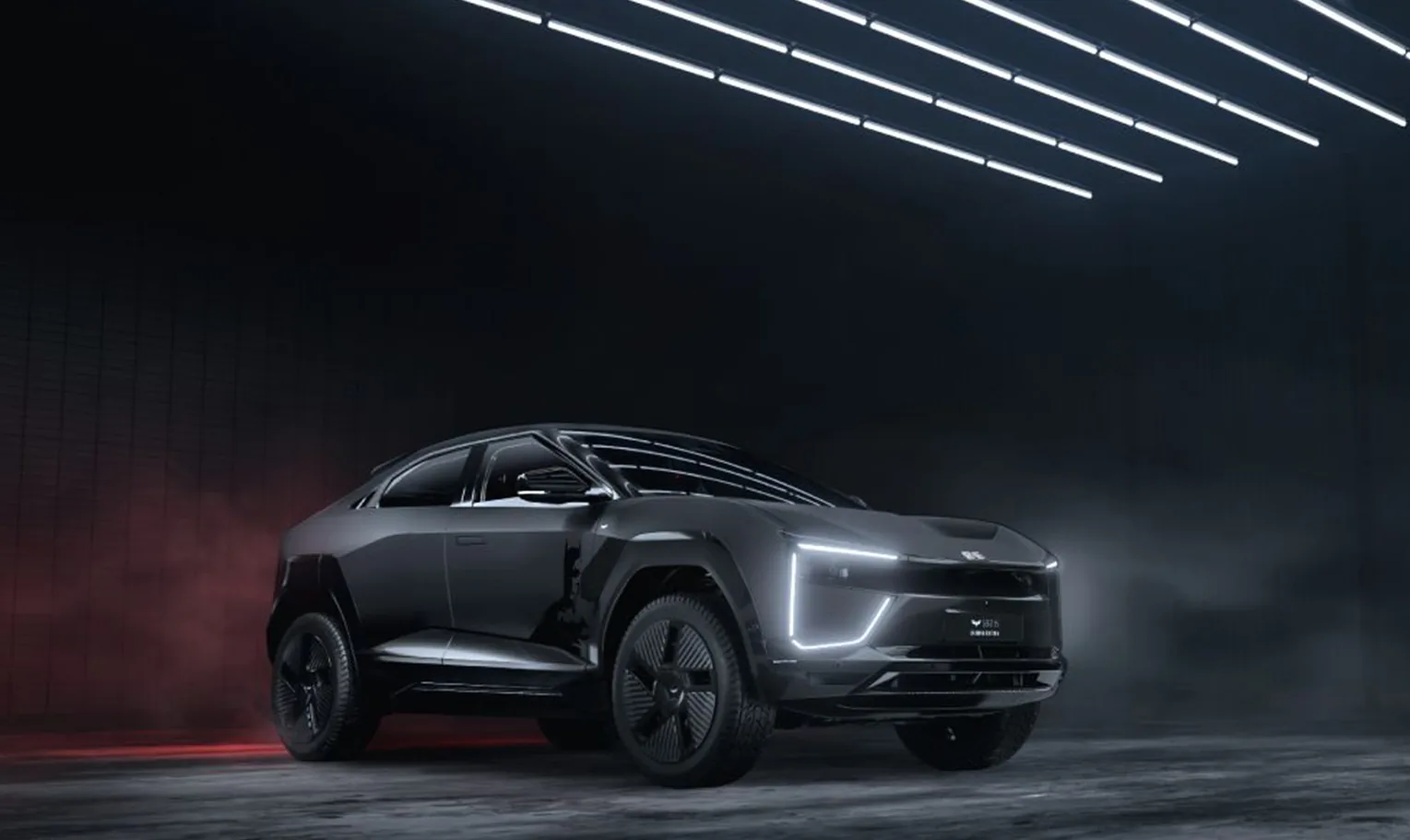
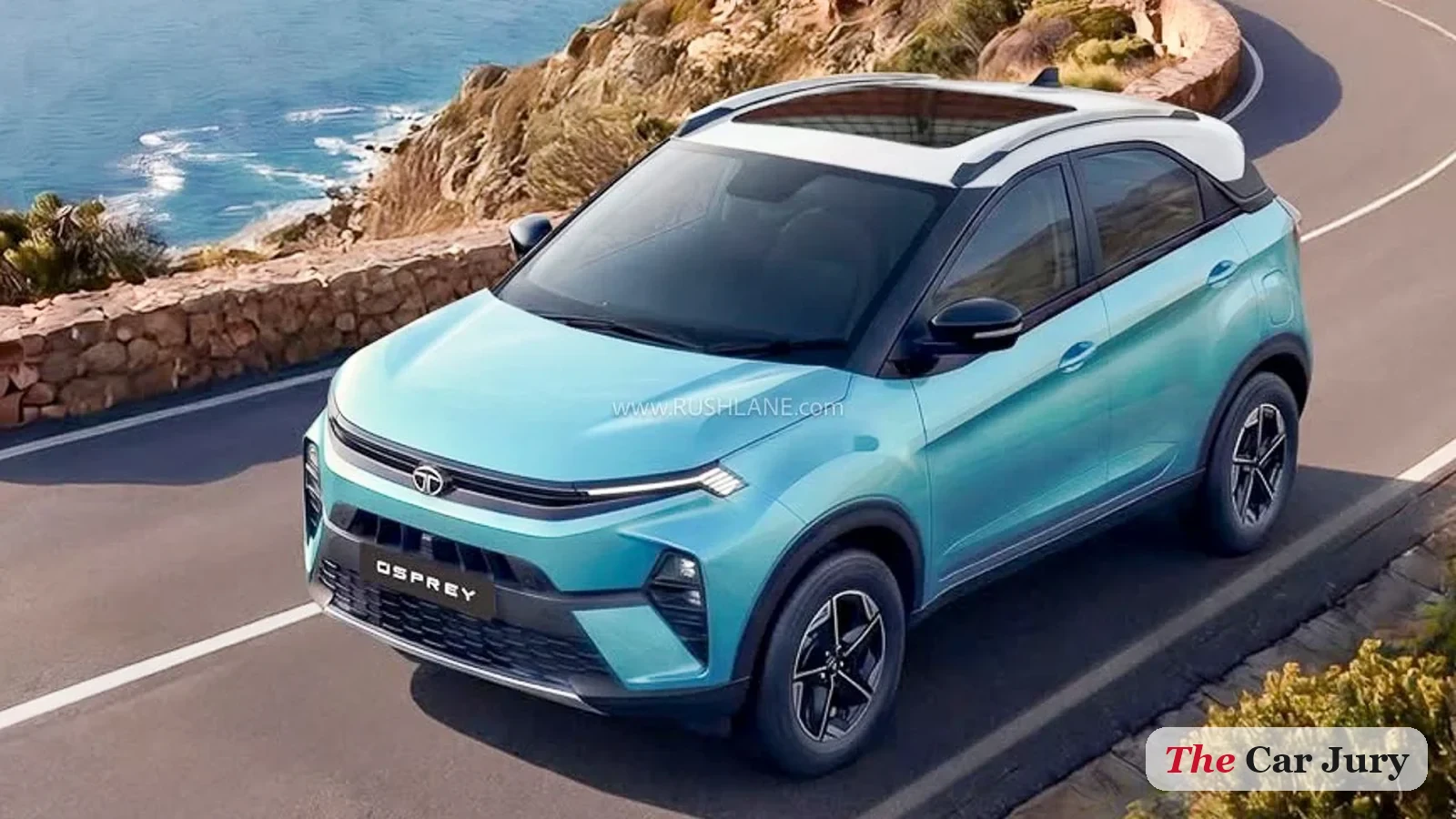
Twenty-five years on, the Reva looks laughable on a spec sheet next to a Tata Sierra EV or a Mahindra BE6, but that is exactly the point: someone had to go first, and Chetan Maini did it when petrol was cheap and lithium-ion was a lab curiosity. The Indian EV market he seeded is now being farmed by Tata (see our Harrier EV and Curvv EV verdicts) and Mahindra (our BE6 review).
As Biturbo Media notes of the current leader, "one strong point we always see with Tata is that they build their cars like tanks." That toughness plus scale is what Maini lacked in 2001. If he returns, he needs a manufacturing partner, not just a patent portfolio. India does not need another boutique EV; it needs a third serious player under Rs 15 lakh. That is the only comeback worth making.