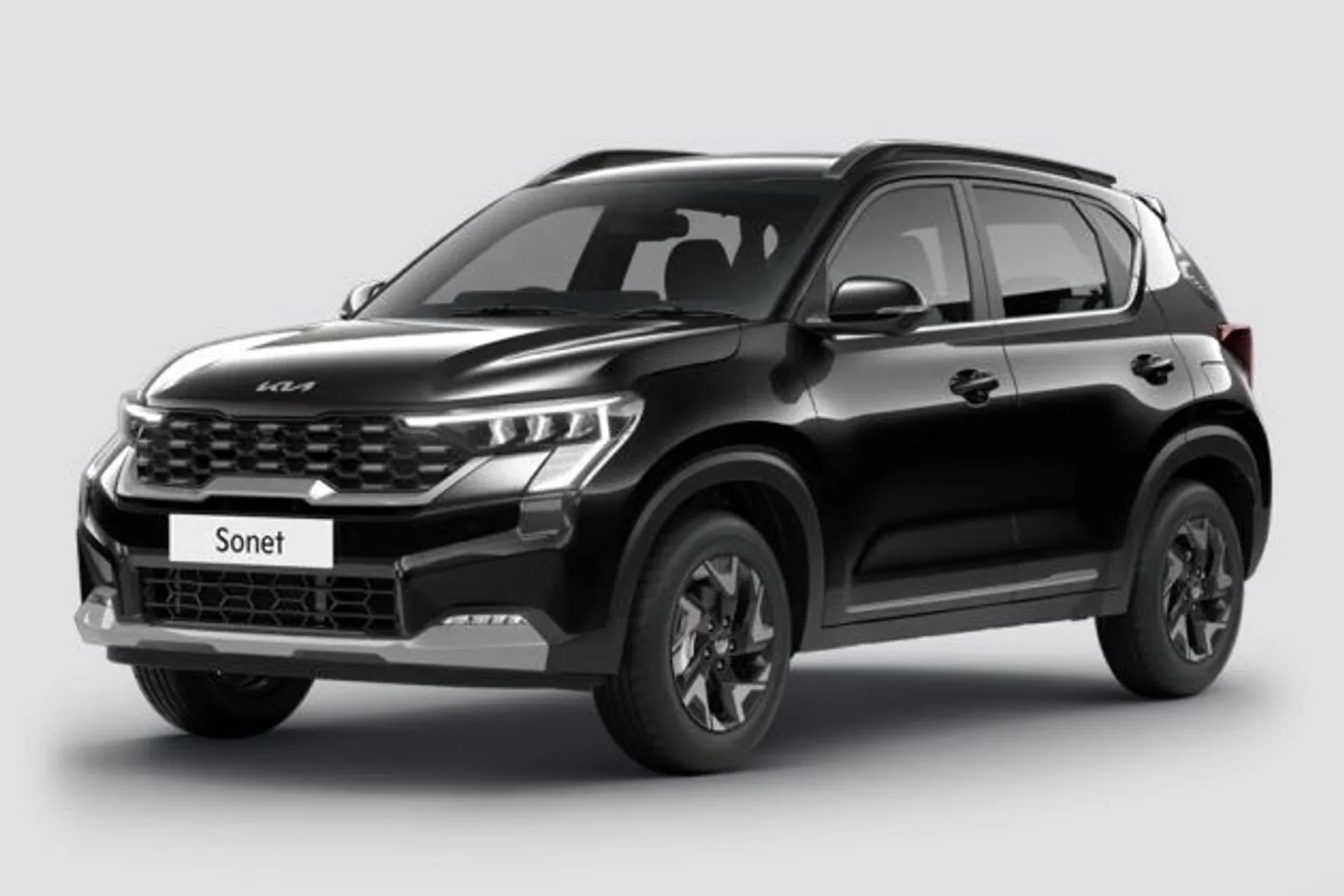
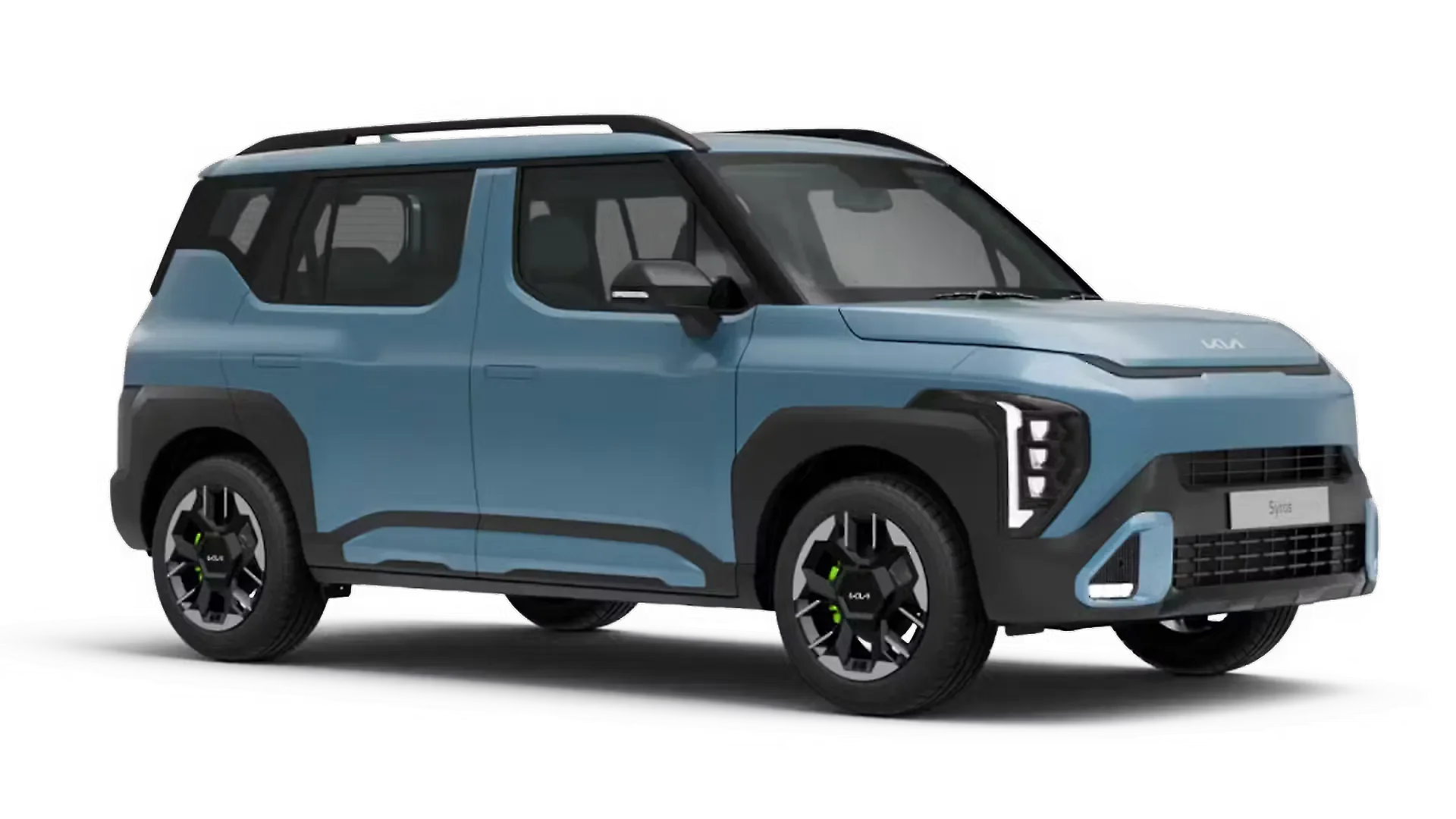
Kia Syros vs
Kia Sonet
The Syros spends its premium on rear-seat luxury and cabin technology; the Sonet is the better-driving, easier-to-place compact SUV for most owner-drivers.
Same price. Different life.
Most buyers decide here. Read this before anything else.
- You regularly travel in the rear seat.
- You want sliding, reclining and ventilated rear seats.
- You value the triple-screen dashboard and larger boot flexibility.
- You want Level 2 ADAS.
- You accept polarising styling and softer highway manners.
- You drive yourself most of the time.
- You want the sharper turbo-DCT experience.
- You prefer conventional styling and easier dimensions.
- You want better ride and handling balance.
- You want to spend less without losing core Kia features.
Four situations that tip the decision
The Syros scores 7.1/10, the Sonet 7.5/10. In real life, they are built for different people.
The Syros offers slide, recline, ventilation and sun blinds that the Sonet cannot match.
The Sonet is more cohesive to drive, easier to place and more settled on the highway.
The Syros rear bench can trade passenger space for a 390 to 465-litre boot.
What the jury said, head-to-head
Scores shown inline. "Best for" tells you who each result matters to.
| Axis | Kia Syros | Kia Sonet | Best for |
|---|---|---|---|
Design |
Tall, boxy and EV9-inspired; attention-grabbing but divisive. 7.0 / 10 |
More conventional and muscular, with broader visual appeal. 7.8 / 10 |
Easy-to-like stylingSonet is the safer design choice.
|
Interior |
Best-in-class materials, triple screens and exceptional rear-seat equipment. 8.5 / 10 |
Excellent cockpit ergonomics and tactile controls, but a tighter rear bench. 7.7 / 10 |
Rear cabinSyros creates a segment-above experience.
|
Build & Safety |
Six airbags, Level 2 ADAS, 360 camera and a strong local build score. 9.0 / 10 |
Six airbags, Level 1 ADAS and 360 camera with good cabin finish. 7.5 / 10 |
Active safetySyros has the fuller assistance suite.
|
Performance |
Same broad petrol and diesel logic, but petrol DCT calibration can feel lethargic in town. 7.0 / 10 |
Turbo-DCT is punchier and more responsive; diesel remains tractable. 8.0 / 10 |
Driver engagementSonet is the sharper choice.
|
Ride Quality |
Plush at low speed but inconsistent, with body movement above 80 km/h. 6.5 / 10 |
Retuned suspension is more composed and predictable across speeds. 7.8 / 10 |
Highway comfortSonet is better rounded.
|
Value for Money |
Makes sense only if the rear-seat and screen package are priorities. 7.0 / 10 |
Mid trims retain most useful features for materially less money. 7.2 / 10 |
Most buyersSonet is the rational value pick.
|
Practicality |
Sliding second row opens 390 to 465 litres and creates limousine-like flexibility. |
Smaller outside and easier in town, but rear space is only adequate. |
Space flexibilitySyros wins inside; Sonet wins in tight streets.
|
The aggregated verdict
The Syros scores 7.1/10 and the Sonet 7.5/10, from 7 independent creators. The overall number is only part of the story here: the dimension breakdown is where the real comparison lives.
How this decision was built
CarJury compared the two existing review dossiers, their dimension scores and the locally stored creator evidence. The recommendation changes with the buyer’s use case; it is not a manufacturer claim or a single-review opinion.
Bottom line: The Syros spends its premium on rear-seat luxury and cabin technology; the Sonet is the better-driving, easier-to-place compact SUV for most owner-drivers.
Frequently asked questions
Which should you buy: Kia Syros or Kia Sonet?
The Syros spends its premium on rear-seat luxury and cabin technology; the Sonet is the better-driving, easier-to-place compact SUV for most owner-drivers.
Which is better for performance, Kia Syros or Kia Sonet?
Sonet is the sharper choice. Same broad petrol and diesel logic, but petrol DCT calibration can feel lethargic in town. Turbo-DCT is punchier and more responsive; diesel remains tractable.
Which is safer, Kia Syros or Kia Sonet?
Syros has the fuller assistance suite. Six airbags, Level 2 ADAS, 360 camera and a strong local build score. Six airbags, Level 1 ADAS and 360 camera with good cabin finish.
Which is more practical for a family?
Syros wins inside; Sonet wins in tight streets. Sliding second row opens 390 to 465 litres and creates limousine-like flexibility. Smaller outside and easier in town, but rear space is only adequate.
What evidence does this comparison use?
This page synthesises CarJury’s local review evidence for the Kia Syros and Kia Sonet, including the independent creator transcripts already stored for those reviews. It does not use manufacturer input.