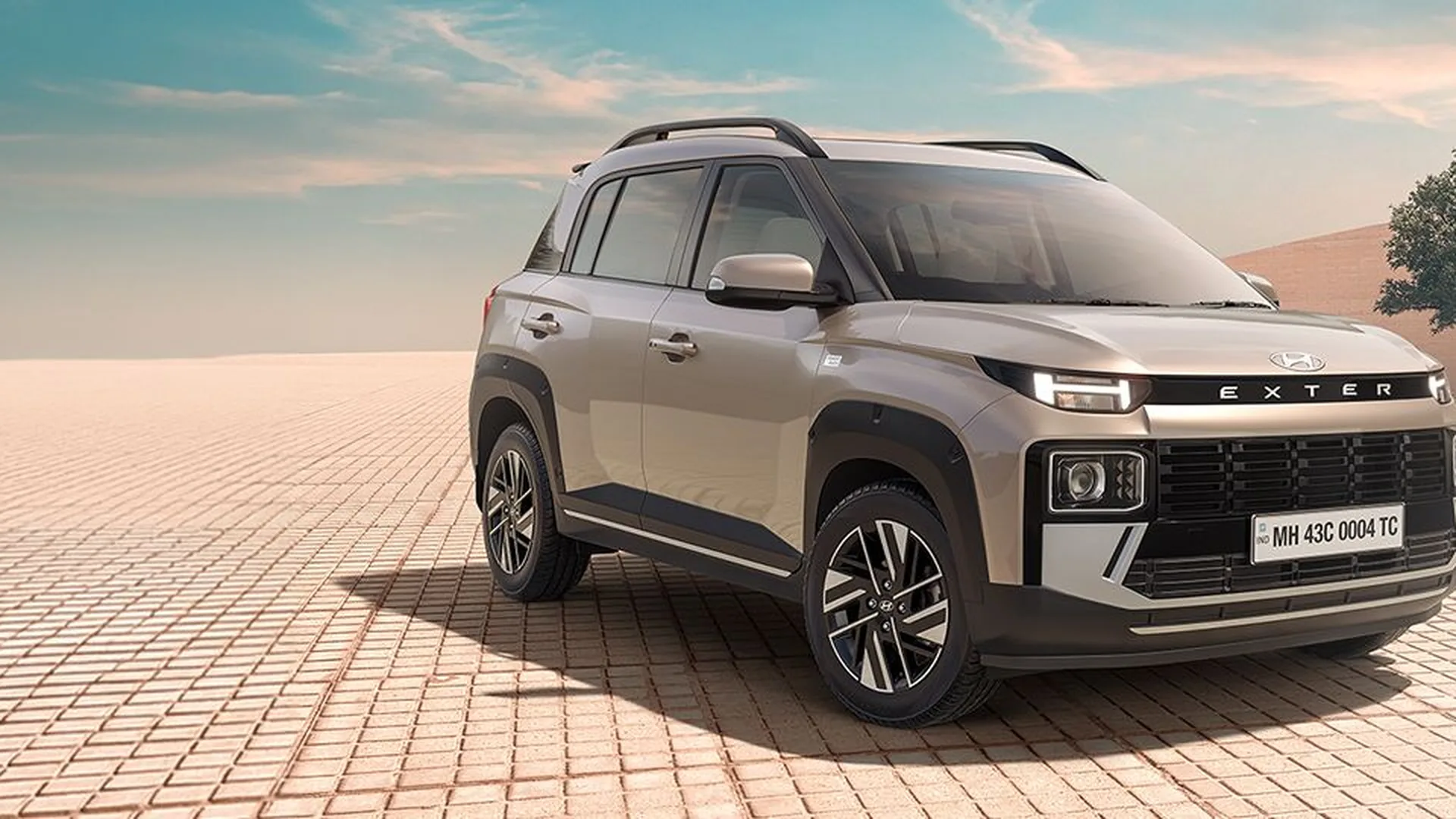
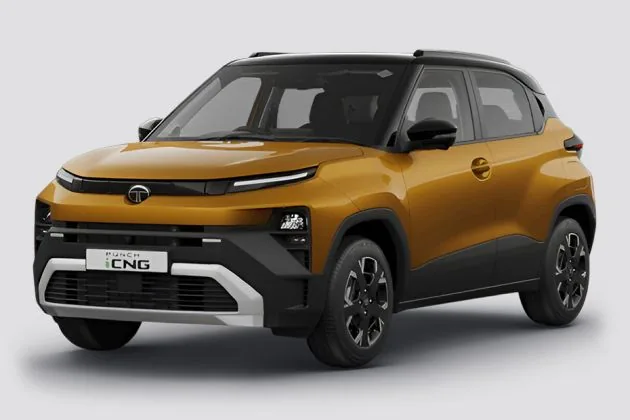
Tata Punch vs
Hyundai Exter
Choose the Punch for performance and safety; choose the Exter for refinement and city comfort.
Most buyers decide here. Read this before anything else.
- You commute 40-plus km daily and want a genuine performance bump over a standard hatchback, not just SUV styling.
- You have a family of four and sleep better knowing your car scored a 5-star Bharat NCAP rating with six airbags as standard.
- You park in tight basement lots and want a 360-degree camera at this price point rather than paying for it as an add-on.
- You run on CNG but are tired of choosing between fuel savings and convenience, making the industry-first CNG plus AMT combo a real draw.
- You occasionally drive on broken state highways and want more ground clearance confidence without stepping up to a sub-compact SUV budget.
- You are a younger buyer who values a bold exterior refresh and does not mind a notchy gearbox in exchange for a genuinely quick 120 PS turbo engine.
- You drive almost entirely within city limits and want a calm, refined engine that never feels strained in stop-and-go traffic.
- You share the car with a partner who prioritises a premium cabin feel and will notice the Exter's superior fit, finish, and material quality daily.
- You want a sunroof and a built-in dashcam without negotiating dealer add-ons, and you are willing to pay a slightly higher entry price for them.
- You are a cautious highway driver who rarely pushes past 100 km/h and values smooth, predictable power delivery over outright pace.
- You own a Hyundai or have a trusted Hyundai service centre nearby and want the reassurance of that network's reliability reputation.
- You find aggressive SUV styling exhausting and prefer the Exter's composed, mature parametric design to draw quieter, lasting attention.
The Punch scores 7.7/10, the Exter 6.9/10. In real life, they are built for different people.
The Punch turbo's 120 PS and 170 Nm make overtaking manoeuvres feel effortless, even if the notchy manual gearbox blunts the experience slightly. The Exter's 83 PS motor, tested at 12.6 seconds to 100 km/h in the manual, feels strained once speeds climb past 90 km/h. Faisal Khan described the Exter as a city-first car, and highway stretches make that label stick.
The Exter's refined 1.2-litre petrol idles so quietly it can feel stalled, and its light controls make bumper-to-bumper driving genuinely relaxed. The Punch CNG AMT covers the same brief but reviewers note sluggish AMT response that frustrates in dense traffic. For pure city calm, the Exter's powertrain composure is the better fit.
The Punch carries a 5-star Bharat NCAP rating and six standard airbags across variants, credentials that hold value well at resale in an increasingly safety-aware market. The Exter also offers six standard airbags, but it lacks an equivalent crash-test rating at the same prominence. Tata's recent safety reputation gives the Punch a stronger ownership narrative over three to five years.
The Exter's dashboard fit and finish leads the segment, with leatherette steering, contrast stitching, and an illuminated USB port creating a genuinely premium impression for the price. The Punch facelift brings a cleaner interior with a flat-bottom steering wheel and a 10.25-inch touchscreen, but material quality still trails Hyundai's execution. Buyers who spend long hours inside will feel the Exter's advantage immediately.
Scores shown inline. "Best for" tells you who each result matters to.
| Axis | Tata Punch | Hyundai Exter | Best for |
|---|---|---|---|
Design |
The facelift brings a slim LED DRL strip, vertically stacked headlights, and a connected rear LED bar that modernises the Punch without abandoning its upright SUV stance. Overall length grows by 49 mm, adding visual road presence. Some reviewers note the rear looks 'less Tata' than before, but the front is a clear step forward. 8.0 / 10 |
The Exter wears Hyundai's parametric language confidently: H-shaped DRLs, a shimmering grille, and pronounced wheel cladding lift it above its Grand i10 Nios origins. MotorOctane measured 217 microns of paint thickness, the strongest in this comparison. Faisal Khan flagged that body cladding symmetry is imperfect on closer inspection. 7.5 / 10 |
Bold statement buyersPunch's refreshed face reads more assertively at the kerb
|
Interior |
The updated cabin adds a 10.25-inch touchscreen, a 7-inch digital cluster, wireless Android Auto, and extended under-thigh seat cushioning that taller drivers will appreciate immediately. The white dashboard trim lifts the ambience meaningfully over the pre-facelift car. Overall material quality is solid but not class-leading. 7.5 / 10 |
The Exter's all-black cabin with body-colour vent accents, leatherette steering, and contrast stitching creates a premium feel that consistently impresses first-time occupants. The 8-inch touchscreen is smaller than the Punch's unit but surrounded by higher-quality plastics. Fit and finish lead the micro-SUV segment here. 7.8 / 10 |
Quality-conscious commutersExter's material quality and finish lead the segment daily
|
Performance |
The Nexon-sourced 1.2L turbo produces 120 PS and 170 Nm, covering 0-100 km/h in 12.5 seconds in real-world testing. V3Cars rates the engine as a genuine transformation for the nameplate. The 6-speed manual's notchy third-gear slot is the only consistent frustration across reviewer tests. 7.0 / 10 |
The Exter's 1.2-litre naturally aspirated petrol produces 83 PS and 113.8 Nm, refined and quiet but linear rather than exciting. MotorOctane recorded approximately 12.6 seconds to 100 km/h in the manual variant. The CNG version drops to 69 PS, and the AMT adds roughly a second to that sprint time. 6.8 / 10 |
Drivers who enjoy overtakingPunch turbo offers a real performance advantage on open roads
|
Ride Quality |
The Punch rides with a composed, planted quality over broken surfaces, benefiting from its taller suspension setup and 187 mm ground clearance. Reviewers consistently praise its ability to absorb sharp edges without unsettling passengers. It is not plush, but it is predictable and confidence-inspiring. 7.5 / 10 |
The Exter matches the Punch on ride quality scores, with 185 mm ground clearance and a well-tuned suspension that absorbs city potholes capably. The ride feels slightly softer in urban settings, which suits its city-first character. On broken highways, both cars perform at a similar level. 7.5 / 10 |
Mixed road usersBoth handle Indian urban and semi-urban roads with equal competence
|
Build Quality |
The Punch carries a 5-star Bharat NCAP rating and six standard airbags, giving it the strongest verified safety credentials in this comparison. Panel gaps and body rigidity have improved noticeably with the facelift. MotorOctane's paint thickness measurement for the Punch trailed the Exter, but the structural safety story is compelling. 7.5 / 10 |
The Exter matches the Punch with six standard airbags and impresses further with 217 microns of paint thickness, the highest recorded in MotorOctane's 50-plus test comparison. Panel fit and interior assembly quality are consistent and tight. The absence of a prominent crash-test rating is the one gap in its safety narrative. 7.5 / 10 |
Safety-focused familiesPunch's 5-star NCAP rating gives verified crash protection confidence
|
Value for Money |
The Punch starts at ₹5.59 lakh and tops out at ₹12.23 lakh, offering the turbo engine, 360-degree camera, 5-star safety, and the CNG plus AMT combo at prices that genuinely undercut comparable features elsewhere. Faisal Khan called it the most well-rounded micro-SUV available at launch. The entry price advantage over the Exter is significant for budget-constrained buyers. 8.0 / 10 |
The Exter starts at ₹7.13 lakh, a higher floor than the Punch, but bundles a sunroof, dashcam, and premium cabin materials into mid-range variants without heavy option-loading. Namaste Car noted the feature-per-rupee ratio is strong in the Z and Z Plus trims. Buyers who want those specific features will find the pricing fair rather than generous. 7.5 / 10 |
Entry-level feature seekersPunch's lower start price and broader powertrain range offer more buying flexibility
|
Practicality |
The Punch's 49 mm length increase with the facelift translates to a marginally larger footprint without becoming difficult to park. The 360-degree camera makes tight urban parking stress-free. Boot space and rear legroom remain adequate for a small family but do not define the car. |
The Exter stands taller than its Grand i10 Nios base and offers a commanding seating position that passengers genuinely notice. The sunroof adds an airy, spacious feel that increases perceived cabin size meaningfully. Rear headroom benefits from the taller roofline, making it comfortable for four adults on short to medium trips. |
Four-adult city tripsExter's taller roofline and sunroof make the cabin feel more generous day to day
|
The Punch scores 7.7/10 and the Exter 6.9/10, from 8 independent creators. The overall number is only part of the story here: the dimension breakdown is where the real comparison lives.
MotorOctane: Tata Punch vs Nissan Magnite vs Hyundai Exter vs Citroen C3 - Maha Comparison