Tata Safari.EV Incoming: The Seven-Seat Electric SUV Mahindra Should Fear
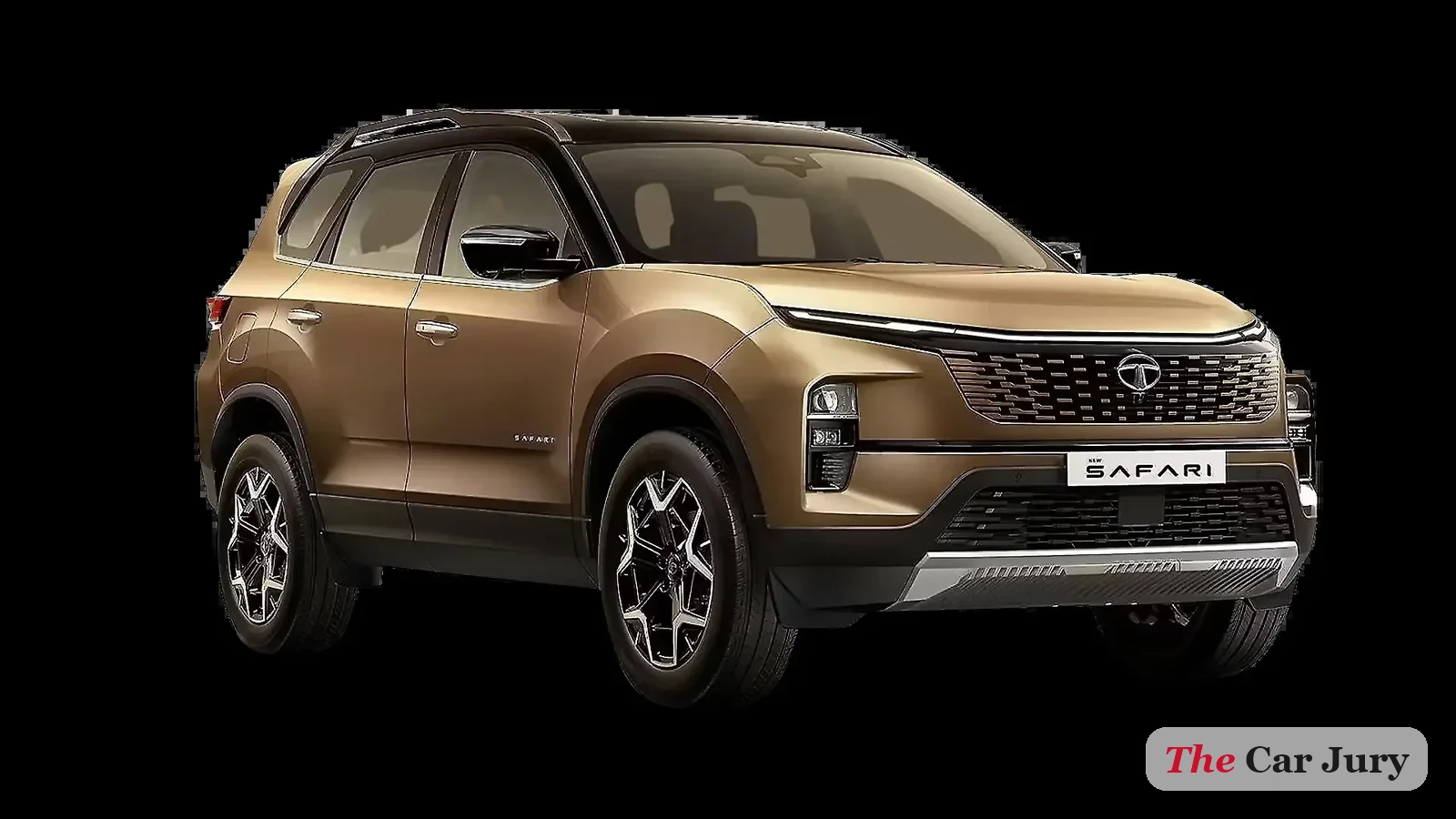
Tata Motors has confirmed the Safari.EV for a festive season launch, making it the carmaker's first seven-seat electric SUV. It will slot at the top of Tata's EV range and target the Mahindra XEV 9S directly, completing the brand's plan to offer every nameplate in both petrol/diesel and electric forms.
What was announced
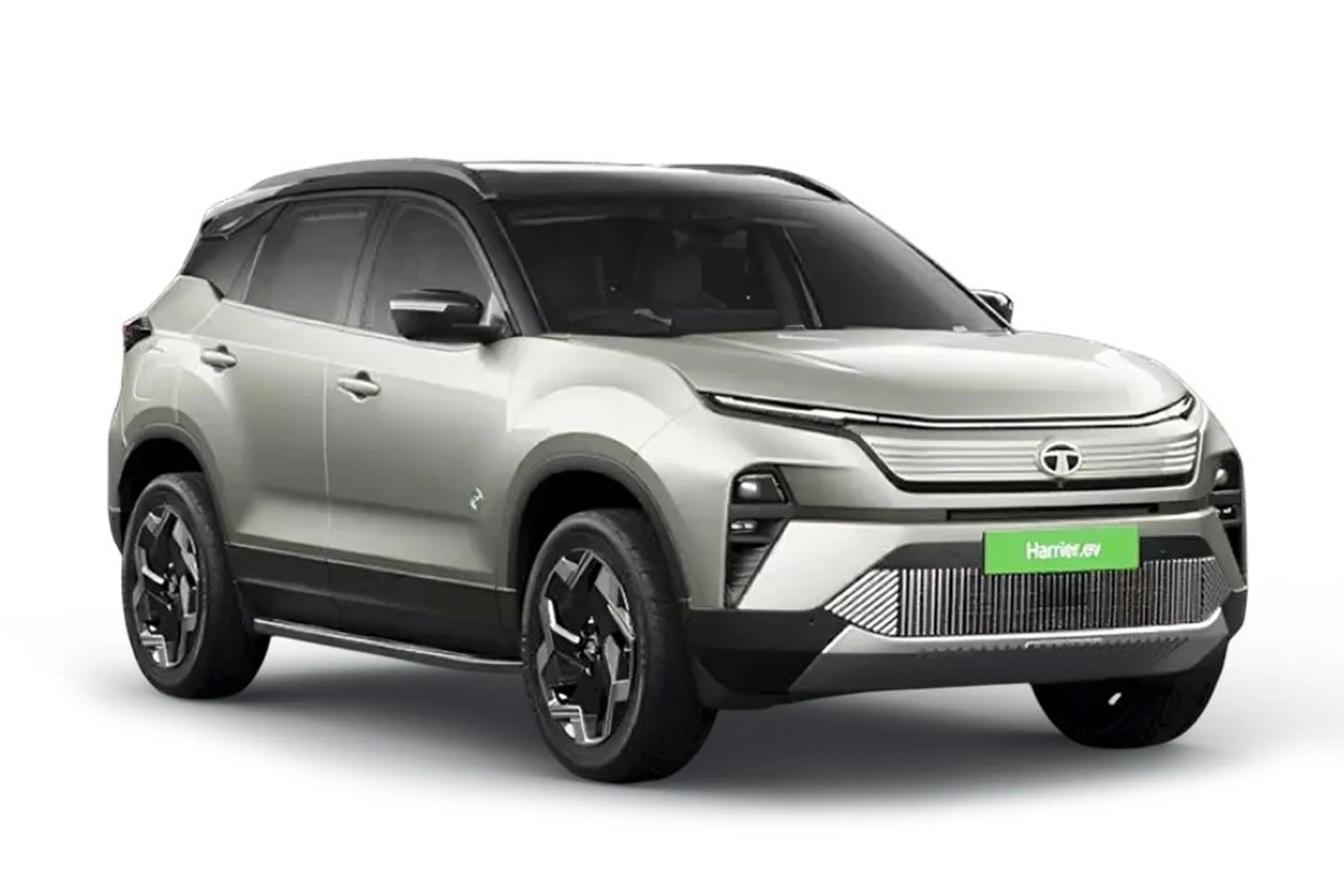
Tata Motors will launch the Safari.EV during the 2026 festive season, positioning it as the brand's first seven-seat electric car and the flagship of its EV range. It will sit above the Harrier.EV and take on the Mahindra XEV 9S, which is currently the only mainstream three-row electric SUV on sale in India. With this launch, every Tata car and SUV nameplate, from the Tiago at the entry end to the Safari at the top, will be available in both internal combustion and electric form.
Tata will be the only Indian carmaker selling every nameplate it makes in both combustion and electric form, and rivals have no answer to that spread.
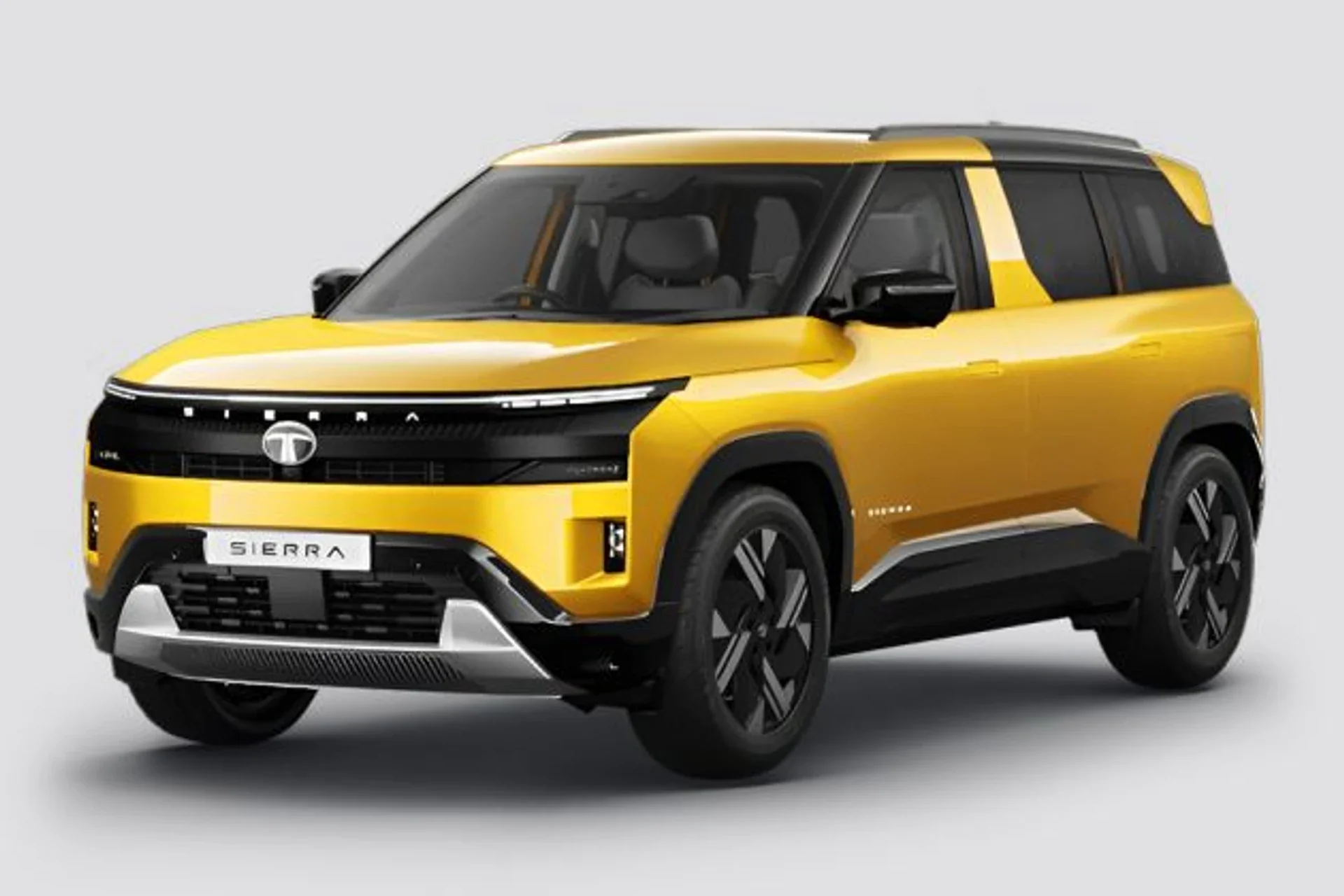
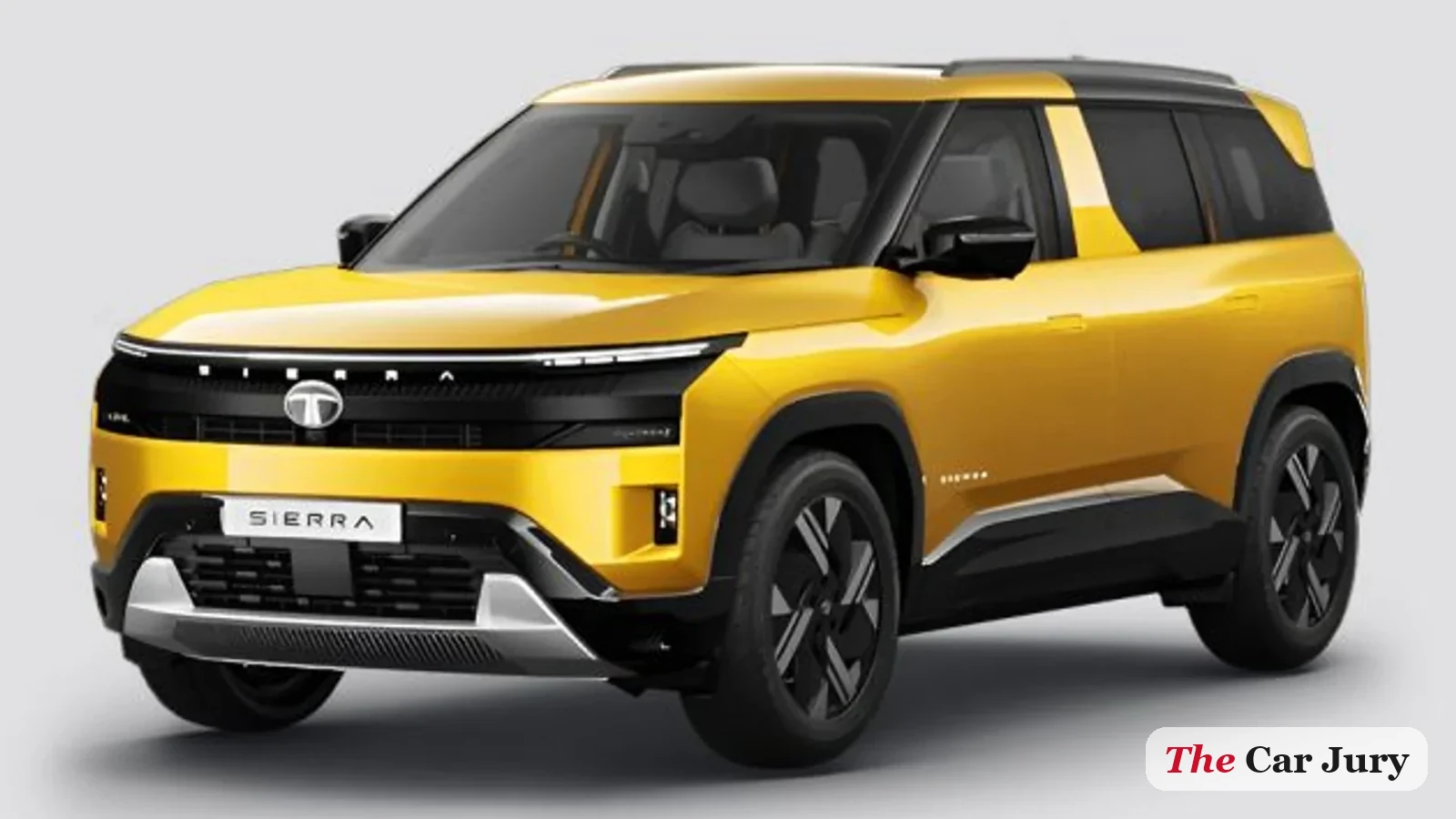
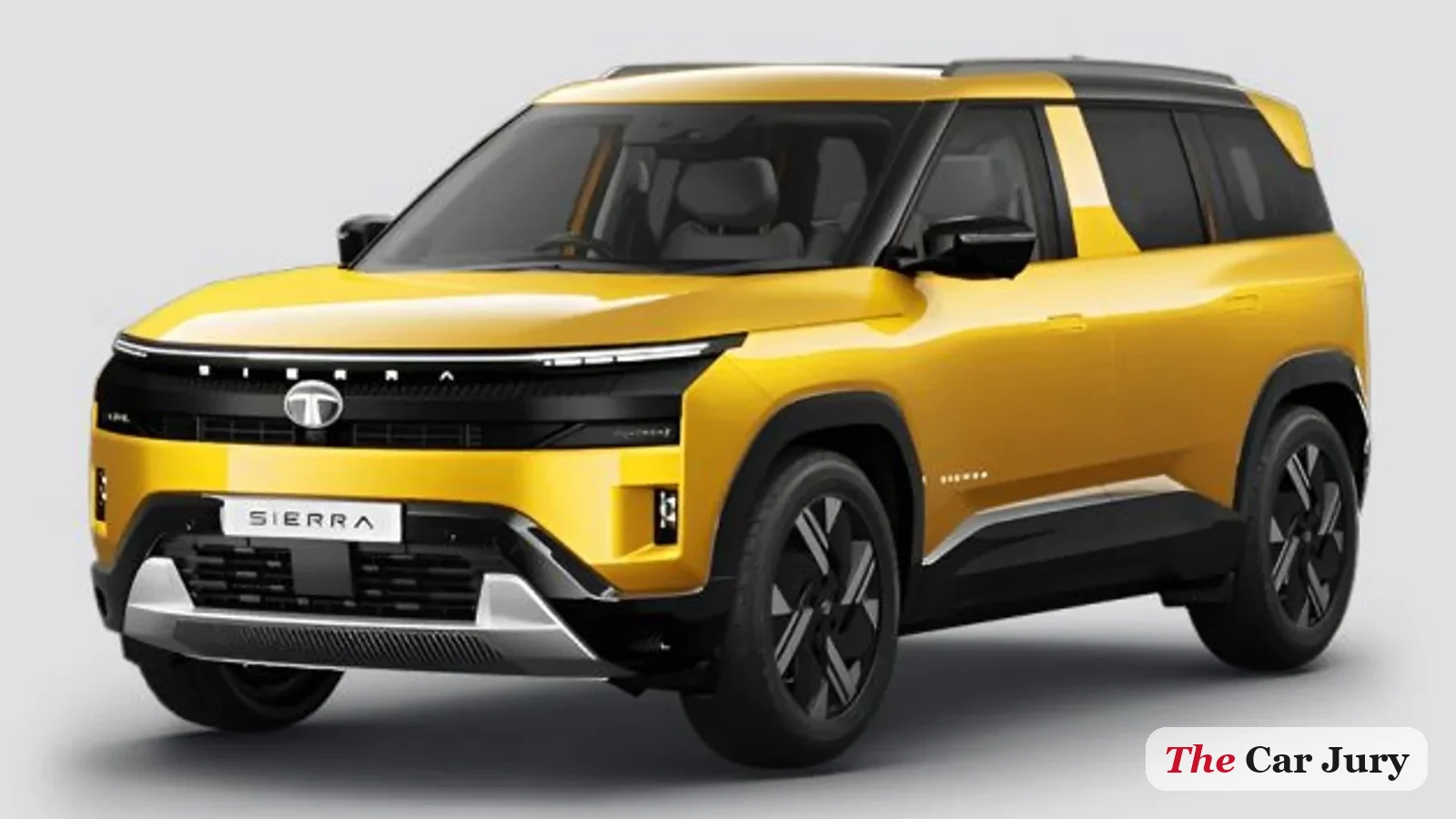
The Safari.EV has been spied testing in India multiple times over recent months. Test mules confirm that the overall silhouette, proportions, stance, roof rails and shark fin antenna are carried over from the combustion Safari. The electric version is expected to bring revised tail lamps, reworked front and rear bumpers, a closed-off EV-specific grille panel, aero-optimised alloy wheels and dedicated '.EV' badging on the exterior.
Tata has not officially disclosed the battery pack, range, or pricing yet. However, given the Safari.EV shares its acti.ev+ platform with the Harrier.EV, it is expected to use a similar 65kWh or 75kWh battery option, with rear-wheel-drive and all-wheel-drive versions. Pricing is expected to open above the Harrier.EV's current range, in the vicinity of 27 lakh to 32 lakh rupees ex-showroom for the top trims.
The Car Jury verdict
Tata has spent three years quietly stitching together the most complete EV line-up in India, from the Tiago.EV to the Harrier.EV, and the Safari.EV is the piece that closes the map. Every Tata nameplate will now exist in both combustion and electric form, which is a distribution advantage no rival, including Mahindra, can match this financial year. Our verdict on the closely related Harrier.EV is already a BUY, and a stretched seven-seat version with the same 75kWh-plus pack should inherit that scorecard.
Mahindra's XEV 9S will be sharper to drive and flashier inside; we said as much reviewing the BE6. But Safari badge equity, Tata's charging network, and a likely price undercut of a lakh or two matter more to a family buyer writing a 30-lakh cheque.