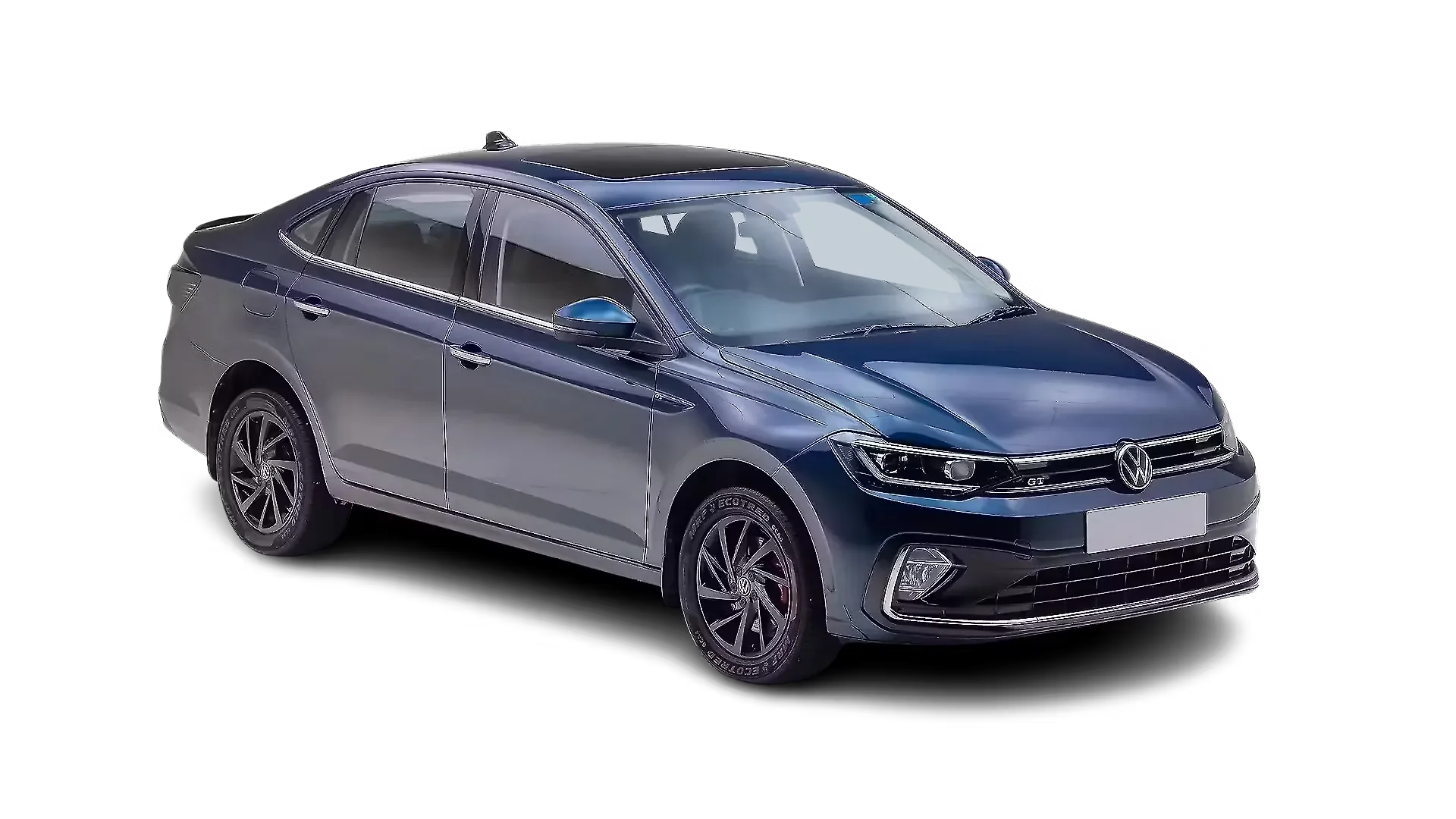
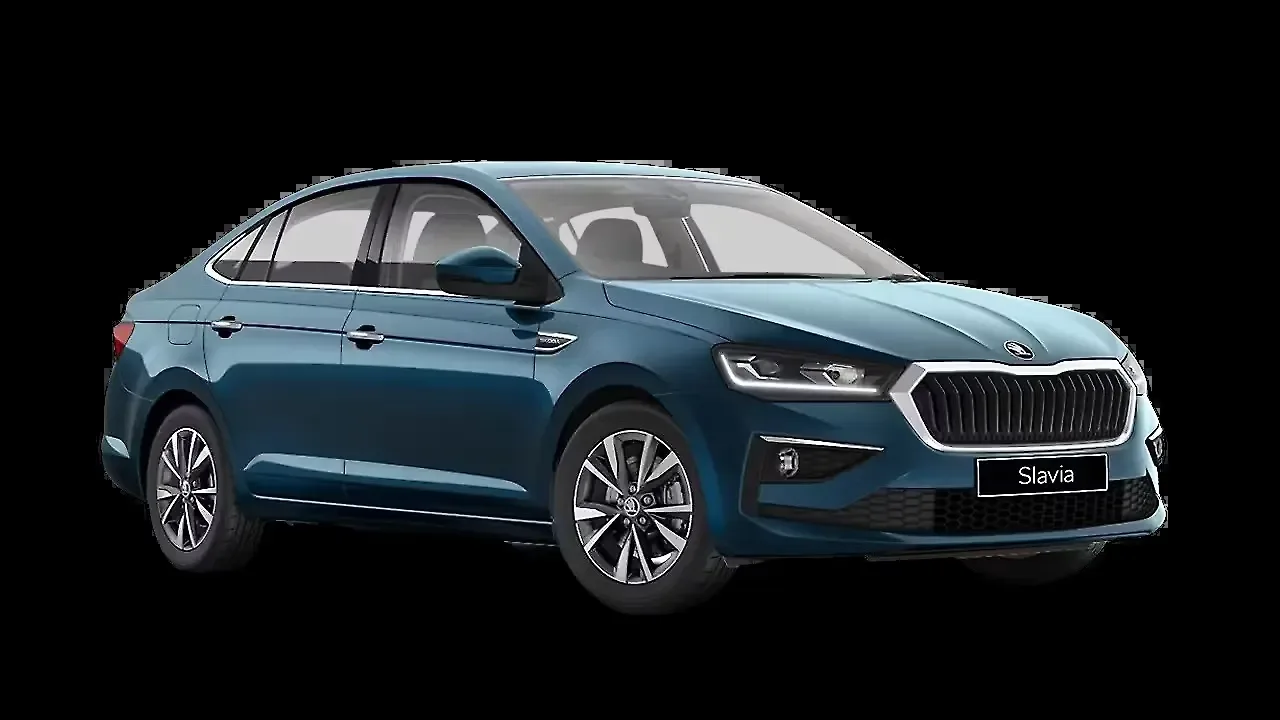
Skoda Slavia vs
Volkswagen Virtus
One drives sharper, the other rides softer: choose your priority before signing.
Most buyers decide here. Read this before anything else.
- You commute on broken urban roads daily and need a sedan that genuinely absorbs potholes without drama.
- You prioritise a comfortable, planted highway cruise over outright cornering aggression.
- You want a practical boot and class-leading ground clearance without stepping into an SUV.
- You value a clean, understated cabin that ages well rather than a tech-forward dashboard.
- You are buying for a family that includes elderly passengers who will notice every bad road surface.
- You want a 5-star safety rating at a slightly lower entry price than the equivalent Virtus trim.
- You are an enthusiast who wants the sharpest steering feel and the most confidence-inspiring body control in this segment.
- You carry luggage regularly and need that 521-litre boot to do real work on long road trips.
- You care about long-term structural integrity and German build solidity more than feature count.
- You plan to push the car on expressways often, and want an engine that stays composed at triple-digit speeds for hours.
- You want the GT trim's visual aggression, red calipers, blacked alloys, and a bootlid lip that signals intent.
- You see resale value as a serious factor and trust the Volkswagen badge to hold its ground over five years.
The Slavia scores 7.9/10, the Virtus 8.4/10. In real life, they are built for different people.
The Slavia's 8.4-second DSG sprint and flexible 1.5 TSI engine make overtaking effortless, and the ride composure keeps rear passengers fresh across bad patches. The Virtus matches the pace and adds a 521-litre boot that genuinely swallows a family's luggage. Faisal Khan's verified 204 km/h run on the Natrax bowl proves the Virtus engine never feels strained at speed.
The Slavia's ride quality score of 8.4 reflects a suspension tune that is noticeably more forgiving over broken tarmac and speed bumps than the Virtus. The Virtus prioritises handling sharpness, which means a firmer low-speed character that enthusiasts love but daily commuters may tire of. For city families, the Slavia's softer setup is the more liveable choice.
The Virtus scores 8.5 for performance and its chassis communicates road texture directly through the steering, rewarding drivers who want to place the car precisely. The Slavia is no slouch, and the 1.5 TSI manual is 0.3 seconds quicker to 100 km/h than the DSG, but its softer suspension tune prioritises comfort over corner commitment. Drivers who track progress by corner exit speed will prefer the Virtus.
Both cars share 5-star Global NCAP ratings, but the Virtus scores 8.5 for build quality against the Slavia's 7.4, suggesting a structural edge that matters when repair costs are considered. The Slavia's value for money score of 7.0 reflects a feature list that feels thin at near 20 lakh top-variant pricing. The Virtus at 7.5 offers slightly better justification for the premium, though after-sales perception remains a shared concern for the MQB platform twins.
Scores shown inline. "Best for" tells you who each result matters to.
| Axis | Skoda Slavia | Volkswagen Virtus | Best for |
|---|---|---|---|
Design |
The Slavia's crystalline lighting signature and slim grille give it a precise, European understatement. Arun Panwar's long-term black Elegance review shows the surfacing ages gracefully over years. The caveat is that those crystalline elements include halogen components at a near 20 lakh price point, which is a genuine compromise. 7.8 / 10 |
The Virtus looks like a proper three-box sedan rather than a stretched hatchback, with a long bonnet and a planted stance. Namaste Car highlights the 4.5-metre proportions as genuinely mature for the segment. The GT trim adds red brake calipers and a bootlid lip that give it a racier personality the Slavia never attempts. 8.0 / 10 |
Enthusiast buyersVirtus GT trim delivers visual drama the Slavia deliberately avoids
|
Interior |
The Slavia cabin is simple and well laid-out, with ventilated front seats, a correct driving position, and well-bolstered chairs front and rear. Rear under-thigh support is average, which is a recurring complaint across MotorBeam and MotorOctane reviews. The function-over-flash philosophy suits buyers who dislike cluttered dashboards. 7.2 / 10 |
The Virtus delivers a 10-inch touchscreen that does not lag, wireless CarPlay and Android Auto, a customisable digital cluster, and Type-C ports across both rows. The driving position is excellent, and the seats offer genuine bolstering. However, the overall cabin tech still trails Japanese rivals at this price, which MotorOctane and The Driving Diary both flag. 7.0 / 10 |
Tech-forward commutersVirtus infotainment is faster and better connected than the Slavia
|
Performance |
The 1.5 TSI Evo produces 150 PS and 250 Nm and pulls cleanly from 1500 rpm to 6000 rpm with a sweet exhaust note above 3000 rpm. Gagan Choudhary's manual drive confirms the flexibility that makes overtaking feel effortless. The DSG runs 0-100 in 8.4 seconds; the manual is 0.3 seconds quicker. 8.2 / 10 |
The Virtus 1.0 TSI makes 115 hp and 178 Nm, and Faisal Khan recorded a verified 204 km/h on the Natrax high-speed bowl after 24 hours of continuous running. The engine's refinement and composure at sustained high speed is remarkable for a three-cylinder unit. The 1.5 TSI GT variant closes the gap further for buyers who want top-tier pace. 8.5 / 10 |
Highway performance driversVirtus sustains high-speed composure better than any rival at this price
|
Ride Quality |
The Slavia's 8.4 ride score is the highest in this comparison and reflects a suspension tune calibrated for Indian road realities. Biturbo Media and MotorBeam both note that bad urban patches and highway expansion joints are absorbed with genuine composure. This is the segment's most comfortable sedan for rear passengers over mixed surfaces. 8.4 / 10 |
The Virtus rides well on smooth tarmac and highway surfaces, but its firmer setup prioritises handling over cushioning. MotoWagon and The Driving Diary note that low-speed urban imperfections communicate more readily into the cabin than the Slavia. It is not harsh, but the priority is clearly driver confidence rather than passenger comfort. 8.0 / 10 |
Families with elderly passengersSlavia absorbs poor urban roads without fatiguing rear occupants
|
Build Quality |
The Slavia scores 7.4 for build quality, which is respectable but sits below the Virtus. Panel gaps and shut-line consistency are generally good, and the 5-star crash rating confirms structural integrity. Some reviewers including MotorOctane flag that interior plastics feel noticeably harder than the price point suggests. 7.4 / 10 |
The Virtus scores 8.5 for build quality, the joint highest dimension score across both cars. German solidity is not marketing language here; Namaste Car and MotoWagon both describe a door-thud and structural rigidity that feels a class above. Over a five-year ownership cycle, this score translates into lower repair costs and better long-term confidence. 8.5 / 10 |
Long-term ownership plannersVirtus build solidity justifies the premium over five-plus years
|
Value for Money |
The Slavia scores 7.0 for value, and the near 20 lakh top-variant price is the core problem. The feature list does not justify the ask when comparably priced Virtus and City variants offer more cabin technology. The lower trims offer better value, but the 1.5 TSI is only available at the top of the range. 7.0 / 10 |
The Virtus scores 7.5 for value, reflecting a better feature-to-price balance at comparable trim levels. The 521-litre boot, build quality, and performance credentials give the premium more justification. After-sales cost perception remains a concern for the segment as a whole, but the Virtus edges the Slavia on what you get for the money. 7.5 / 10 |
Value-conscious performance buyersVirtus delivers more tangible features and build for the same spend
|
Practicality |
The Slavia offers 521 litres of boot space and a class-leading 179 mm of ground clearance, which is genuinely useful on Indian roads. Rear legroom is adequate for two adults but the middle seat under-thigh support is average. The ground clearance advantage is real and unique in this segment. |
The Virtus also offers 521 litres of boot space, matching the Slavia exactly on luggage capacity. Type-C ports in both rows and wireless charging improve everyday usability for a family with multiple devices. Ground clearance is lower than the Slavia, which matters on broken approach roads and flooded streets. |
Urban families needing clearanceSlavia's 179 mm ground clearance is a practical daily-use advantage
|
The Slavia scores 7.9/10 and the Virtus 8.4/10, from 11 independent creators. The overall number is only part of the story here: the dimension breakdown is where the real comparison lives.