Tata Altroz vs
Maruti Baleno
Choose between emotional design and diesel muscle, or everyday refinement and value.
Most buyers decide here. Read this before anything else.
- You drive 80-plus kilometres daily on potholed city roads and want the smoothest ride in the segment without thinking twice.
- You carry school-age children and cannot compromise on crash safety, making the 5-star Global NCAP rating non-negotiable.
- You run up highway mileage every month and want the segment's only diesel option to keep fuel bills in check.
- You care deeply about how your car looks parked outside your building and want something that reads genuinely premium, not just refreshed.
- You are comparing CNG options across the segment and want the widest powertrain menu, including a dual-clutch petrol gearbox.
- You are an enthusiast who enjoys a car with a distinct character, even if it costs a small premium over the mainstream choice.
- You share driving duties with a family member who dislikes learning new tech and values a light, predictable car above all else.
- You need to seat three adults in the rear row regularly and cannot afford a snug back bench on long family trips.
- You prioritise low running costs and resale value above everything else, knowing Maruti's service network covers nearly every pin code in India.
- You do most of your driving inside city limits and want a refined, four-cylinder petrol that stays quiet in traffic without diesel complexity.
- You are buying your first automatic and want a no-fuss AMT that is easy to service rather than a more complex dual-clutch unit.
- You are upgrading from a Swift or WagonR and want a familiar ownership experience in a more premium package.
The Altroz scores 8.0/10, the Baleno 7.2/10. In real life, they are built for different people.
The Altroz diesel delivers 200 Nm from 2,000 rpm, making overtaking relaxed and keeping fuel costs low across state borders. The Baleno's 90 PS petrol is smooth and refined but asks for more revs on inclines, which adds fatigue over a four-hour run. MotorBeam notes the Altroz body shell also inspires more confidence at higher speeds.
The Baleno's K12N DualJet petrol is notably more refined at idle and in the mid-range than the Altroz's naturally aspirated three-cylinder, which Namaste Car flagged as the weakest point of the petrol variants. The Baleno's lighter kerb weight also makes it more nimble in tight urban gaps. For a buyer who never leaves the city, the Baleno's daily manners are genuinely easier to live with.
Maruti's resale dominance in India is structural, not anecdotal. The Baleno consistently holds 60-65 percent of its value at three years, backed by the widest service and used-car network in the country. The Altroz has improved significantly under Tata's rising brand equity, but it still trails Maruti in resale calculators most buyers use at finance desks.
The Baleno's longer wheelbase translates directly into rear knee room, and three adults fit without the middle passenger complaining within the first hour. MotorBeam observed that taller occupants find the Altroz rear headroom and legroom noticeably tighter. For families where rear-seat comfort is tested weekly, the Baleno's cabin dimensions are a practical advantage.
Scores shown inline. "Best for" tells you who each result matters to.
| Axis | Tata Altroz | Maruti Baleno | Best for |
|---|---|---|---|
Design |
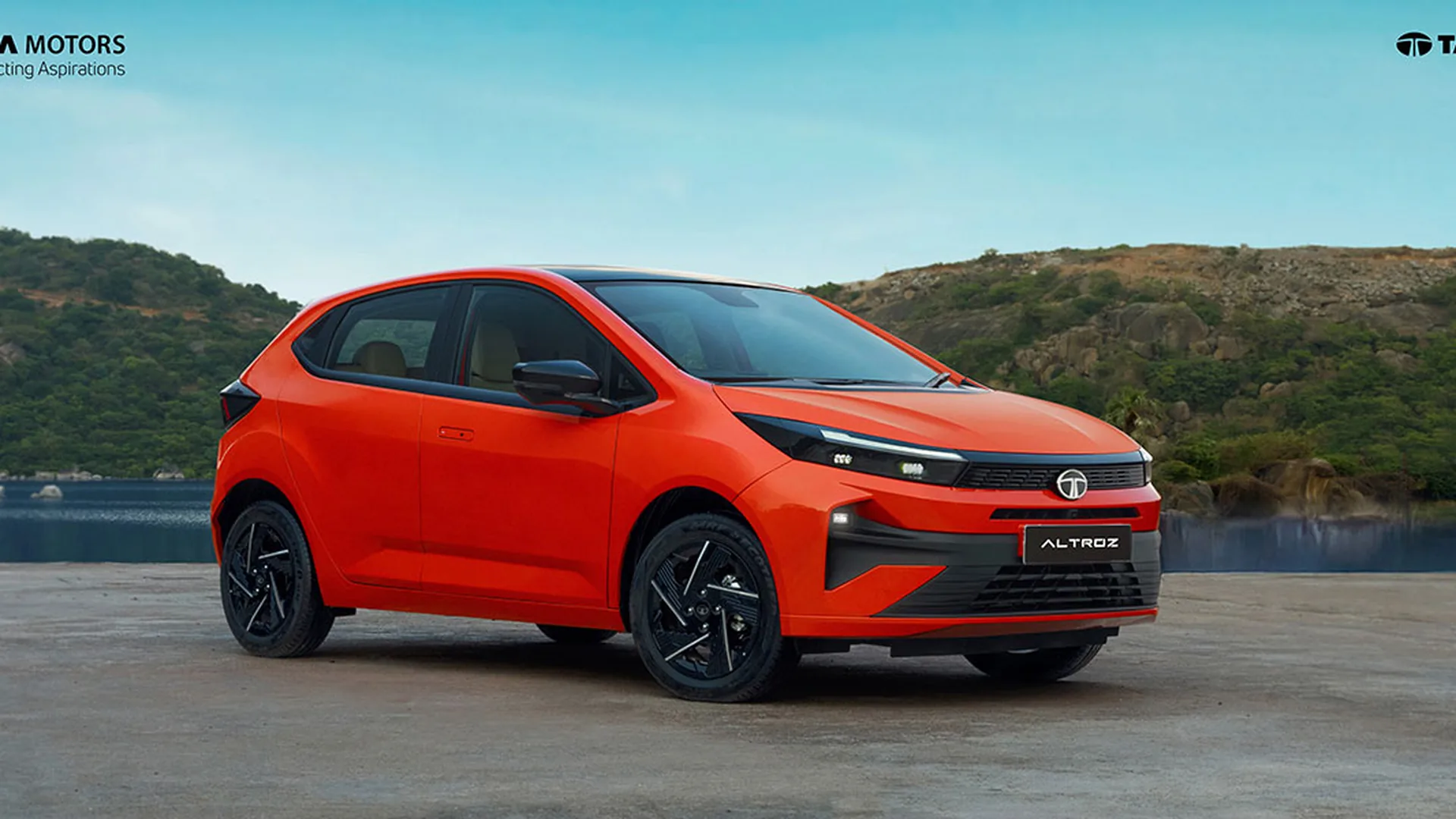
The 2025 Altroz facelift is the most assertive design in the segment. Dual LED projector headlamps with cornering function, connected full-LED tail lamps and flush door handles give it a presence you normally find a segment above. MotorBeam's reviewer stated the Altroz looks more premium and aerodynamic, and personally preferred it over the Baleno. 8.5 / 10 |
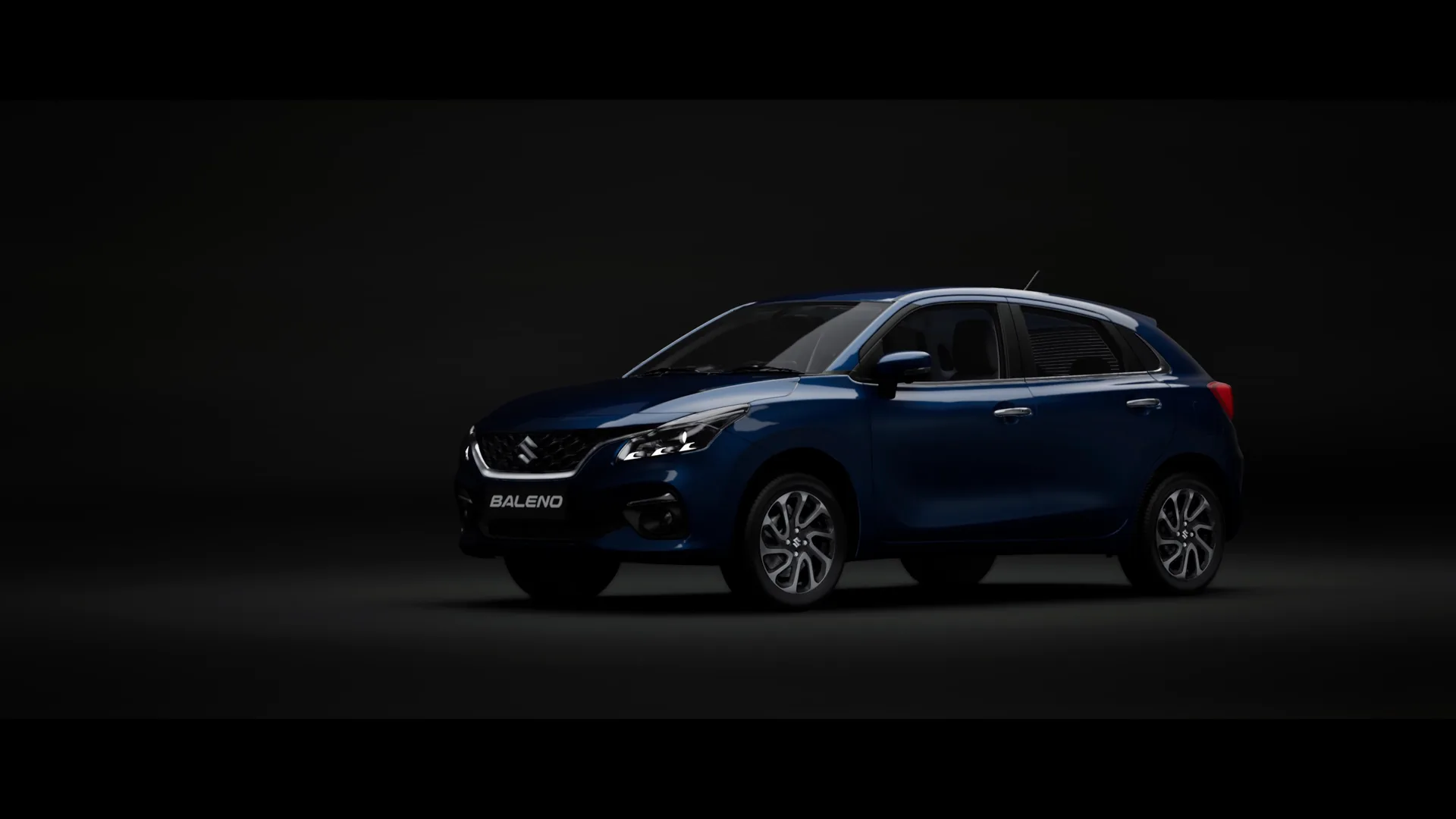
The facelifted Baleno adds ice-cube DRLs, LED projector headlamps and dual-tone alloys to a familiar liquid-flow silhouette. It looks sharper than before but remains an evolution rather than a reinvention. Biturbo Media noted the design is inoffensive and contemporary, but stops short of the Altroz's sharper street presence. 7.5 / 10 |
Style-conscious urban buyersAltroz reads more distinctly premium at the kerb
|
Interior |
The Altroz cabin finally earns its premium badge: a black-and-beige dashboard with 3D textures, ambient lighting, a 10.25-inch Harman touchscreen and a fully digital cluster lift it clearly above the previous generation. Fit and finish is noticeably better than the Baleno's, as MotorBeam directly observed during the head-to-head. 7.5 / 10 |
The Baleno gets a redesigned dashboard with a blue accent strip, leatherette door inserts and a 9-inch SmartPlay Pro+ touchscreen with wireless connectivity. The Arkamys six-speaker audio system is a genuine improvement. However, the overall material quality and cabin atmosphere still feel a step behind the Altroz in premium perception. 7.0 / 10 |
Tech-focused first-time buyersAltroz delivers a more premium cabin feel and larger screen
|
Performance |
The Altroz's strength here is breadth, not peak output. The 1.5L diesel with 200 Nm is the enthusiast and highway pick, while the 6-speed DCT petrol adds a genuinely engaging gearbox to the lineup. The 1.2L NA petrol is adequate for the city but Namaste Car confirmed its three-cylinder refinement lags the competition. 6.8 / 10 |
The Baleno's 90 PS K12N four-cylinder is the most powerful NA petrol in the segment and, crucially, the smoothest. NVH at idle and in the mid-range is a clear strength that Gagan Choudhary highlighted as a standout quality. For a buyer who only needs petrol, the Baleno's engine simply feels better to use every day. 7.5 / 10 |
Petrol-only city commutersBaleno's four-cylinder refinement wins for daily petrol use
|
Ride Quality |
The Altroz's suspension tune is the benchmark in this segment. It absorbs sharp Mumbai potholes and broken tarmac with composure that reviewers including MotorOctane and Biturbo Media consistently rate at the top of the class. Taller sidewalls on its tyres contribute meaningfully to this advantage. 8.5 / 10 |
The Baleno rides very well for its weight and price, with a setup that suits the varied road quality of Indian cities and highways. It scores 8.0 on ride quality in the jury assessment. But against the Altroz, it is the clear second, particularly over sharp urban imperfections where the Altroz's suspension filters more effectively. 8.0 / 10 |
Potholed city road usersAltroz is the segment's ride quality benchmark
|
Build Quality |
The Altroz carries a 5-star Global NCAP rating and a body shell MotorBeam described as remaining structurally intact even in a crash. Door thud, panel gaps and overall solidity communicate a car built with safety as a structural priority, not an afterthought. 7.5 / 10 |
The 2025 Baleno has not been crash-tested by Global NCAP. The previous generation scored two stars in the 2021 Latin NCAP test, which remains a shadow over the nameplate. Maruti claims structural improvements in the facelift, but without a fresh rating, buyers who prioritise documented crash safety will hesitate. 7.0 / 10 |
Safety-first family buyersAltroz's 5-star rating is documented and current
|
Value for Money |
The Altroz justifies its price with a premium cabin, 5-star safety, class-best ride and a diesel option no rival offers. But Tata's service costs and ownership expenses run higher than Maruti's, and resale values trail. The value case is strong at purchase, less so at resale. 7.5 / 10 |
The Baleno's value argument is lifetime-total, not sticker-price. Lower service costs, wider network coverage, strong resale and a refined petrol engine mean the total cost of ownership over five years is lower for most buyers. Arun Panwar noted this practical ownership equation consistently works in the Baleno's favour. 8.0 / 10 |
Total cost of ownership buyersBaleno wins on five-year cost of ownership
|
Practicality |
The Altroz has a larger boot than the Baleno and strong front-seat space, but the rear bench is its clear weakness. Taller adults find headroom and legroom genuinely snug on longer journeys. For a family that regularly carries four or five adults, this is a real constraint to experience before buying. |
The Baleno's longer wheelbase directly benefits rear passengers with more knee room and a more accommodating bench for three adults. Combined with good visibility and light controls, it earns its reputation as the most practical daily hatchback in this segment. Families who road-trip regularly will feel the difference within the first hour. |
Families with rear-seat passengersBaleno's wheelbase gives rear occupants a real advantage
|
The Altroz scores 8.0/10 and the Baleno 7.2/10, from 9 independent creators. The overall number is only part of the story here: the dimension breakdown is where the real comparison lives.
MotorBeam: Tata Altroz vs Maruti Baleno Comparison Review - Best Premium Hatchback? | MotorBeam