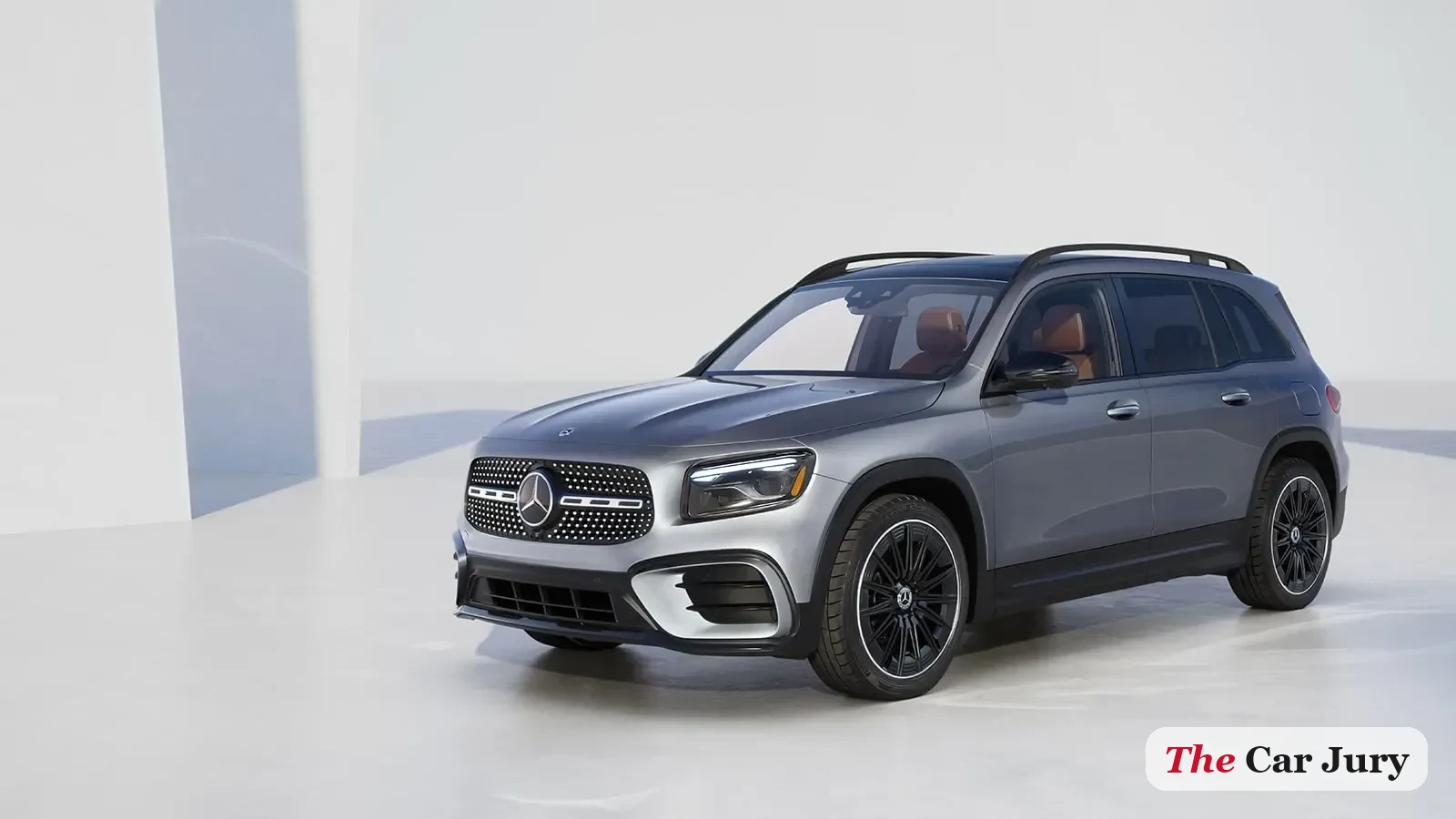
Mercedes Workers Rally Against Cost Cuts: What It Means for Indian Buyers
Thousands of Mercedes-Benz workers demonstrated outside factories across Germany on Friday, protesting the carmaker's austerity drive. Organised by the IG Metall union, the rallies stretched from Sindelfingen near Stuttgart to Bremen in the north, and are expected to trigger a broader wave of protests across a German auto industry battered by Chinese competition, US tariffs and weak demand.
What was announced
Mercedes-Benz workers rallied outside multiple plants in Germany on Friday, from Sindelfingen outside Stuttgart to Bremen in the north, organised jointly with the IG Metall union. The demonstrations opposed the carmaker's newly announced savings drive, which management has justified on the grounds that "structural costs in Germany, particularly labour costs, are not competitive by international standards".
Germany's cost crisis will quietly reshape what a Mercedes costs in Mumbai; locally-built SUVs stay competitive, CBU flagships get more expensive.
The action is expected to be the first in a wider wave of protests across Germany's auto industry. German carmakers, including Volkswagen, are simultaneously grappling with intensifying Chinese competition in both Europe and China, tariffs imposed by the United States, and weakening demand in several key export markets. Several manufacturers have announced job cuts, plant reviews and other austerity measures over the last year.
Mercedes has not disclosed a headline figure for the current cost programme, but the company's public position frames labour costs at German sites as the central problem. IG Metall's counter-argument, reflected in Friday's turnout, is that workers should not absorb the pain of a downturn driven by strategic missteps in China and a delayed electric transition. The protests are political as much as industrial: they set the negotiating tone for pay talks and restructuring across BMW, Audi parent Volkswagen and the wider supplier base later this year.
The Car Jury verdict
The German premium industry's cost problem is now India's opportunity. As Biturbo Media notes, "India is definitely a big car market, but the luxury car market is quite small in India, and even there, the German trio of Mercedes, BMW, and Audi have been ruling the roost." That grip is built on volume-agnostic pricing that a shrinking, expensive German cost base can no longer sustain.
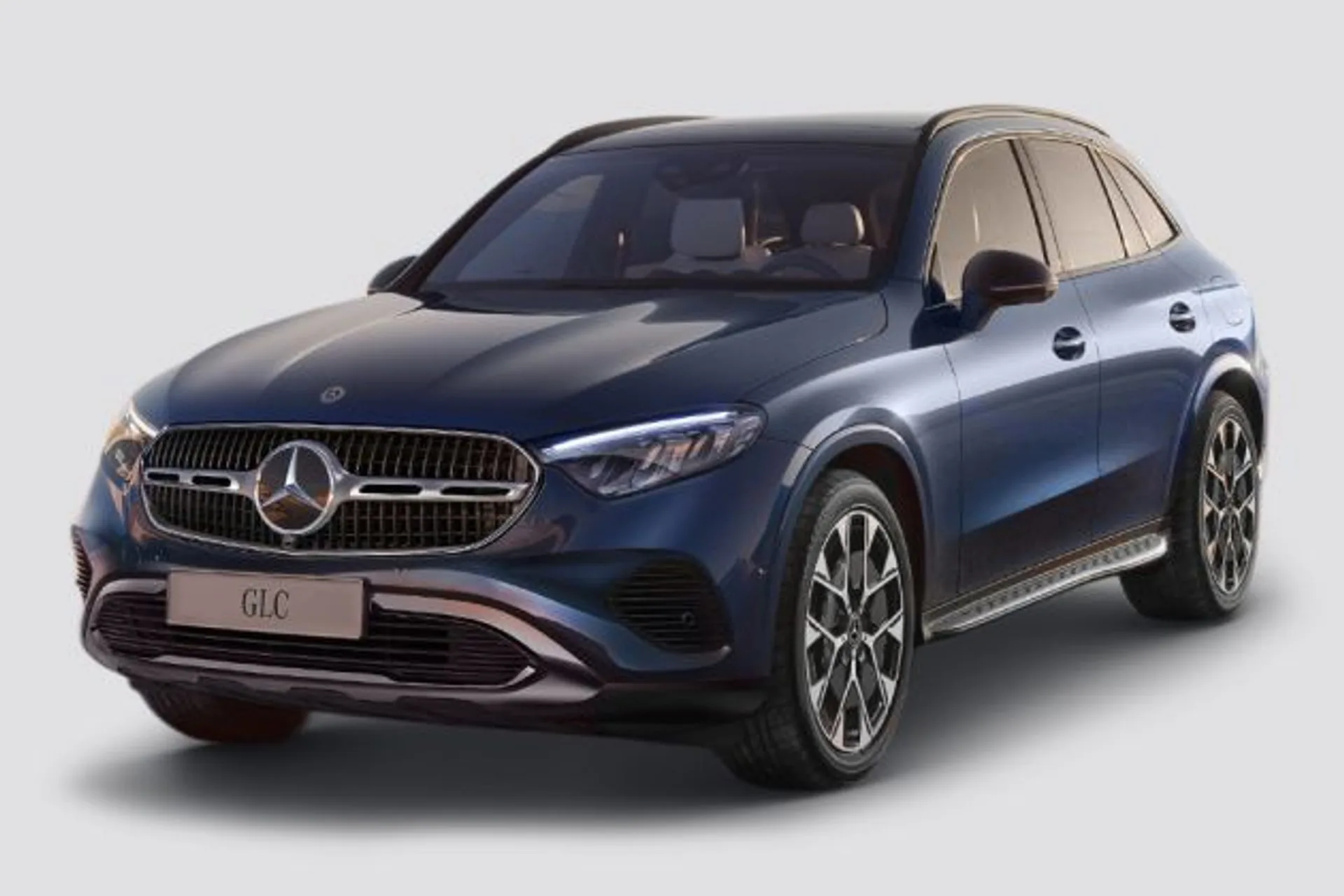
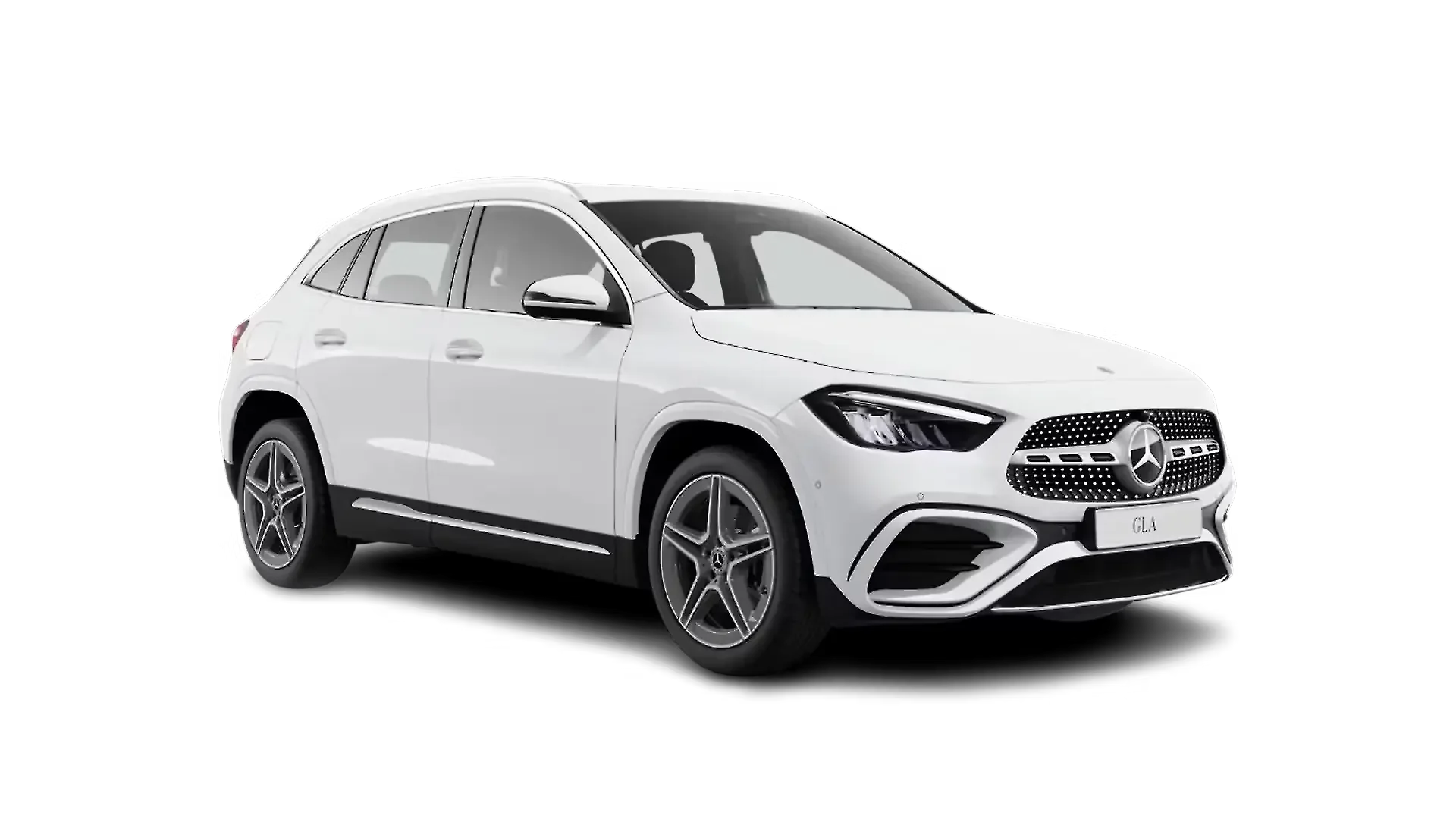
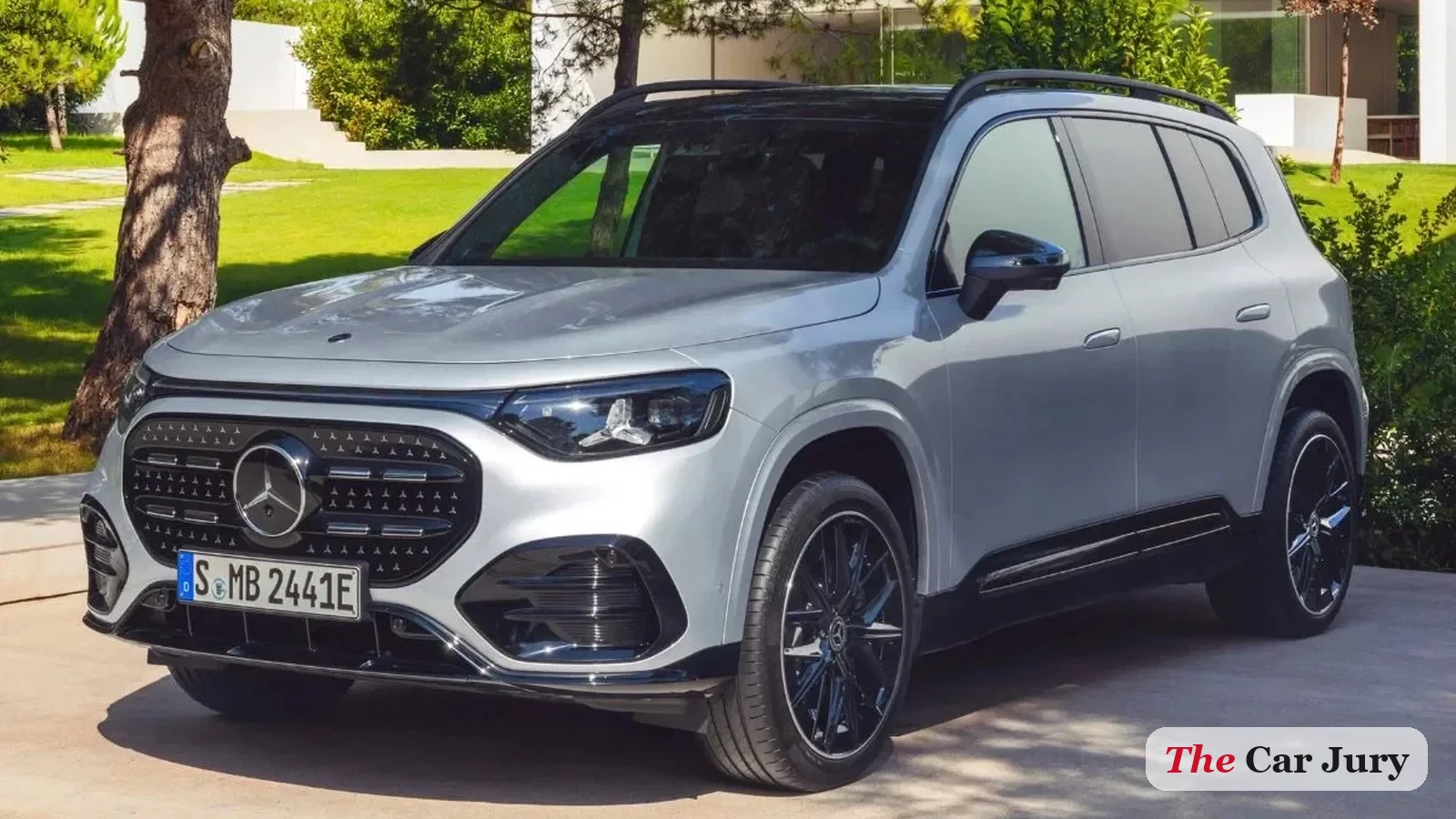
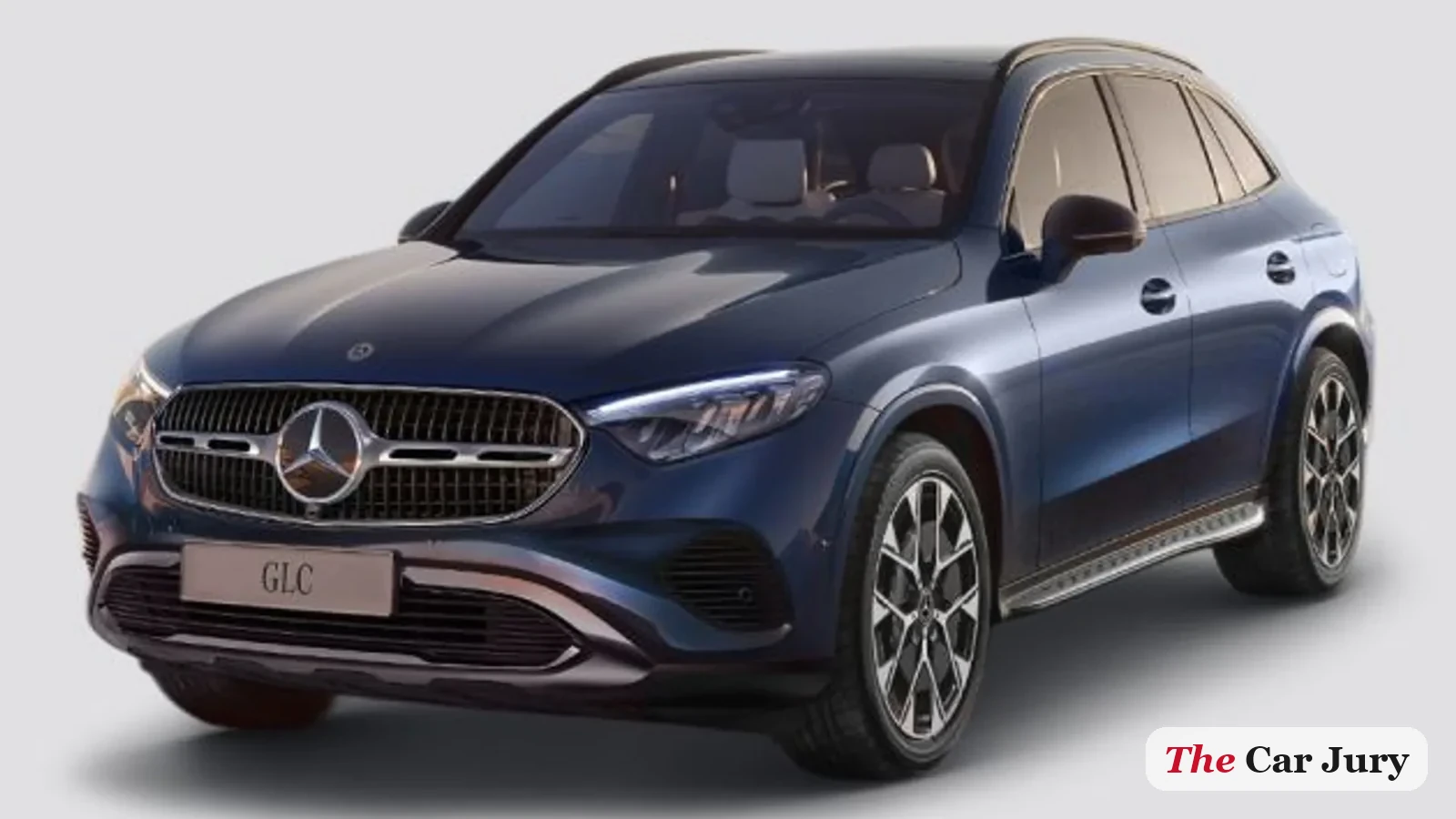
Expect two outcomes for Indian buyers. Localised production at Chakan will get more strategic weight, meaning steadier supply on the GLC, GLA and GLB. But CBU imports, especially the S-Class plug-in hybrid Rachit Hirani of MotorOctane flagged as an interesting arrival, will get pricier as Mercedes claws back margin. If you were eyeing a locally-assembled Mercedes SUV, buy this year; if you want a CBU flagship, negotiate hard.