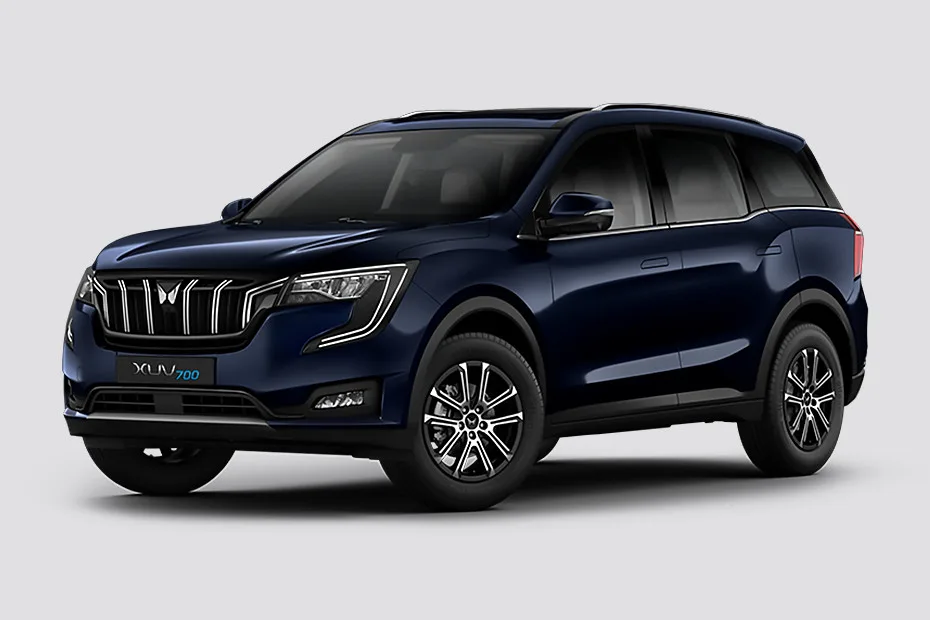
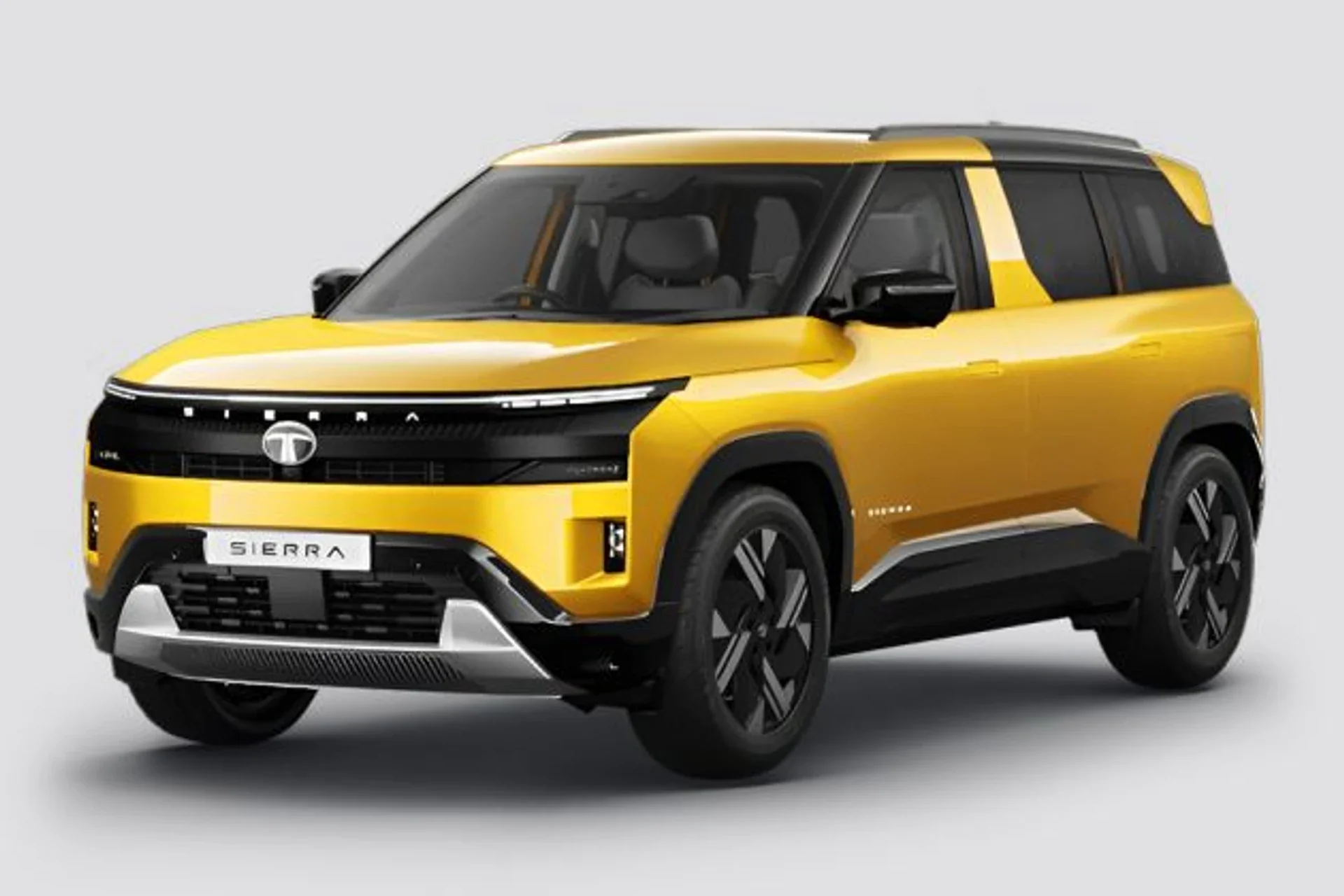
Tata Sierra vs
Mahindra XUV700
Choose between Tata's boldest design statement and Mahindra's most proven all-rounder.
Most buyers decide here. Read this before anything else.
- You drive solo or with one other adult most days and want the most visually striking car in your apartment complex's parking lot.
- You have two kids and prioritise rear legroom so generous that even tall teenagers sit without complaint on long expressway runs.
- You are a first-time Tata buyer who has followed the brand's quality trajectory and trusts it has levelled up with this generation.
- You value cabin technology and want a triple-screen setup with a passenger display that genuinely impresses guests.
- You do mostly city and highway driving and want a refined, quiet turbo petrol that does not need diesel-level planning.
- You are comfortable waiting six to twelve months after launch to let early production batches settle before taking delivery.
- You regularly carry five to seven people, including adults in the third row, and need that space to work without apology.
- You cover 2,000 km a month and want a diesel automatic that returns real-world efficiency and a 20,000 km oil-change interval.
- You live in a city where resale value is a financial decision, not just a preference, and you cannot afford a steep depreciation curve.
- You want AWD capability for occasional mountain or monsoon driving without moving to a body-on-frame SUV.
- You have owned a car for over four years and know how costly unplanned service visits are, making the XUV700's proven reliability record the deciding factor.
- You want a car today, not in six months, and need confidence that the unit rolling off the line has been stress-tested by thousands of owners already.
The Sierra scores 8.0/10, the XUV700 8.1/10. In real life, they are built for different people.
The Sierra's 2737mm wheelbase means rear passengers stretch out in genuine comfort, and its ride composure on smooth expressways draws consistent praise from reviewers. The XUV700 matches this on ride quality while adding a third row for larger families and a diesel engine that stops for fuel far less often. Faisal Khan noted the XUV700's diesel automatic feels effortlessly long-legged on highway stretches.
The XUV700 is the only car here that offers an all-wheel-drive diesel automatic, a combination that genuinely changes what is possible on wet ghats or loose forest roads. The Sierra arrives in petrol-only form and does not offer AWD in its current lineup. For buyers who treat mountains as regular weekends rather than occasional detours, this gap is decisive.
The XUV700 holds a well-documented resale position in the Indian used-car market, backed by high demand and a wide service network. The Sierra is too new for any used-car data to exist, and Tata's historical resale performance sits below Mahindra's in this segment. MotorOctane's long-term XUV700 report found the interiors held up well even after rough use, which supports its second-owner appeal.
The Sierra's boxy silhouette, high-set bonnet, blacked-out pillars, and connected LED DRLs produce a road presence that no other monocoque SUV in India currently matches. The XUV700's 2025 updates are evolutionary rather than transformative, and multiple reviewers note the Sierra has visually leapfrogged it. PowerDrift described the Sierra's design as the most distinctive thing on Indian roads at this price point.
Scores shown inline. "Best for" tells you who each result matters to.
| Axis | Tata Sierra | Mahindra XUV700 | Best for |
|---|---|---|---|
Design |
The Sierra's proportions are genuinely unlike anything else in the segment. Its clamshell bonnet, blacked-out B and C pillars, and connected LED DRL bar create a presence that turns heads in traffic. PowerDrift called it the most distinctive monocoque SUV Tata has ever produced. 8.5 / 10 |
The XUV700 looks authoritative and well-proportioned at 4.7 metres, but the 2025 Napoli Black edition and dual-tone roof options are incremental additions. Faisal Khan noted that the Sierra's arrival has visually dated the XUV700's front end in a way the previous crop of rivals never managed. 7.5 / 10 |
Style-first buyersSierra commands attention the XUV700 no longer does
|
Interior |
Three screens, layered materials including soft-touch surfaces and brushed aluminium, and class-leading rear legroom mark a generational leap for Tata. Gagan Choudhary actually prefers the Accomplished variant's AR head-up display over the passenger screen on the top trim. 8.0 / 10 |
The twin 10.25-inch screens remain competitive, and the top variant now adds a passenger display. Gagan Choudhary points out the bronze, tan, and dark grey dashboard combinations look slightly busy, and material quality, while good, does not feel as layered as the Sierra's. 7.5 / 10 |
Tech-forward familiesSierra's triple-screen cabin feels newer and more spacious
|
Build & Safety |
The Sierra is built on Tata's new monocoque platform with high-strength steel and arrives with a strong safety brief, but pre-production fit-finish inconsistencies have been flagged by multiple reviewers. NCAP results for this specific generation are not yet published at time of writing. 8.4 / 10 |
The XUV700 carries a proven five-star Global NCAP rating and seven airbags as standard on higher trims. MotorOctane's 40,000 km long-term test returned zero mechanical failures, giving the XUV700 a real-world build integrity story the Sierra simply cannot match yet. 8.8 / 10 |
Safety-conscious buyersXUV700 has five-star proof and 40,000 km of real evidence
|
Performance |
The 1.5L turbo-petrol GDI is refined and quiet, a clear improvement over anything Tata has offered before in this class. Reviewers praise its in-gear pull on highways, though outright performance figures place it in line with class expectations rather than above them. 7.5 / 10 |
Five powertrain choices including a 2.0L turbo petrol and a 2.2L diesel in both manual and automatic guises give the XUV700 genuine flexibility. The diesel automatic is particularly praised for effortless overtaking torque, and the AWD variant adds a performance dimension the Sierra cannot access. 8.0 / 10 |
Performance-focused buyersXUV700 offers more engine options and higher peak outputs
|
Ride Quality |
The Sierra rides with composure that surprises reviewers given its tall stance. Its long wheelbase absorbs broken surfaces well, and highway ride quality is consistently rated as one of its strongest attributes. AutoYogi noted it feels planted on expressways without transmitting harshness into the cabin. 7.8 / 10 |
The 2025 XUV700 benefits from updated suspension tuning and rides confidently across all road types. It absorbs sharp edges more predictably than its predecessor, and the diesel's extra weight helps settle the car at speed. Ride quality is a genuine strength across the XUV700 range. 8.0 / 10 |
All-road familiesMarginal tie, XUV700 edges out on rough surfaces
|
Value for Money |
The Sierra's feature-per-rupee equation is strong on paper, but value judgements on a brand-new model carry inherent risk. Fit-finish concerns and an unproven reliability record mean the sticker price does not tell the full ownership cost story yet. 7.5 / 10 |
The XUV700 spans a wide 16 to 33 lakh on-road bracket and delivers proven long-term value. Service costs under Rs 35,000 over 40,000 km and a 20,000 km oil-change interval, as reported by MotorOctane, make the total cost of ownership argument strongly in its favour. 8.0 / 10 |
Total-cost buyersXUV700's ownership costs are documented, Sierra's are not yet
|
Practicality |
The Sierra offers the widest rear seat in the segment for a five-seater, with shoulder room and legroom that outmeasures every monocoque rival. Boot space is generous, and rear door apertures are large. It is a five-seat car with no third-row option. |
The XUV700 in AX7L trim seats seven adults with a mechanically folding third row that works for shorter trips. Combined with 200mm of ground clearance, a large boot in five-seat mode, and a wide service network, it handles more varied family logistics than the Sierra can. |
Large familiesXUV700 is the only option if seven seats matter regularly
|
The Sierra scores 8.0/10 and the XUV700 8.1/10, from 7 independent creators. The overall number is only part of the story here: the dimension breakdown is where the real comparison lives.